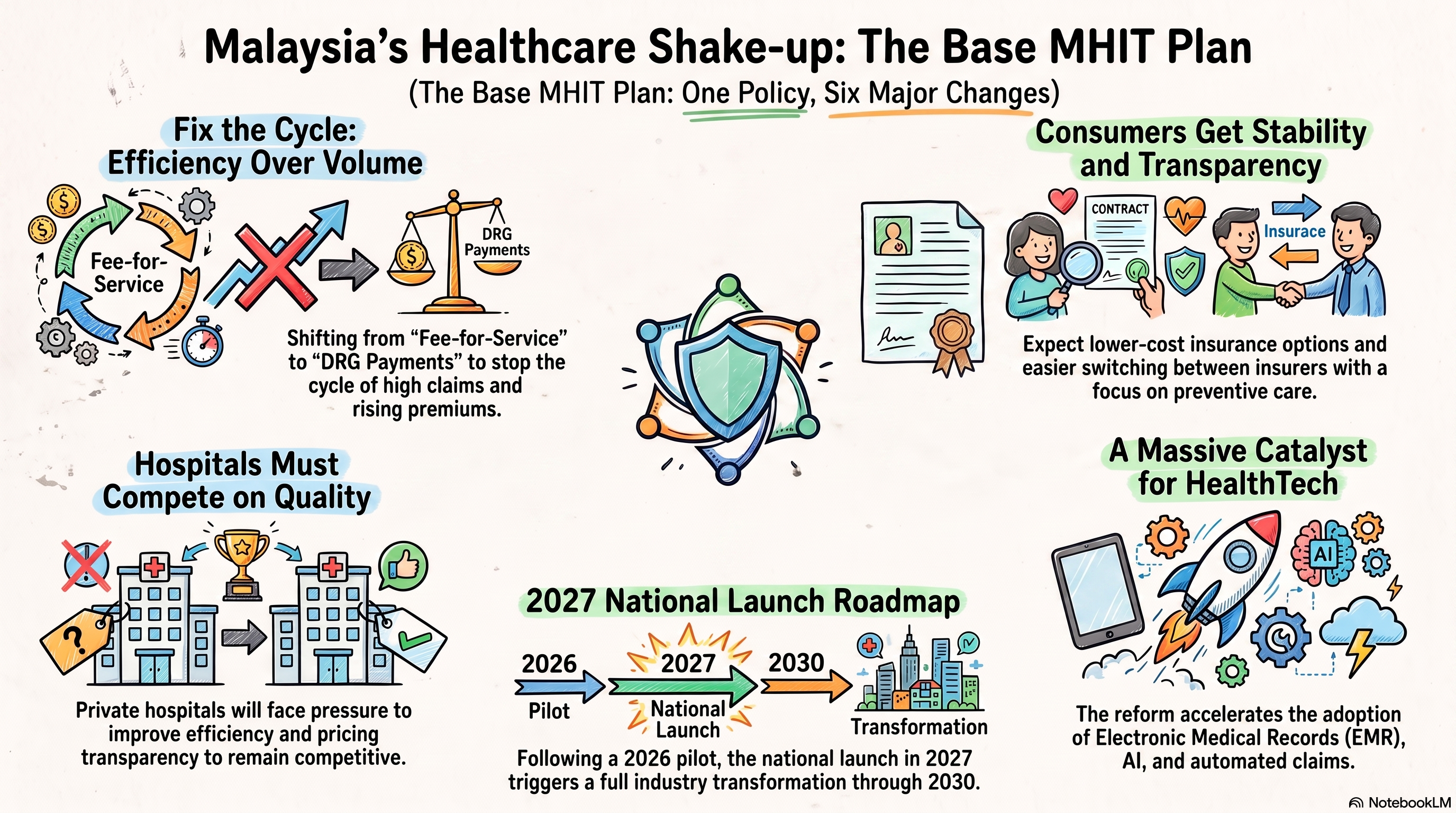
Malaysia is embarking on one of the most significant healthcare reforms in decades with the introduction of the Base Medical and Health Insurance/Takaful (MHIT) Plan. Jointly developed by the Ministry of Health (MOH), Ministry of Finance (MOF) and Bank Negara Malaysia (BNM) under the RESET Strategy, the initiative aims to address rising medical inflation, stabilise insurance premiums, improve access to affordable private healthcare, and create a more sustainable healthcare financing system. The Base MHIT Plan will undergo a pilot implementation in the second half of 2026 before its nationwide launch in early 2027.
This is far more than the launch of a new insurance product. It is a structural reform designed to change the incentives across the entire private healthcare ecosystem. Instead of simply helping consumers pay medical bills, the reform seeks to influence how insurers price policies, how hospitals charge for treatment, how doctors deliver care, and how patients make healthcare decisions. Ultimately, the government's objective is to slow medical inflation while ensuring Malaysians continue to have access to quality private healthcare without placing unsustainable financial pressure on households or the public healthcare system.
1. Why Malaysia Is Resetting Private Medical Insurance
Malaysia's private healthcare system has expanded significantly over the past decade, but the financing model has become increasingly unsustainable. While private healthcare offers faster access and greater choice, the cost of treatment has risen much faster than household incomes, driving repeated increases in medical insurance premiums. Many Malaysians are finding themselves priced out of private healthcare coverage, forcing them back into the already stretched public healthcare system.
The numbers illustrate the scale of the problem. According to the White Paper, 49% of Malaysia's healthcare expenditure comes from private sources, yet 39% is funded directly through out-of-pocket spending by households, while medical insurance contributes less than 8% of total healthcare expenditure. This means Malaysians are paying a disproportionately large share of medical expenses directly from their own pockets rather than through pooled insurance protection.
Medical insurance affordability has also deteriorated sharply. Between 2021 and 2024, insurers resumed premium adjustments that had been paused during the COVID-19 pandemic, with many policyholders experiencing premium increases of 20% to 40% or more. Between January 2024 and June 2025 alone, around 340,000 medical insurance policies were surrendered because policyholders could no longer afford the premiums.
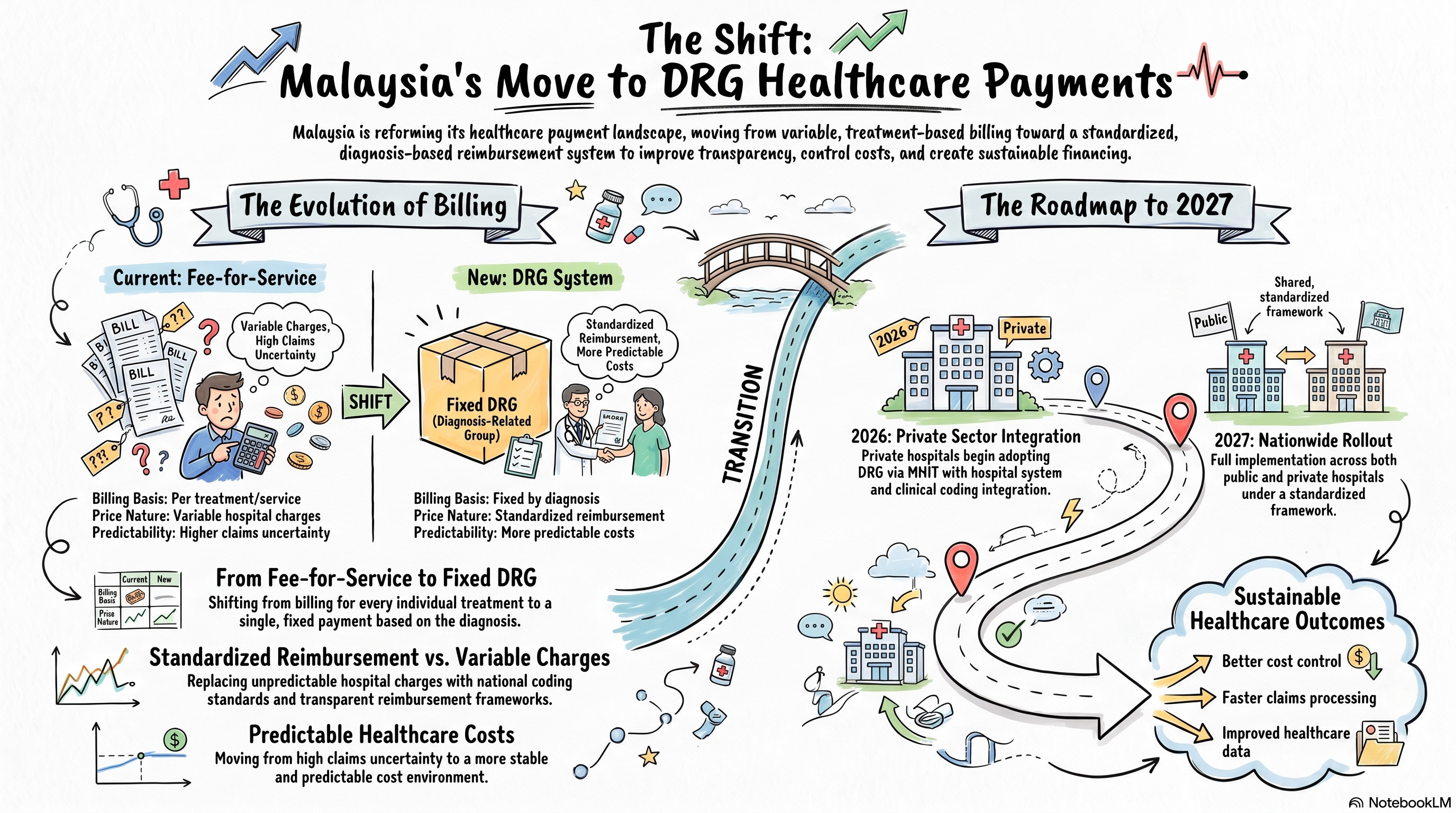
Another structural problem lies in how private healthcare providers are paid. Under today's fee-for-service model, hospitals and healthcare providers generate more revenue by performing more procedures, admitting patients for longer periods and ordering additional tests. The system rewards volume rather than efficiency or health outcomes, contributing to rising medical costs throughout the industry.
The result is a vicious cycle. Rising treatment costs lead to higher insurance claims, which result in higher premiums. Higher premiums cause consumers to cancel insurance coverage, forcing more patients into public hospitals. This increases pressure on public healthcare while private healthcare continues becoming more expensive.
To address these issues, the government introduced the RESET Strategy, built around Five Strategic Thrusts and Eleven Initiatives, including developing the Base MHIT Plan, improving price transparency, strengthening digital health infrastructure, expanding affordable healthcare options and replacing fee-for-service payments with Diagnosis-Related Group (DRG) payments. The Base MHIT Plan is the centrepiece of this broader reform agenda.
The implementation timeline is:
Pilot programme: Second half of 2026
Nationwide launch: Early 2027
Participation remains voluntary for consumers, but the reforms introduce significant structural changes for insurers and private hospitals.
2. What Is the Base MHIT Plan and How Does It Work?
The Base MHIT Plan is a standardised medical insurance product designed to provide meaningful healthcare protection while keeping premiums affordable and sustainable.
The plan primarily targets two groups of Malaysians. The first group consists of uninsured middle-income individuals who can afford basic medical protection but have not purchased insurance. The second group includes existing policyholders who have seen their premiums increase to unaffordable levels and need a lower-cost alternative without losing medical coverage. Entry into the plan is allowed up to 70 years old, while coverage continues until 85 years old.
Coverage includes most major private hospital services such as hospital room and board, surgery, intensive care, anaesthetist fees, specialist consultations, hospital medications, ambulance services, operating theatre charges, day surgery, diagnostic investigations, and immediate pre- and post-hospitalisation care. The plan also includes selected high-cost outpatient medications for serious illnesses such as cancer, as well as outpatient treatment for conditions including dengue, influenza, bronchitis and pneumonia where hospital admission is not clinically necessary. Optional wellness and preventive healthcare packages covering health screenings and vaccinations will also be offered separately at negotiated rates.
The Base MHIT Plan is specifically designed around the pricing structure of lower- and mid-tier private hospitals. It is not intended to fully fund treatment at premium private hospitals or cover exceptionally rare and ultra-expensive medical conditions. Those cases are expected to continue relying partly on Malaysia's public healthcare system, reinforcing the complementary relationship between public and private healthcare.
Coverage limits are intentionally designed to balance affordability with meaningful protection:
Plan | Annual Coverage |
|---|---|
Standard Plan | RM100,000 |
Age Above 60 | RM150,000 |
Standard-Plus Plan | RM300,000 (subject to deductible) |
The White Paper explains that historical claims data indicate RM100,000 would cover approximately 99% of treatment episodes, making higher limits unnecessary for most policyholders while preventing premium inflation driven by excessive coverage. Consumers seeking protection primarily against catastrophic medical expenses may choose the Standard-Plus Plan, which offers higher annual limits but requires deductibles between RM10,000 and RM15,000 before insurance benefits apply.
Unlike most current medical insurance products, the Base MHIT Plan will not be investment-linked. It will operate purely as a standalone protection plan, reducing product complexity and avoiding situations where medical coverage depends on investment account performance. It is also not a social insurance programme. Participation remains voluntary, and premiums are paid by individuals, although EPF contributors may choose to pay premiums using their Account Sejahtera savings.
Premiums remain risk-rated based on age, gender and health status, but the system introduces broader risk pooling, limits excessive premium differences between age groups and caps health-related premium loadings. Indicative monthly premiums are:
Age | Standard Plan | Standard-Plus |
|---|---|---|
31–35 | RM80–120 | RM50–70 |
61–65 | RM280–350 | RM220–280 |
Above 75 | RM500–780 | RM400–660 |
These premiums remain subject to future review based on medical inflation and claims experience.
3. How the Base MHIT Plan Changes Malaysia's Healthcare System
The most important aspect of the reform is not the insurance product itself but the structural changes taking place behind the scenes.
The Base MHIT Plan enables Malaysia to gradually move away from the traditional fee-for-service payment model towards Diagnosis-Related Group (DRG) payments. Under DRG, hospitals receive predetermined payments based on a patient's diagnosis rather than charging separately for every procedure, investigation or hospital stay. This shifts financial incentives away from maximising treatment volume and towards delivering efficient, high-quality care. Although DRG implementation will be phased in gradually, it represents one of the largest changes to Malaysia's private healthcare financing model.
Hospital behaviour will also change through a differentiated network system. Patients who choose in-network hospitals pay only a deductible of RM500 per disability, increasing to RM1,000 after age 60, with no additional co-payment. Patients choosing out-of-network hospitals pay the same deductible plus a 20% co-payment capped at RM3,000. Hospitals seeking in-network status must demonstrate cost transparency, efficient resource utilisation, appropriate service standards and adequate capacity. This effectively encourages hospitals to compete on efficiency and value rather than reputation alone.
Another major reform is product standardisation. Any insurer or takaful operator wishing to sell medical insurance products must also offer the Base MHIT Plan. This establishes the Base MHIT Plan as the industry's benchmark, requiring higher-tier insurance products to justify additional premiums through genuine additional benefits rather than confusing product design.
Insurance portability also improves significantly. Policyholders will be able to move more easily between insurers, transition from employer-sponsored medical plans to individual coverage, or downgrade from expensive private plans to the Base MHIT Plan while maintaining core protection. This reduces customer lock-in and encourages healthier competition across the insurance industry.
Additional reforms include interoperable Electronic Medical Records (EMR), more consistent underwriting standards for individuals with pre-existing medical conditions, possible introduction of a "no look-back" provision limiting insurers' ability to reject claims after continuous coverage, expanded outpatient care pathways, and standardised claims governance developed jointly by insurers and medical specialists.
4. Impact on Consumers, Insurers, Hospitals and Healthcare Providers
The Base MHIT Plan creates both opportunities and challenges across the healthcare ecosystem.
For consumers, the primary beneficiaries are middle-income households, older policyholders and individuals who previously could not afford private medical insurance. The plan offers more stable premiums, standardised coverage, improved portability and greater transparency. However, consumers expecting unlimited private healthcare at very low premiums may be disappointed, as annual coverage limits and co-payments are deliberate features designed to improve long-term sustainability.
Insurance companies and takaful operators will experience increased competition but also benefit from broader insurance penetration. Larger insurers with strong actuarial capabilities, digital claims systems and operational efficiency are likely to gain market share, while smaller operators relying heavily on opaque product structures or investment-linked medical riders may struggle. The reforms are likely to accelerate consolidation across the industry.
Private hospitals face perhaps the greatest transformation. Efficient mid-tier hospitals embracing transparency, outpatient treatment pathways and DRG payments are likely to become preferred in-network providers, attracting greater patient volumes. Hospitals relying on high prices, unnecessary admissions or excessive procedures may experience increasing pressure on revenue and margins as patients become more price-sensitive.
The reforms also benefit the broader healthcare system. Better coordination between public and private healthcare, reduced duplication of diagnostic tests through EMR integration, expanded outpatient treatment and preventive care, and more disciplined claims management should improve healthcare efficiency nationally.
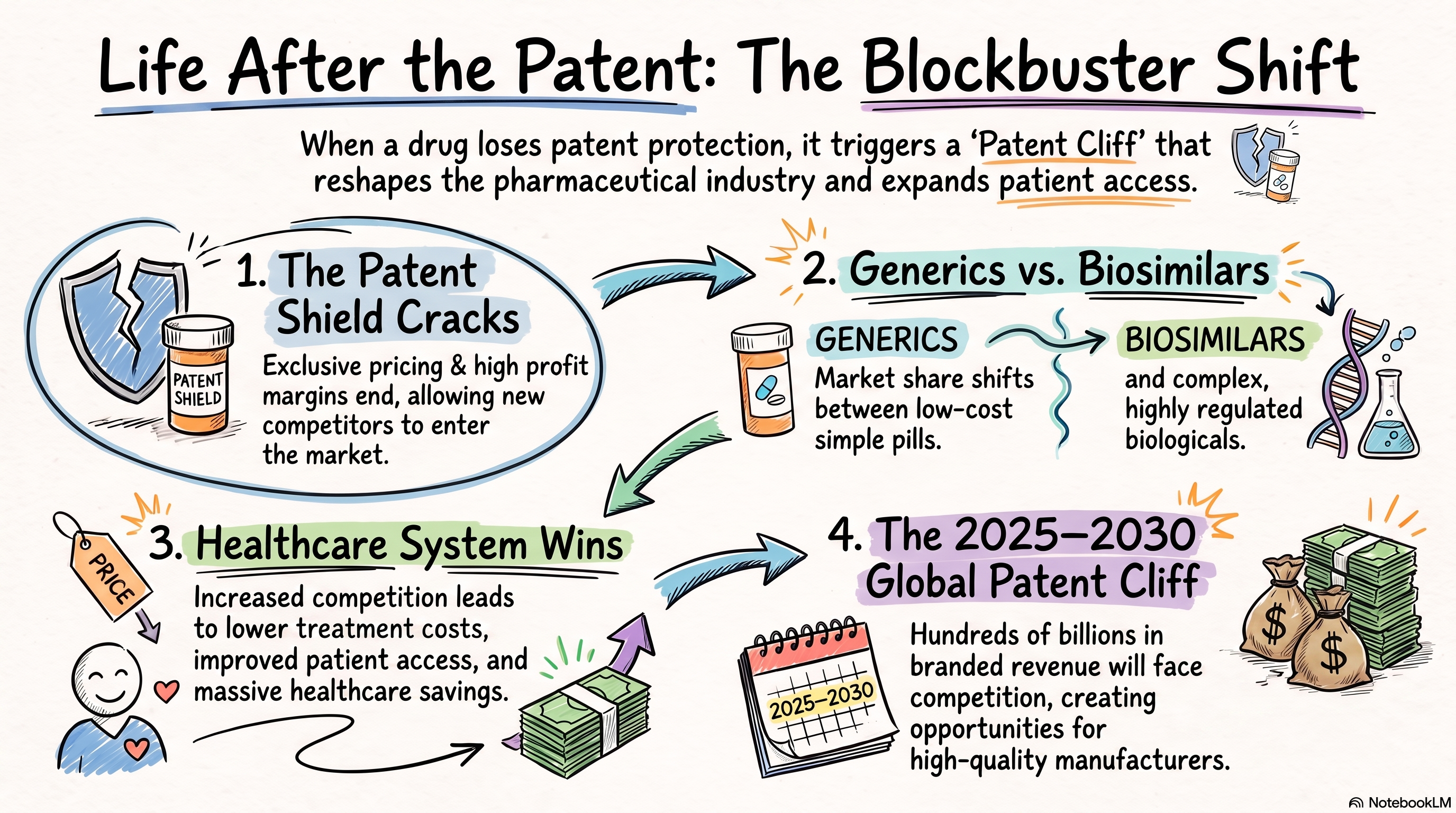
Healthcare technology providers, diagnostic laboratories, AI healthcare companies and electronic medical record vendors stand to benefit from growing demand for digital healthcare infrastructure. Pharmaceutical companies may experience mixed effects, with generic medicine suppliers likely benefiting from stronger cost management while premium-priced drug manufacturers face increasing pricing discipline.
5. Industry Outlook and Investment Signals (2026–2030)
The Base MHIT Plan is expected to reshape Malaysia's healthcare industry over the next three to five years.
Several trends are likely to emerge. Premium growth should become slower and more predictable, although healthcare itself will not necessarily become cheaper overnight. Competition among hospitals to secure in-network status is expected to intensify, while DRG payment models may gradually expand beyond the Base MHIT Plan into other medical insurance products. Insurers are likely to simplify product offerings, with fewer overly complex investment-linked medical riders and greater emphasis on transparent protection products.
Healthcare delivery is also expected to shift towards outpatient treatment, preventive medicine, physiotherapy, home nursing and community-based care rather than hospital admissions. Insurance industry consolidation may accelerate as smaller operators struggle to meet new operational requirements. Over time, the Base MHIT Plan may become the reference benchmark for pricing and product design across Malaysia's private medical insurance market.
From an investment perspective, the strongest long-term opportunities appear in insurance companies with scale, healthcare technology, digital claims platforms, EMR providers, diagnostic services, preventive healthcare and generic pharmaceuticals. Hospital operators capable of adapting to value-based care models may strengthen their competitive positions, while providers dependent on high-cost, fee-for-service business models face increasing pressure.
6. Final Assessment: What the Base MHIT Plan Really Means for Malaysia
The Base MHIT Plan is often misunderstood as an initiative to make private healthcare cheaper. That is not its primary objective.
Instead, it aims to make private healthcare more sustainable, transparent and efficient by correcting distorted incentives that have driven years of medical inflation. Rather than eliminating healthcare costs, it seeks to contain cost growth while preserving access to quality care.
Several common misconceptions deserve clarification:
Common Misconception | Reality |
|---|---|
Private healthcare will become cheap | No. Healthcare costs will continue to rise, but more sustainably. |
Insurance premiums will stop increasing | No. Premiums will still be reviewed periodically based on claims experience and medical inflation. |
Consumers will receive unlimited coverage | No. Annual limits are intentionally designed to balance affordability with meaningful protection. |
Consumers lose freedom to choose hospitals | No. Choice remains, but financial incentives encourage selection of efficient, high-quality providers. |
Hospitals automatically lose revenue | Not necessarily. Efficient hospitals delivering value-based care may gain patient volumes and market share. |
Ultimately, the Base MHIT Plan represents one of the most ambitious structural reforms ever undertaken in Malaysia's private healthcare sector. It is designed to make insurance pricing more honest, healthcare financing more sustainable, hospitals more accountable, and consumers better protected against major medical expenses. If successfully implemented, it could fundamentally reshape Malaysia's healthcare ecosystem over the coming decade, creating a more balanced relationship between public and private healthcare while supporting better long-term health outcomes for Malaysians.