🟦 1. The Event (FACT)
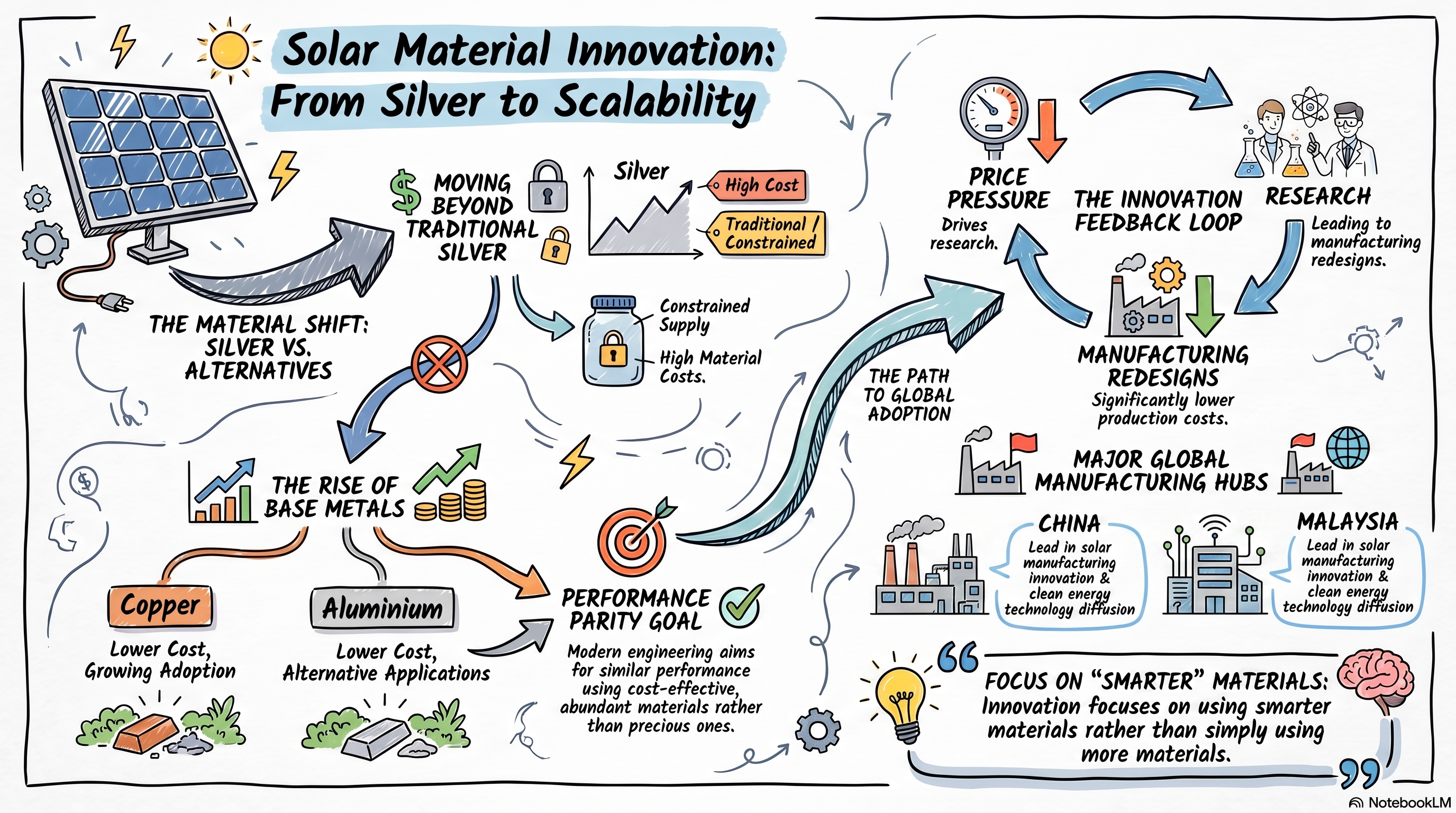
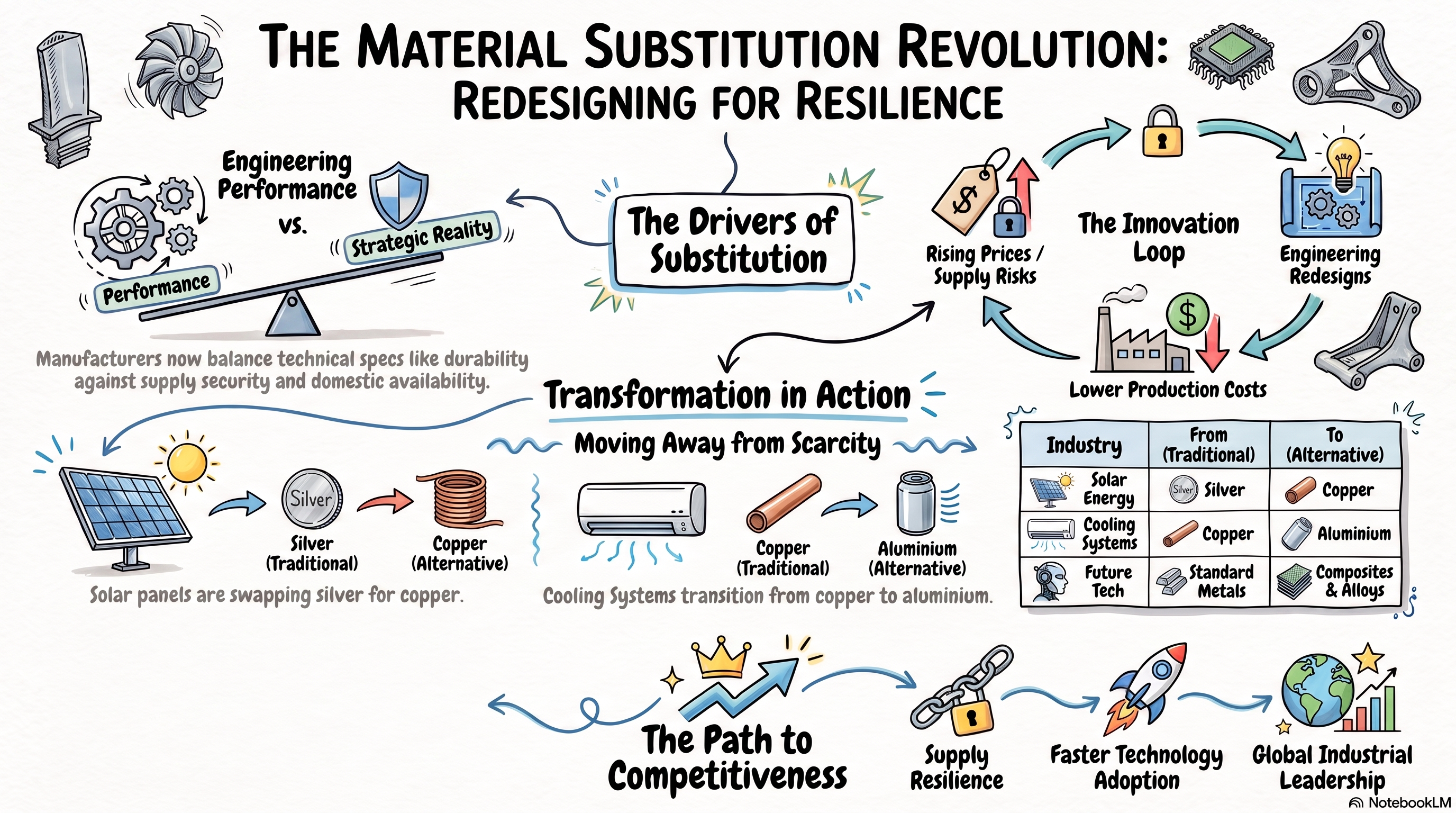
In December 2025, major Chinese air-conditioner brands—including Haier, Midea, Hisense, TCL, Aux, and Xiaomi—signed a self-discipline convention to promote replacing copper with aluminum in air-conditioner components.
The move is driven by rising copper costs, reliance on imports, and growing domestic aluminum production.
🟨 2. Affected Channels (MECHANISM)
Cost: Reduced material cost by substituting copper with cheaper aluminum
Supply: Shift in raw material sourcing from copper to aluminum
Technology/Production: Need for innovation in welding, corrosion resistance, and heat exchanger design
Sentiment: Perception of product quality may influence consumer preference
🟩 3. Malaysia Exposure (WHO)
Exposed sectors: Air-conditioning, HVAC, household appliances, aluminum and copper supply chains
Company types: Malaysian appliance distributors, manufacturers sourcing components from China, copper/aluminum traders
Geographic relevance: Chinese manufacturing hubs with export links to Malaysia
🟧 4. What to Watch (SIGNALS)
Announcements of aluminum-based air-conditioner product launches for domestic and export markets
Changes in raw material procurement patterns (aluminum vs copper) by appliance manufacturers
Updates on manufacturing process innovations and efficiency improvements
Price adjustments for copper vs aluminum air-conditioner models in regional markets
Import/export volumes of aluminum components and finished air conditioners between China and Malaysia
1. Core Insight — What is really happening?
This is not a simple “cost-cutting move”.
It is a forced structural response to three converging pressures:
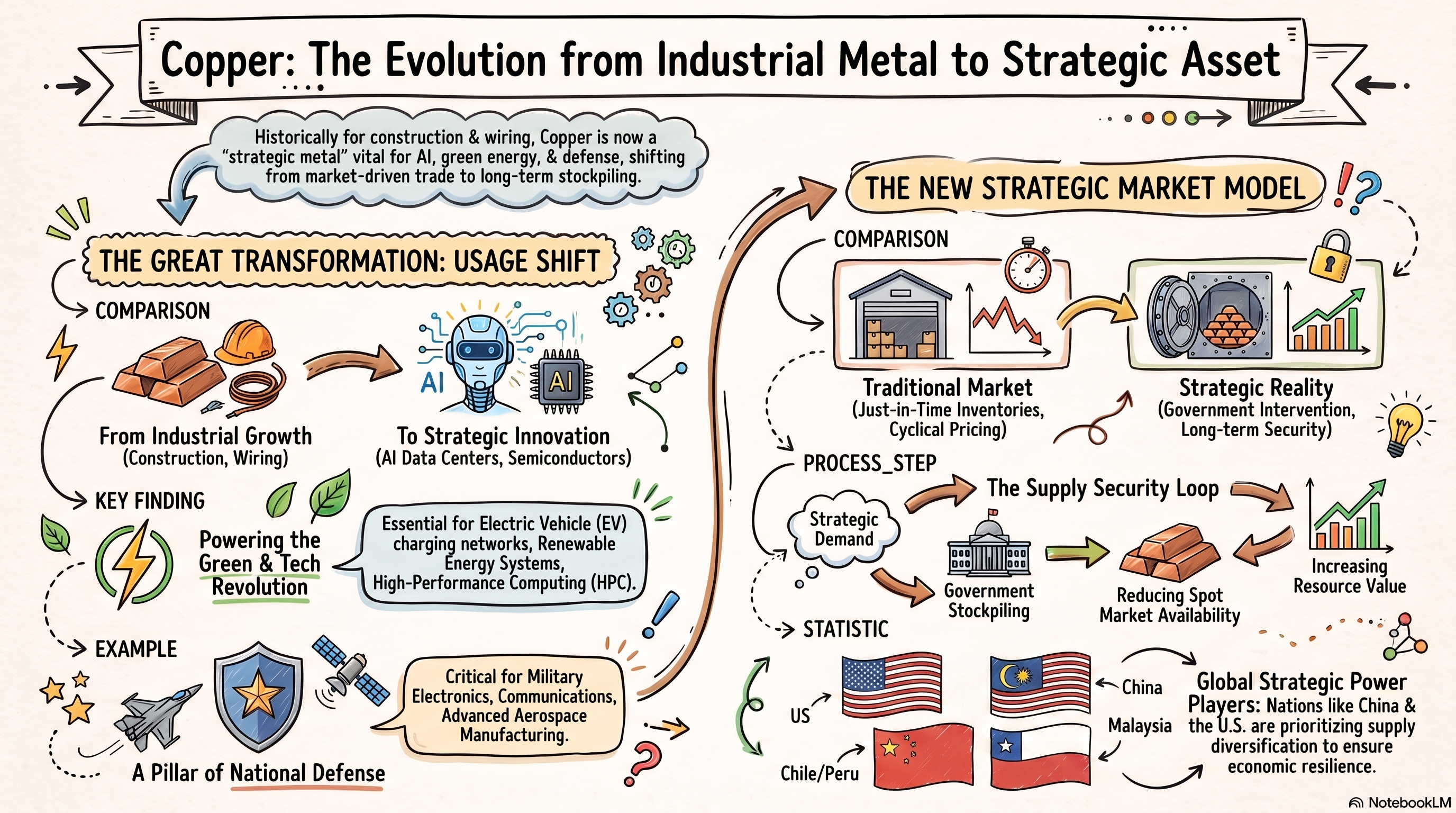
1.1 Copper has become a strategic bottleneck, not just a raw material
Copper is now demanded by:
AI data centres
Power grids
EVs & charging infrastructure
Renewable energy
Chips & advanced electronics
Air conditioners are low on the strategic priority list compared to these sectors.
When copper becomes scarce:
It flows to industries with state backing
Consumer appliances lose the bidding war
1.2 The US copper hoarding changed the game
The US absorbing >60% of global exchange inventories is not normal market behaviour — it is pre-emptive supply control.
Effectively:
Global copper liquidity outside the US collapsed
Prices spiked structurally, not cyclically
China faces supply insecurity, not just price volatility
This makes substitution no longer optional.
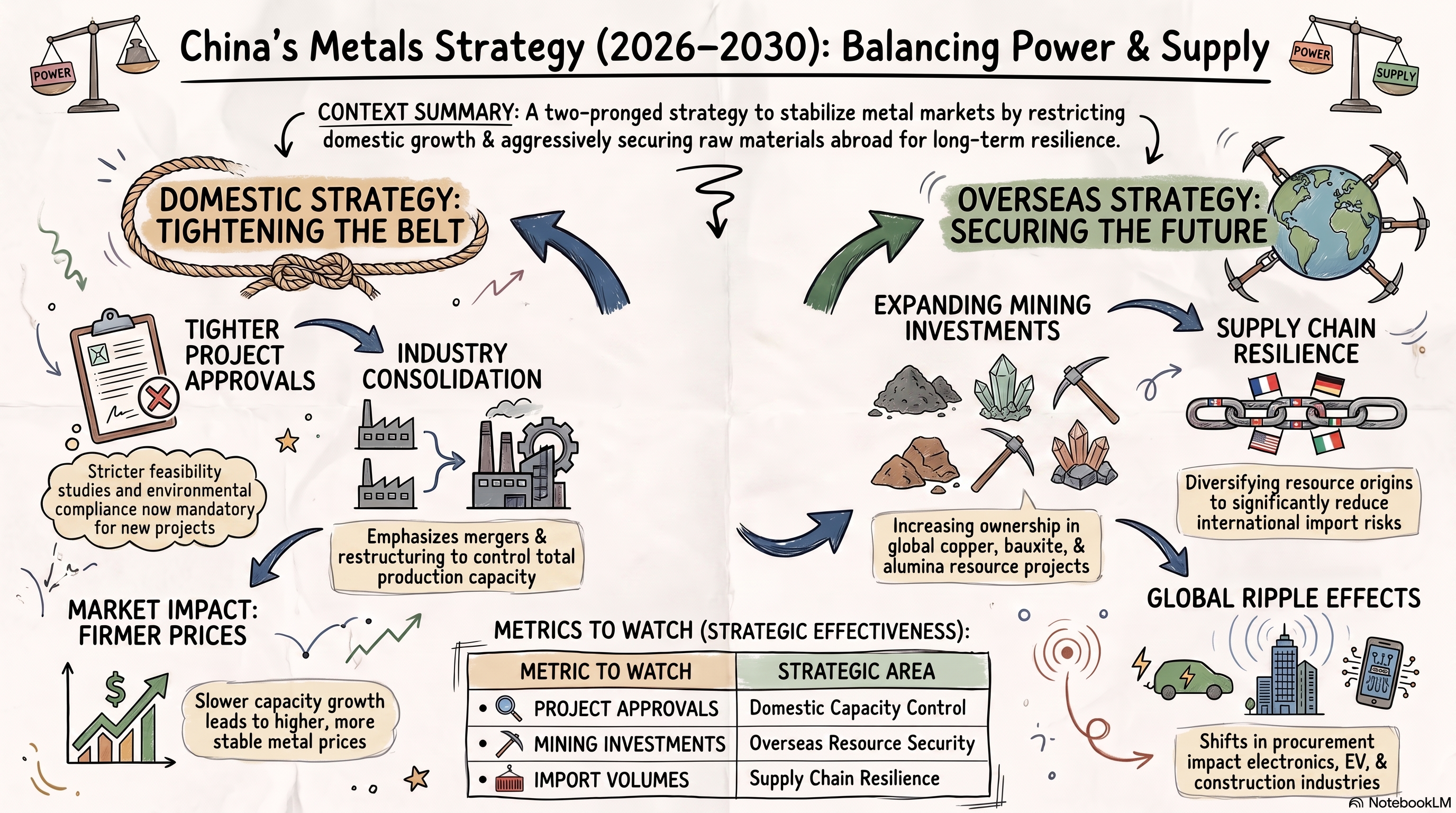
1.3 “Replace copper with aluminum” is industrial policy disguised as tech progress
Yes, manufacturers talk about:
Cost
Innovation
Materials science
But the real driver is:
“We cannot allow a consumer industry to depend on a metal we do not control.”
This mirrors:
China’s rare earth strategy
Semiconductor localisation
Energy self-sufficiency
2. Impact — Who wins, who loses?
2.1 Short-term (1–3 years)
Consumers
Cheaper entry-level air conditioners
Higher failure risk for low-end aluminum implementations
Bigger quality gap between brands
Manufacturers
Margin relief in mass-market models
Sharp increase in R&D and warranty risk
Brand trust becomes more fragile
Copper market
Structural demand erosion in appliances
But more than offset by EV, grid, AI demand
Net effect: still bullish copper
2.2 Medium-term (3–7 years)
Air-conditioning industry
Clear product segmentation:
Aluminum = mass market
Copper = premium / industrial / long-life models
Weak manufacturers get exposed by failure rates
Strong manufacturers widen moat via materials engineering
Aluminum industry
Huge upgrade opportunity
Moves from “cheap substitute” to “engineered material”
Demand shifts from volume → high-spec alloys & composites
2.3 Long-term (structural)
If China succeeds:
Appliance copper demand permanently declines
Copper becomes increasingly strategic & financialised
Aluminum becomes a tech material, not a commodity
If China fails:
Massive reputational damage to domestic brands
Consumer backlash
Export competitiveness suffers
There is no neutral outcome.
3. Interpretation — Read between the lines
3.1 This is not about matching copper performance
That is an unrealistic benchmark.
The real goal is:
“Good enough performance”
At much lower cost
With domestic supply security
Expect:
Thicker aluminum
More complex heat exchanger designs
Composite materials (Al + coatings + alloys)
3.2 The technician criticism is valid — for today
Welding aluminum + copper is a known weak point.
Four-way valves are sensitive.
But:
Industry is betting failures can be engineered down
Warranty costs are seen as acceptable transition pain
This is classic industrial upgrading logic, not consumer-first logic.
3.3 Dong Mingzhu’s stance is strategic positioning
Gree keeping copper is not stubbornness — it is premium differentiation.
She is effectively saying:
“You want durability? Pay for it.”
That positions Gree:
Against price wars
For long-life, commercial, and export segments
4. What Should Investors Do?
4.1 Equity investors — appliances
Be careful with this assumption:
“Lower material cost = higher profit”
Reality:
Warranty risk rises
Brand damage is asymmetric
Poor execution wipes out savings
Favour
Companies with:
Proven materials R&D
Vertical integration
Strong after-sales networks
Avoid
Pure price-war players
OEMs racing to aluminum without differentiation
4.2 Copper investors
This is not bearish for copper.
Why:
Appliance demand is low-quality demand
AI, grid, EV are high-quality, price-insensitive demand
Copper becomes:
More volatile
More strategic
More geopolitically priced
Net bias: still bullish long-term.
4.3 Aluminum & materials investors
This is where the real optionality is.
Opportunities in:
Aluminum alloys
Surface treatments & coatings
Composite connectors
Welding & bonding technologies
Heat exchanger redesign
This is not about smelting — it’s about materials engineering.
5. What Should Other Stakeholders Do?
Manufacturers
Do not overpromise durability
Segment clearly: aluminum ≠ copper
Invest in failure-mode engineering, not marketing
Regulators
Tighten durability and safety standards
Prevent “race to the bottom” quality collapse
Protect export reputation
Consumers
Expect price-quality divergence
Cheap aluminum units ≠ lifetime appliances
Replacement cycles will shorten
6. Bottom Line (No Sugar-Coating)
This is industrial realism, not consumer idealism.
China is trading:
Some durability
Some reliability
For:
Resource security
Cost control
Strategic flexibility
Copper air conditioners will not disappear —
they will become premium assets, not default products.
Aluminum air conditioners will dominate —
but only manufacturers with real materials innovation will survive the backlash.