🟦 1. The Event (FACT)
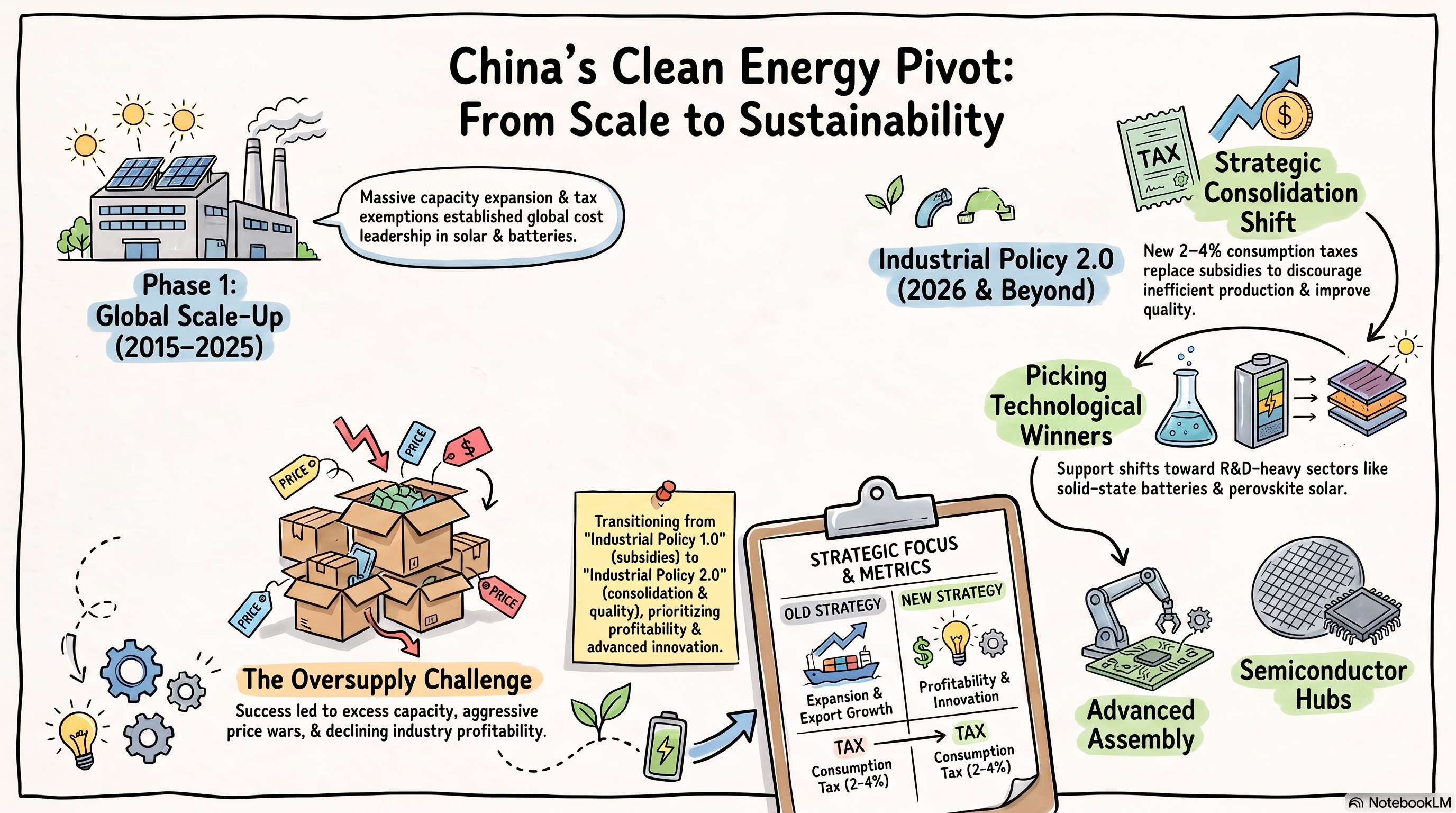
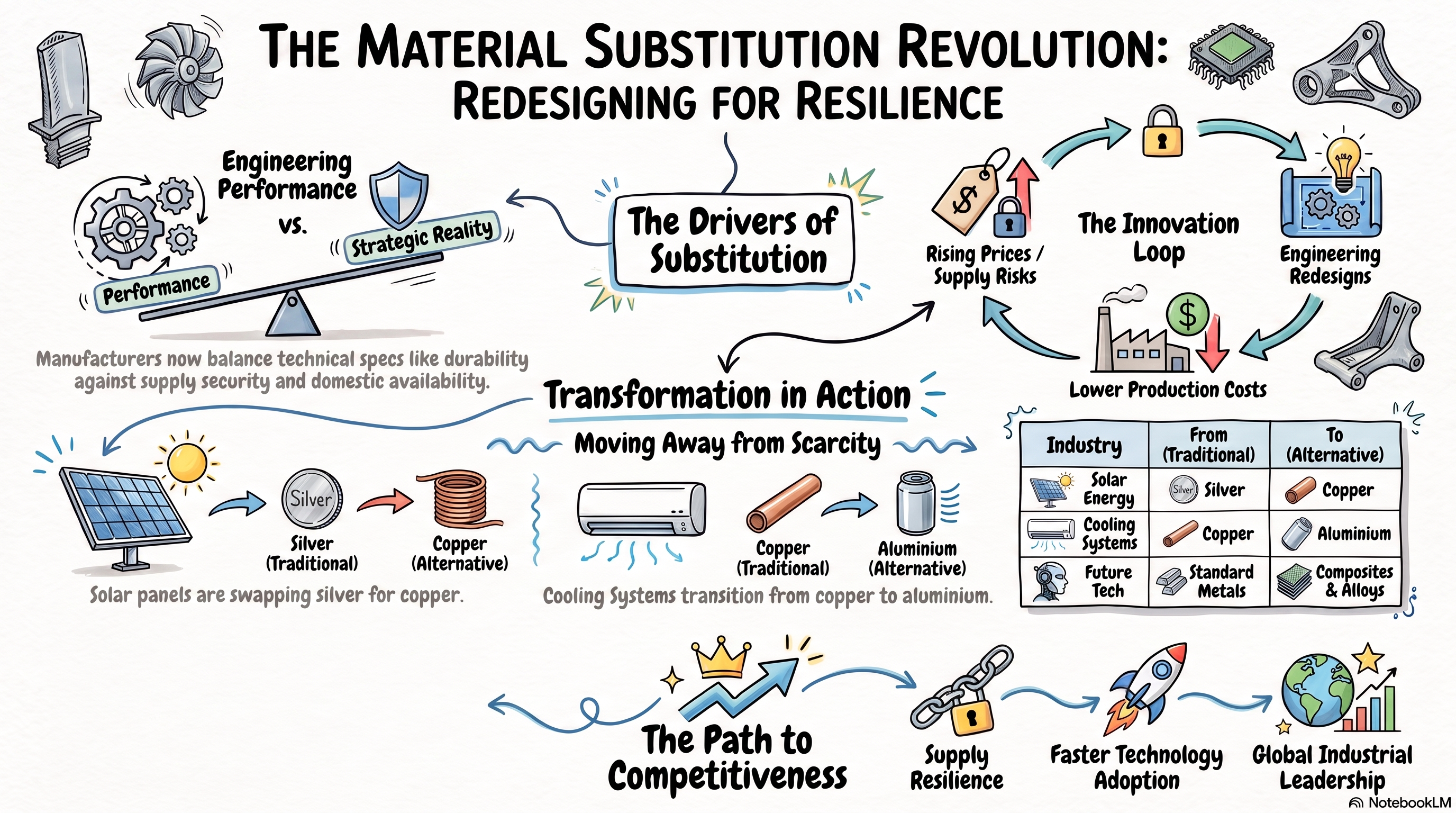
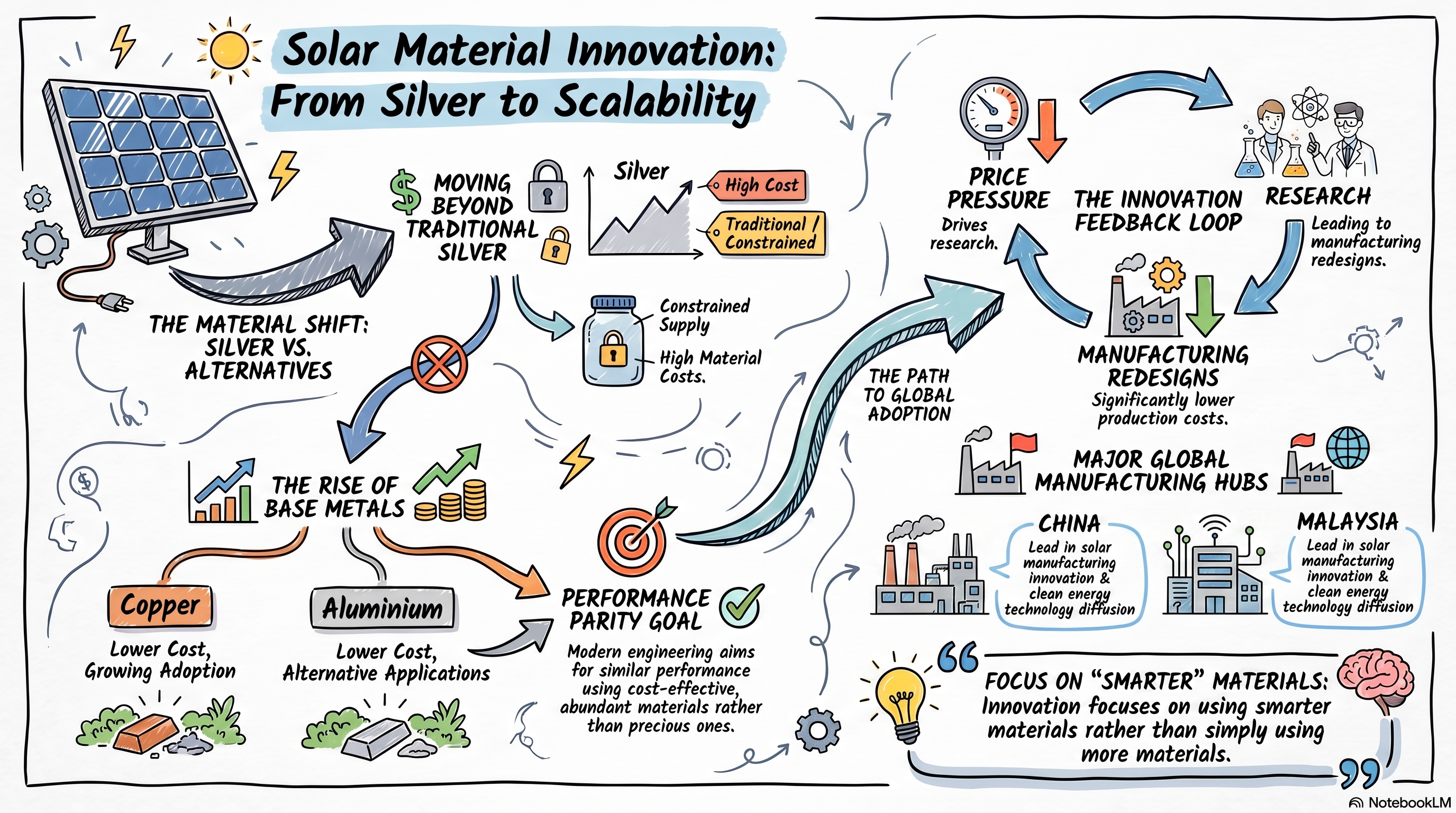
China’s Longi Green Energy Technology Co. announced it will begin substituting base metals for silver in its solar cell production, with mass production expected in Q2 2026 to help lower solar module costs amid surging silver prices and industry competition.
🟨 2. Affected Channels (MECHANISM)
Supply: Shift in raw material use from silver to base metals (e.g., copper) in solar cells
Cost: Potential reduction in material cost for solar module manufacturing
Technology/Production: Adjustments in solar cell design and processing techniques
Sentiment: Industry perception of material cost pressures and adaptation strategies
🟩 3. Malaysia Exposure (WHO)
Exposed sectors: Solar PV manufacturing and supply chain, renewable energy equipment importers
Company types: Malaysian solar panel installers and distributors, renewables project developers
Geographic relevance: Malaysia’s solar module import market and downstream solar deployment activities
🟧 4. What to Watch (SIGNALS)
Import volumes and types of solar modules (silver vs base-metal metallisation) entering Malaysia
Announcements from Malaysian renewable energy developers about material sourcing preferences
Changes in procurement specifications for solar projects referencing silver-free or reduced-silver modules
Price movements of base metals (e.g., copper) versus silver in regional markets
Technology adoption in Malaysian solar project tenders and EPC (engineering, procurement, construction) notices
📌 1. Key Insight: A Structural Materials Shift
Longi Green Energy — one of the largest solar manufacturers in the world — will start mass‑producing solar cells that substitute base metals (e.g., copper) for silver in the second quarter of 2026. This reflects industry‑wide cost pressure from record silver prices and aggressive pricing competition among solar players.
Solar is one of the largest industrial consumers of silver. Silver’s share of module costs jumped to around 14–17% of production costs due to price surges, up from just ~3–5% in recent years.
Other Chinese players like Jinko Solar and Shanghai Aiko have also been progressing with base‑metal alternatives, signaling a broader industry acceptance of silver reduction.
📊 2. What This Move Really Means
🧠 A. Cost Pressure Is Hitting Core Inputs
Silver prices are at multi‑year highs, driven by safe‑haven demand and monetary policy (e.g., Fed rate cuts), which significantly inflates solar module cost structures.
This forced manufacturers to cut down reliance on silver — a commodity that has become a margin killer in a business with historically thin profit spreads.
Replacing silver with cheaper metals (like copper or aluminum) can materially reduce cost per watt, helping sustain competitiveness — especially in price‑sensitive markets.
🧠 B. Technology Is a Key Enabler
Longi uses back‑contact (BC) solar cell architectures, where replacing silver is technically easier than in mainstream TOPCon cells, which depend heavily on silver for metallization.
BC cells place conductive features on the rear side, reducing optical loss and allowing alternative metals to perform adequately.
This is not a simple materials drop‑in — it requires process re‑engineering and new metallization technologies.
📈 3. Market & Competitive Impact
🧩 A. Solar Industry Cost Dynamics
Short‑term:
Manufacturers adopting base metals will enjoy lower material costs and some pricing flexibility.
Silver consumption in solar PV is expected to decline year‑on‑year as substitution accelerates.
Medium‑term:
Weaker firms that can’t adapt may face further margin pressure or consolidation.
BC and lower‑silver technology gains market share relative to legacy TOPCon designs.
🪙 B. Silver Market Implications
This trend puts downward pressure on industrial silver demand growth in solar, one of its largest use cases.
But:
Silver remains a safe‑haven asset — unrelated financial demand is still strong.
Solar substitution won’t eliminate silver demand; it will cap growth or slow structural demand increases.
⚡ C. Competitive Positioning for Longi & Peers
Longi’s early shift could give it cost leadership in base‑metal PV segments.
Downstream buyers (utilities, developers, installers) could see slightly lower module pricing once substitution scales.
Other manufacturers adopting similar tech will mitigate competitive disadvantage.
🤔 4. Strategic Interpretation
🧠 A. This Is Cost Survival, Not Pure Innovation
This isn’t about disrupting physics — it’s about economics under price stress. Silver’s industrial cost impact forced a rethink of materials that were previously untouchable because copper and aluminum historically didn’t match conductivity or reliability as well as silver.
But:
Solar PV is evolving rapidly.
Cost pressures + material innovations are now outpacing traditional performance risk concerns.
🧠 B. Materials Sovereignty
China has big positions in copper and aluminum production, but limited control over silver supply. Reducing reliance on imported silver lessens supply risk in a geopolitically uncertain environment.
💡 5. Actions for Investors and Stakeholders
📌 For Equity Investors in Solar Manufacturing
What to consider:
Favor companies that innovate materials and have adaptable production lines (e.g., BC or new metallization tech).
Be cautious with players heavy in TOPCon or high‑silver dependency without clear substitution plans.
Why:
Base‑metal adoption is likely to be a competitive moat, not just a cost cut.
📌 For Supply Chain Investors
Analysts should adjust raw material demand forecasts:
Silver demand from solar is likely to flatten or decline.
Copper/aluminum demand in solar PV may rise as substitution expands.
Model future scenarios with this shift in place.
📌 For Commodity Traders
Silver demand forecasts for solar should be revised, especially over 2026–2028.
Watch for increased price volatility as substitution reduces price sensitivity, but financial investment demand remains.
📌 For Policymakers / Energy Strategists
Materials substitution aligns with broader goals of energy affordability and security.
But consumer and project bankability requirements (30‑year lifespan expectations) still tie back to performance — regulators and standards bodies may need to revisit technical standards.
📌 Bottom Line
Longi’s announcement isn’t a standalone story — it’s a material shift in solar supply economics driven by record metal prices and intense competition. It signals:
Solar manufacturing is reducing dependence on precious metals.
Cost pressures are reshaping technology choices.
Silver’s long‑term role in PV demand could shrink relative to copper/aluminum.
Investors must factor in material substitution curves alongside traditional supply‑demand fundamentals.