🟦 1. The Event (FACT)
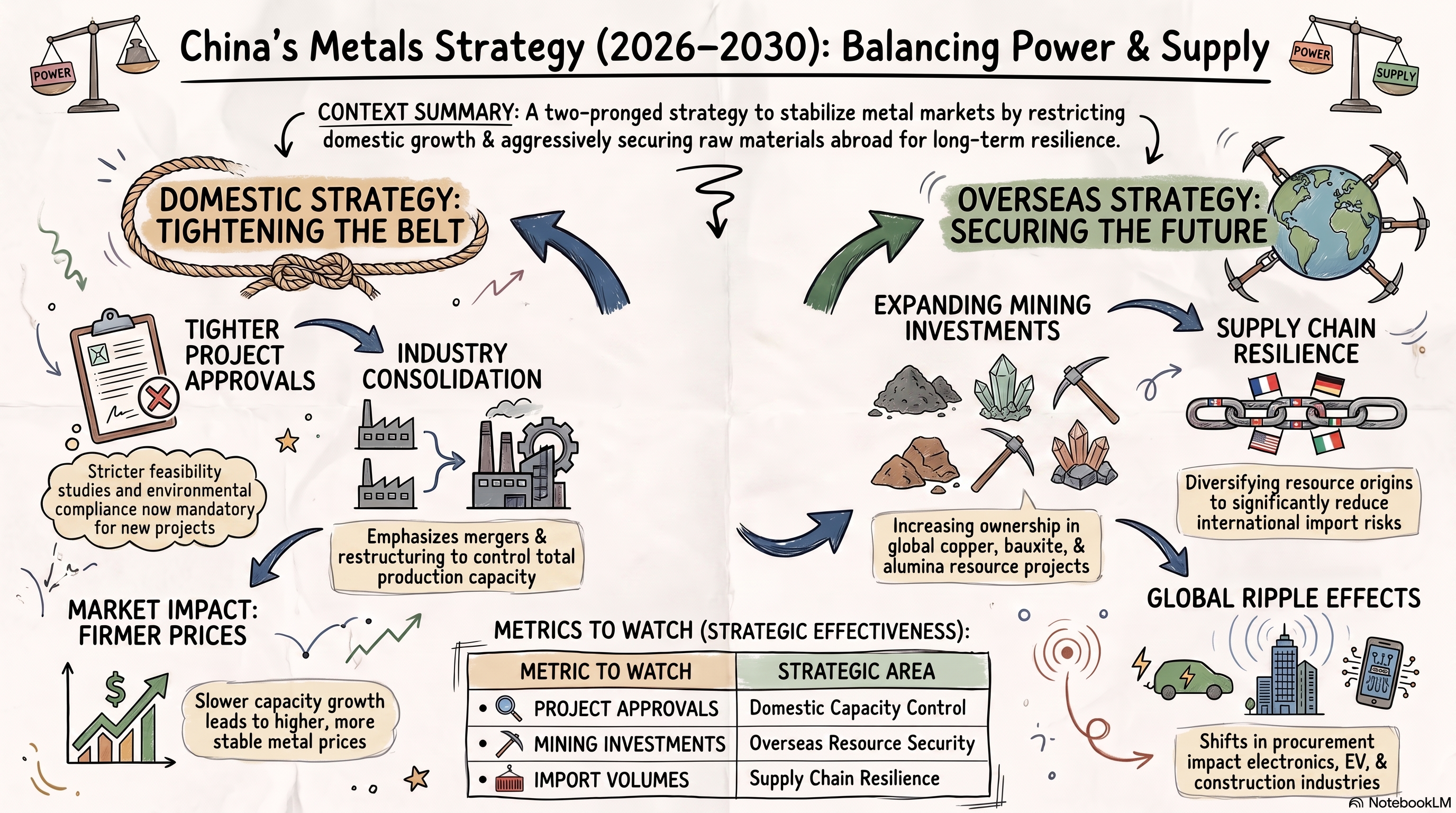
China’s National Development and Reform Commission (NDRC) announced tighter oversight of new copper and alumina projects from 2026 to 2030 to prevent irrational investment and overcapacity.
The guidance includes stricter feasibility studies, alignment with national policy, encouragement of mergers/restructuring, and continued support for overseas mining investment.
🟨 2. Affected Channels (MECHANISM)
Supply: Potential slowdown of new copper and alumina project approvals
Cost: Industry consolidation may affect production costs and pricing
Trade / Logistics: Impact on international supply of refined copper and alumina
Sentiment: Market response to capacity curbs and policy tightening
🟩 3. Malaysia Exposure (WHO)
Exposed sectors: Mining, metal smelting, industrial metals traders, downstream manufacturers
Company types: Malaysian base metal traders, copper/alumina importers, industrial users of refined copper and aluminium (e.g., electrical, construction, electronics)
Geographic relevance: National, with concentration in industrial zones reliant on imported metals
🟧 4. What to Watch (SIGNALS)
Import volumes of copper and alumina from China to Malaysia
Domestic inventory levels and procurement patterns of industrial metals
Price movements in Malaysian and regional base metal markets
Announcements of supply contracts or hedging activity by industrial users
News of mergers, acquisitions, or consolidation in Chinese copper and alumina firms
1. Overview
China's National Development and Reform Commission (NDRC) has introduced a 2026–2030 policy framework to strengthen oversight of the copper and alumina industries. The measures tighten approval requirements for new projects, promote industry consolidation through mergers and restructuring, and support overseas mining investments to enhance long-term resource security. The policy aims to improve industrial efficiency, manage capacity expansion, and strengthen the competitiveness of China's non-ferrous metals sector.
2. Key Policy Measures
The policy introduces several initiatives to reshape the copper and alumina industries.
Stricter approval processes for new copper and alumina projects based on national industrial policy, environmental capacity, and regional resource availability.
Measures to discourage excessive or inefficient capacity expansion.
Support for mergers, acquisitions, and restructuring to increase industry concentration.
Continued encouragement of overseas mining investments to strengthen China's long-term supply of critical mineral resources.
Greater emphasis on environmentally sustainable and strategically aligned industrial development.
3. Economic and Industry Impact
The policy is expected to influence production capacity, commodity markets, and industry structure.
Existing large-scale producers may benefit from reduced competition and stronger pricing power as new project approvals become more selective.
Smaller producers could face greater regulatory challenges and increased pressure to consolidate.
Copper and aluminium prices may receive support if domestic supply growth slows while demand remains strong.
Downstream industries, including electric vehicles, electronics, renewable energy, and construction, may experience higher raw material costs.
Overseas mining projects may become increasingly important in diversifying China's resource supply.
4. Strategic Significance
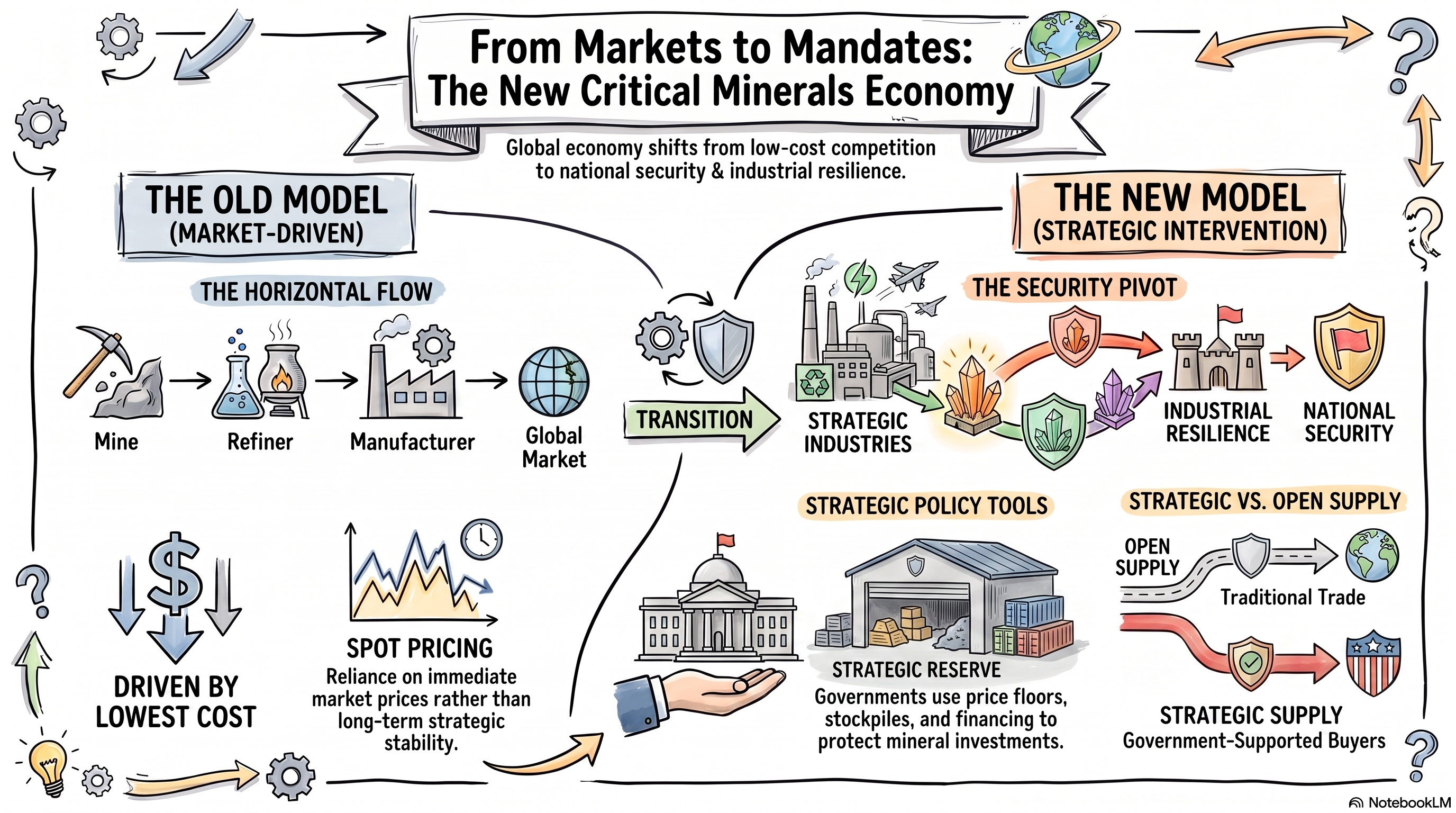
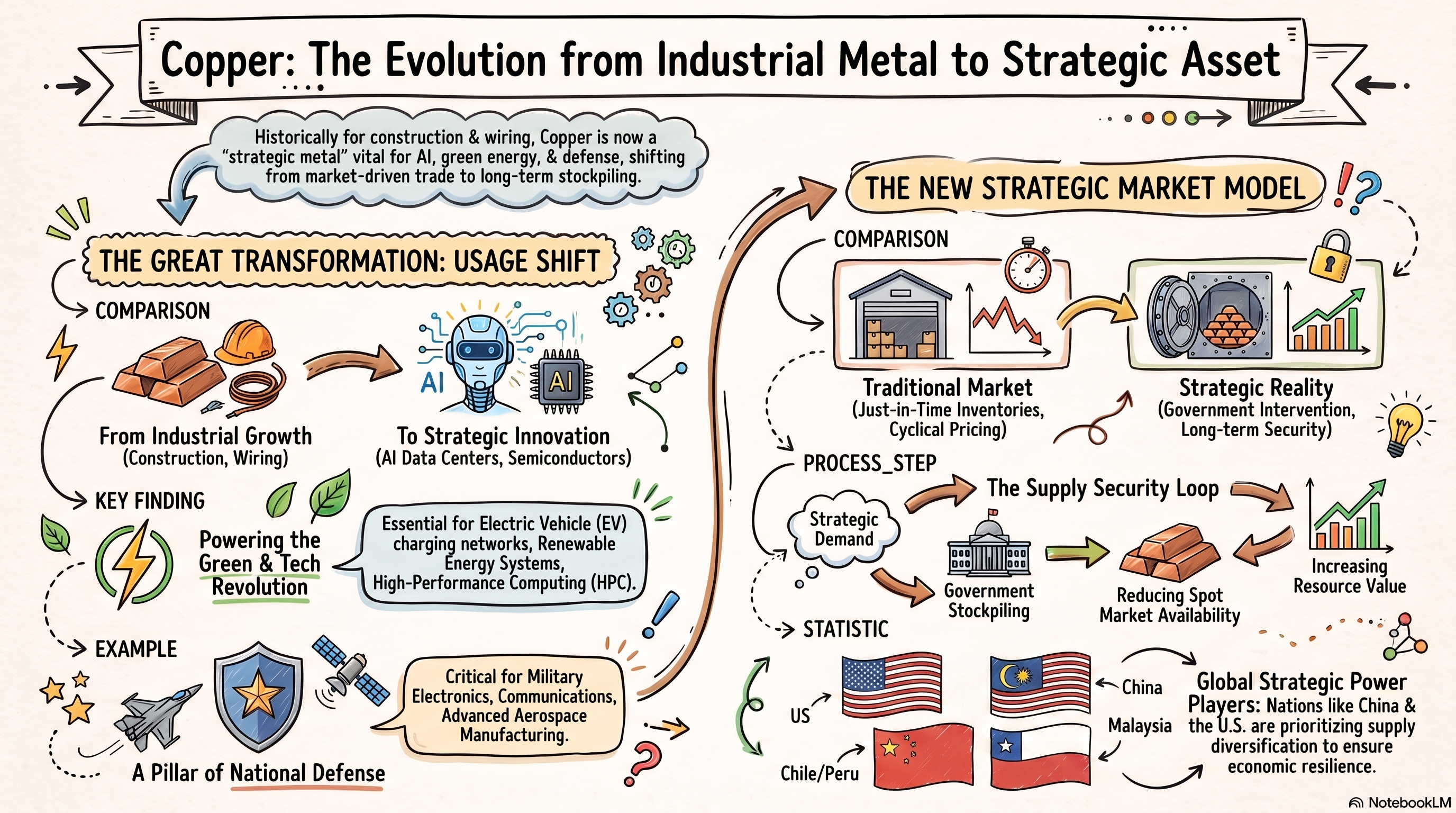
The policy supports China's broader industrial strategy of strengthening resource security while improving the quality and sustainability of domestic manufacturing.
Key strategic objectives include:
Preventing excessive production capacity and market oversupply.
Enhancing industry competitiveness through consolidation.
Improving environmental performance within heavy industries.
Securing long-term supplies of critical minerals through overseas investment.
Supporting stable development of strategic manufacturing sectors that depend on copper and aluminium.
5. Implementation Considerations
The effectiveness of the policy will depend on several operational and market factors.
Approval processes for new projects are expected to become more rigorous.
Industry consolidation may accelerate through mergers and acquisitions.
Commodity prices may remain sensitive to regulatory developments and global demand conditions.
Overseas investment projects will require effective risk management across geopolitical, regulatory, and operational environments.
Downstream manufacturers may need to strengthen procurement strategies and manage raw material price volatility.
6. Outlook
The NDRC's 2026–2030 policy framework is expected to shift China's copper and alumina industries toward slower capacity expansion, higher industry concentration, and greater emphasis on strategic resource security. If implemented successfully, the measures could support more sustainable industry growth, strengthen supply chain resilience, and reinforce China's position in global critical mineral markets while maintaining support for long-term industrial development.