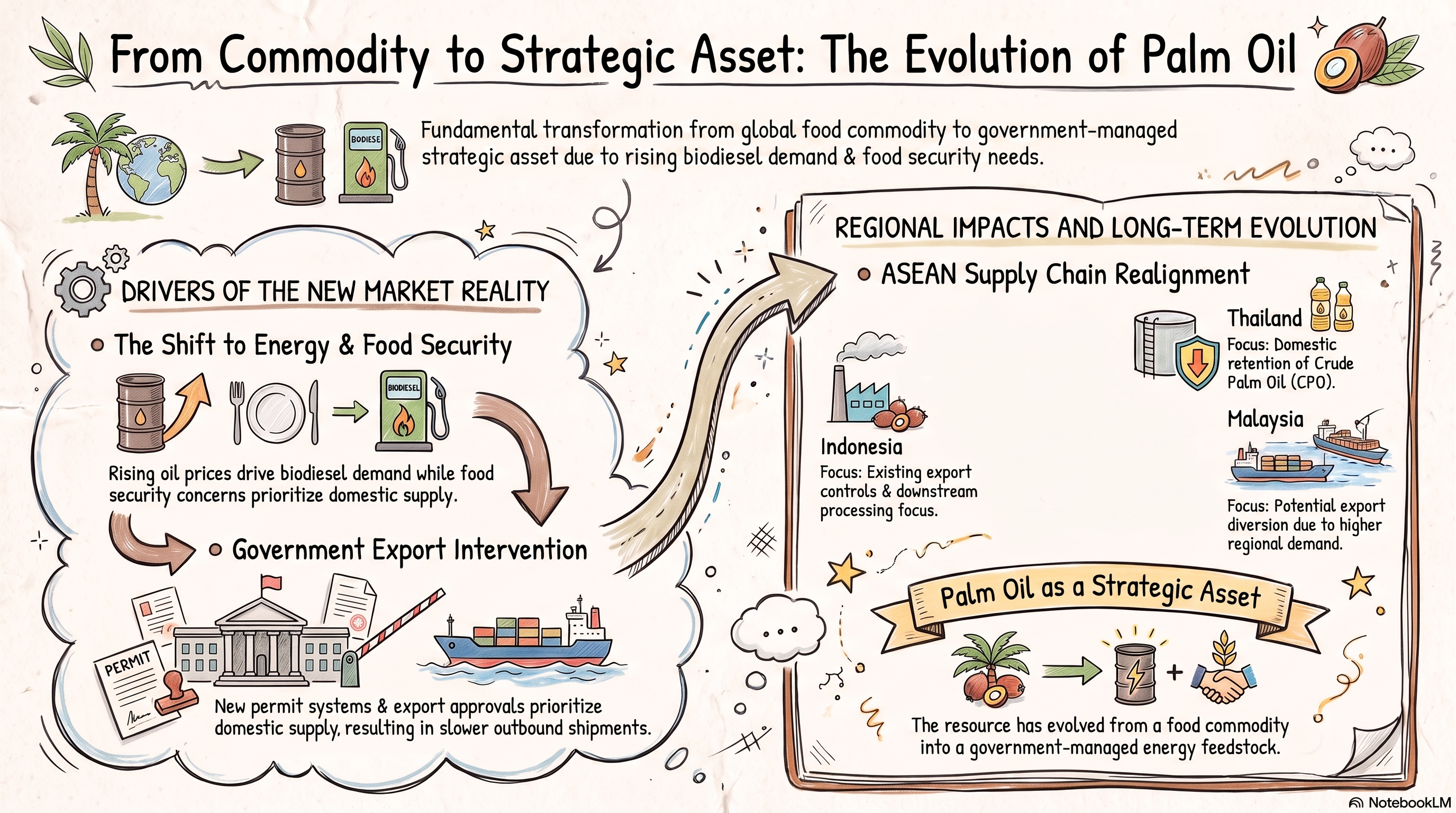
🟦 1. The Event (FACT)
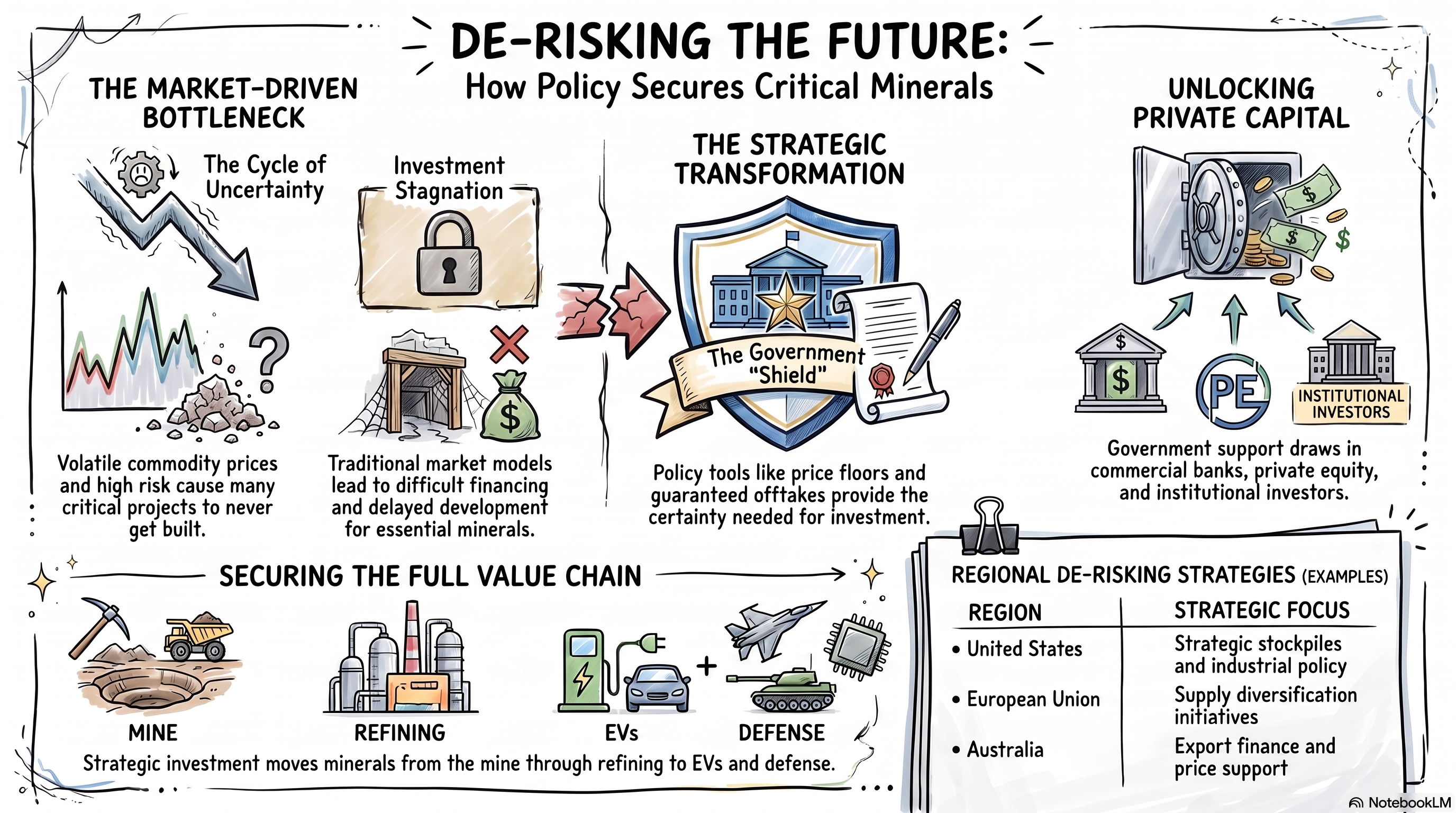
Thailand will require prior government permits for all crude palm oil (CPO) exports from 7 April 2026 under a one-year nationwide measure. The policy aims to safeguard domestic crude palm oil supply amid higher biodiesel demand, rising export demand, and elevated global energy prices.
🟨 2. Affected Channels (MECHANISM)
Regulation: New export permit requirement for crude palm oil shipments.
Trade / Logistics: Additional administrative approval may affect export timing and shipment processes.
Supply: More crude palm oil may be retained for Thailand's domestic market.
Demand: Domestic biodiesel demand competes with export demand for crude palm oil.
Sentiment: Signals tighter government management of agricultural commodity exports amid energy market pressures.
🟩 3. Malaysia Exposure (WHO)
Exposed sectors
Palm oil
Biodiesel
Agribusiness
Commodity trading
Shipping and logistics
Types of Malaysian companies
Palm oil producers and exporters.
Palm oil refiners and processors.
Biodiesel producers.
Commodity trading houses.
Logistics and port operators involved in edible oil exports.
Geographic relevance
Regional. Malaysia may be affected through changes in Southeast Asian palm oil trade flows, as both Malaysia and Thailand are major palm oil exporters, although Thailand's export volume is significantly smaller than Indonesia's and Malaysia's.
🟧 4. What to Watch (SIGNALS)
Thai crude palm oil export volumes after the permit system takes effect.
Changes in regional crude palm oil trade flows and export destinations.
Government updates to Thailand's biodiesel blending policies.
Palm oil export permit issuance and administrative processing trends.
Regional crude palm oil and refined palm oil price movements.
Malaysian palm oil export activity and buyer procurement patterns.
Policy responses from other major palm oil-producing countries regarding export controls or domestic supply management.
Thailand's palm oil export controls signal food-and-energy security overtaking free commodity trade
2. Executive Summary
Thailand's new permit requirement for crude palm oil (CPO) exports is more than an administrative measure—it reflects the growing convergence of food security, energy security, and industrial policy.
The trigger is not only higher export demand but also rising biodiesel consumption, illustrating how geopolitical energy shocks are increasingly spilling over into agricultural commodity markets.
Coming shortly after Indonesia's move to centralize exports and amid disruptions to global energy markets, the measure reinforces a regional trend toward resource nationalism in agricultural commodities.
Investors should monitor whether temporary export controls evolve into more permanent intervention mechanisms, as repeated policy actions could reshape palm oil pricing, regional trade flows, and downstream investment.
3. Key Insights
Insight 1: Palm oil is increasingly treated as an energy commodity
Observation
Thailand justified export controls partly by expected increases in biodiesel blending.
Why it matters
Palm oil is no longer valued only as a food ingredient; it has become a strategic energy feedstock.
Second-order implication
Future oil price spikes will increasingly translate into higher agricultural commodity prices and greater government intervention.
Third-order implication
Food and energy markets become structurally intertwined, increasing price volatility across both sectors.
Insight 2: Southeast Asia is becoming more interventionist in commodity markets
Observation
Thailand now joins Indonesia in tightening state control over key commodity exports.
Why it matters
Regional governments are increasingly prioritizing domestic supply stability over maximizing export efficiency.
Second-order implication
Commodity buyers may diversify sourcing or build larger inventories to hedge against policy-driven disruptions.
Third-order implication
Global commodity trade becomes less predictable and more influenced by government decisions than purely by market forces.
Insight 3: Energy security is driving agricultural policy
Observation
Higher petroleum prices are encouraging greater biodiesel use, increasing domestic demand for crude palm oil.
Why it matters
Energy policy is now directly shaping agricultural supply allocation.
Second-order implication
Governments may increasingly coordinate agriculture, energy, and trade ministries when managing strategic commodities.
Third-order implication
Agricultural commodities become integrated into national energy resilience strategies.
Insight 4: Administrative controls may become a flexible policy tool
Observation
Thailand is introducing a permit system rather than an outright export ban.
Why it matters
Permit systems provide policymakers with the flexibility to adjust exports in response to changing domestic conditions.
Second-order implication
Authorities can effectively ration exports without imposing formal quotas, creating uncertainty for international buyers.
Insight 5: Regional downstream industries gain priority over exports
Observation
The policy aims to ensure sufficient supply for domestic industry and energy needs.
Why it matters
Governments increasingly seek to retain raw materials for higher-value domestic activities rather than exporting them unprocessed.
Third-order implication
Investment in domestic refining, biodiesel, oleochemicals, and food processing becomes more attractive.
Insight 6: Palm oil markets may become structurally more fragmented
Observation
Export permissions now depend on government approval.
Why it matters
Administrative friction increases transaction costs and may alter traditional trade patterns.
Second-order implication
Importers could seek greater diversification across Malaysia, Indonesia, Latin America, and alternative vegetable oils.
4. Interpretation
What is really happening beneath the headlines?
Thailand is responding to a broader structural shift in which agricultural commodities are increasingly viewed as strategic assets.
The immediate catalyst is higher oil prices following Middle East tensions, which raise biodiesel demand. However, the deeper issue is that governments are no longer comfortable allowing strategic commodities to flow freely when they influence domestic inflation, energy security, and industrial production.
This resembles earlier periods of commodity intervention:
The 2007–08 food crisis, when many countries restricted grain exports.
Indonesia's recurring palm oil export controls to stabilize domestic cooking oil prices.
Recent energy export restrictions adopted by several countries during periods of market stress.
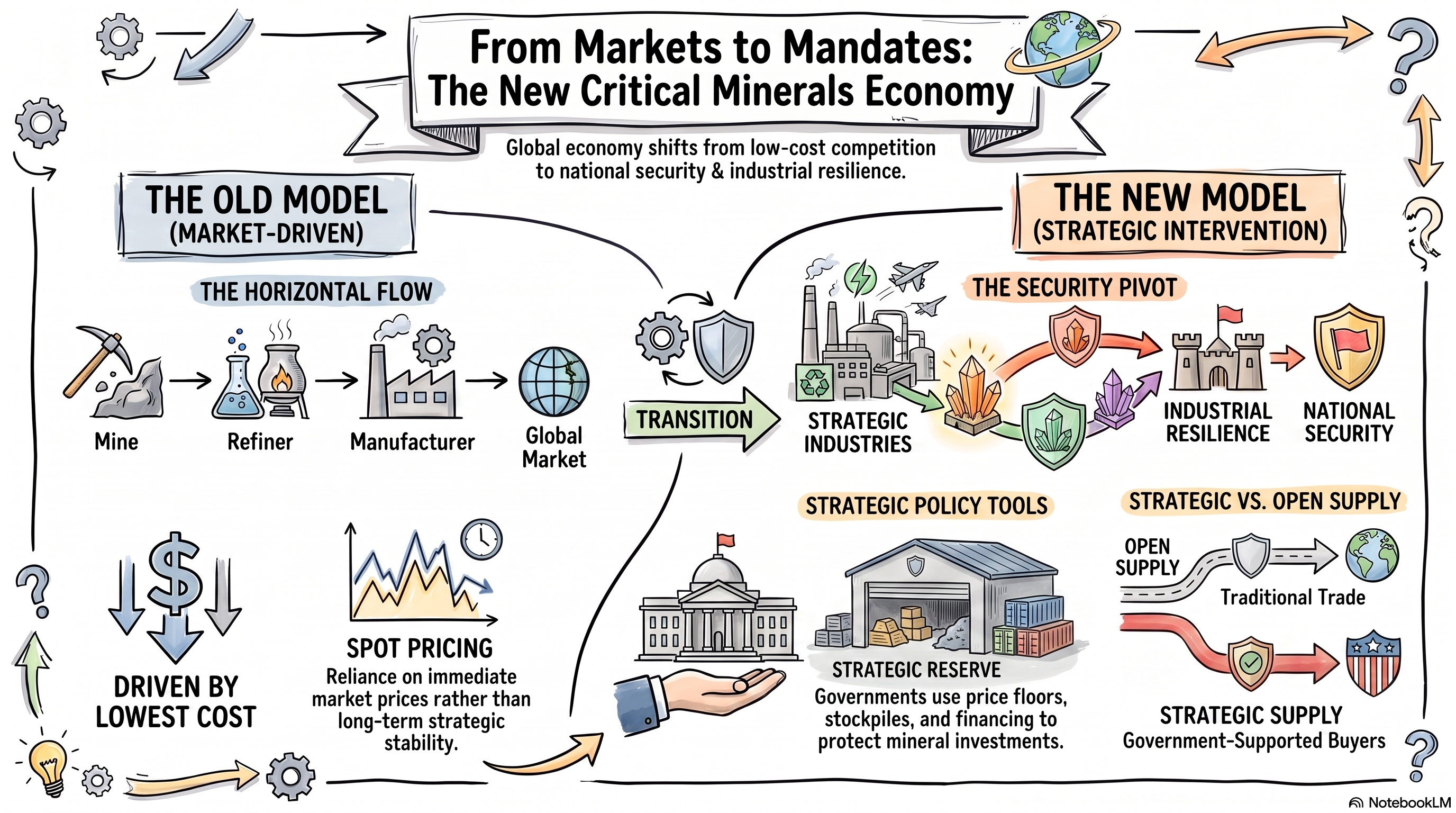
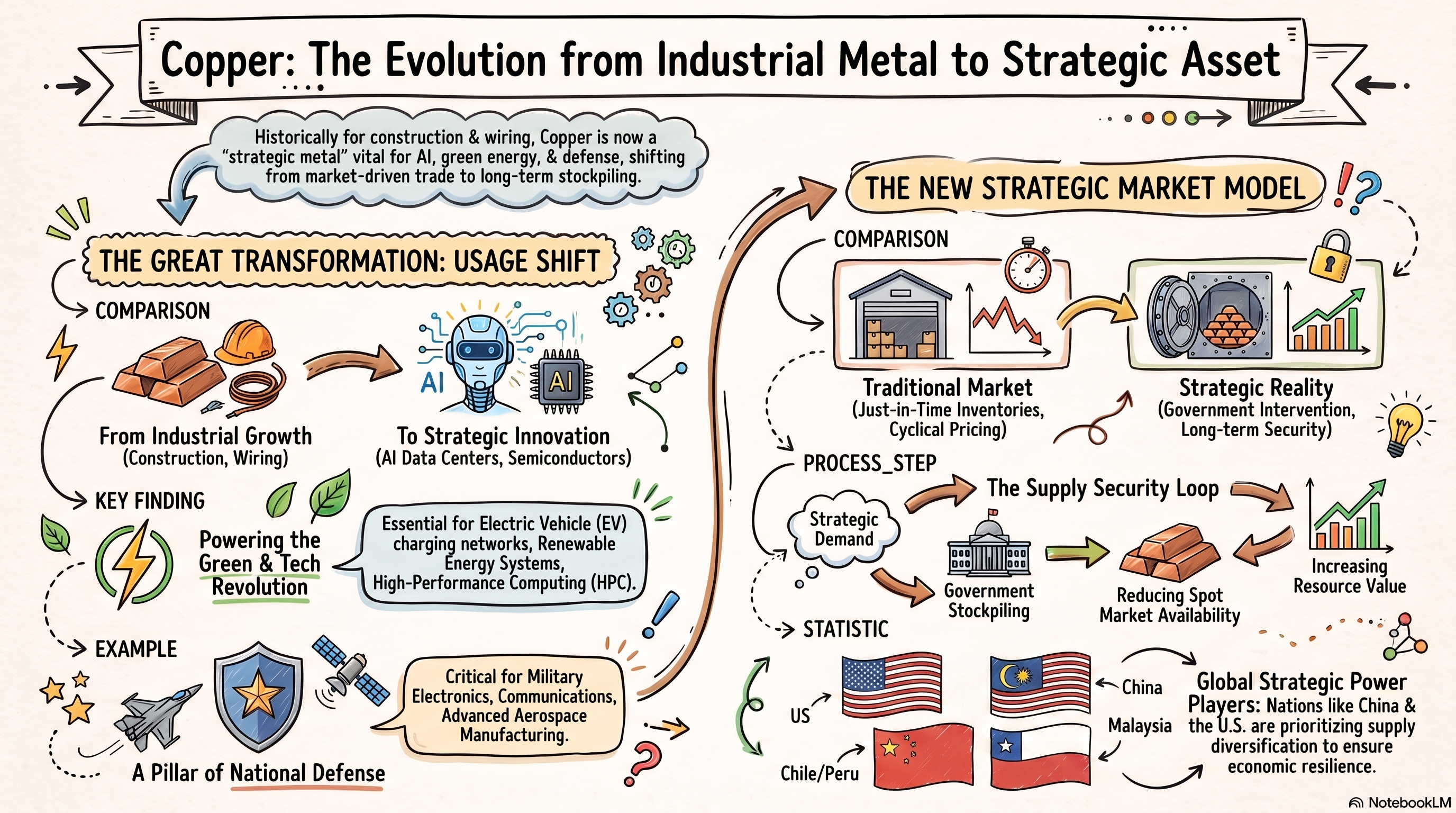
The common theme is that strategic commodities are increasingly managed through industrial policy rather than purely market mechanisms.
5. What Changes Next?
Next 6 Months
Likely (75%)
Export permits become the primary mechanism for managing palm oil outflows.
Domestic crude palm oil inventories stabilize.
Biodiesel producers receive greater supply certainty.
Possible (50%)
Thailand adjusts biodiesel blending mandates in response to crude oil prices.
Administrative approval times become a key concern for exporters.
Low Probability, High Impact (20%)
Additional export restrictions are imposed if global energy prices rise sharply or domestic shortages emerge.
Next 12 Months
Likely (70%)
Thailand reviews the permit system and may extend or refine it.
Greater investment in domestic biodiesel and downstream palm oil processing.
Regional buyers adjust procurement strategies.
Next 3 Years
Likely (75%)
Palm oil becomes increasingly integrated into Southeast Asian energy policy.
Governments maintain flexible intervention tools rather than relying solely on market pricing.
Downstream value-added industries receive stronger policy support.
6. Winners
Direct Winners
Countries
Thailand (through improved domestic supply management)
Malaysia (potentially, if buyers shift some demand)
Industries
Biodiesel
Food processing
Oleochemicals
Domestic refining
Storage and logistics
Companies
Thai biodiesel producers
Domestic refiners
Palm oil processors
Industrial storage operators
Secondary Winners
Agricultural logistics providers
Tank terminal operators
Commodity risk management firms
Engineering companies supporting downstream processing
7. Losers / Pressure Points
Palm oil exporters
Face increased administrative costs, potential shipment delays, and reduced commercial flexibility.
Nature: Initially cyclical, but could become structural if controls are extended.
International buyers
Experience greater uncertainty regarding supply timing and availability.
Global food manufacturers
Higher input price volatility may affect margins if palm oil supply tightens regionally.
Commodity traders
Permit systems reduce flexibility and may compress trading opportunities.
8. Investment Implications
Equities
Opportunities
Thai biodiesel producers
Domestic food processors
Palm oil refiners
Storage and logistics companies
Risks
Export-oriented plantation firms
Companies dependent on unrestricted international trade
Private Equity
Potential investment themes:
Biodiesel facilities
Oleochemical production
Food processing
Agricultural storage infrastructure
Infrastructure
High-conviction themes:
Storage tanks
Processing plants
Logistics hubs
Inland transport supporting domestic distribution
Venture Capital
Emerging opportunities:
Agricultural supply-chain software
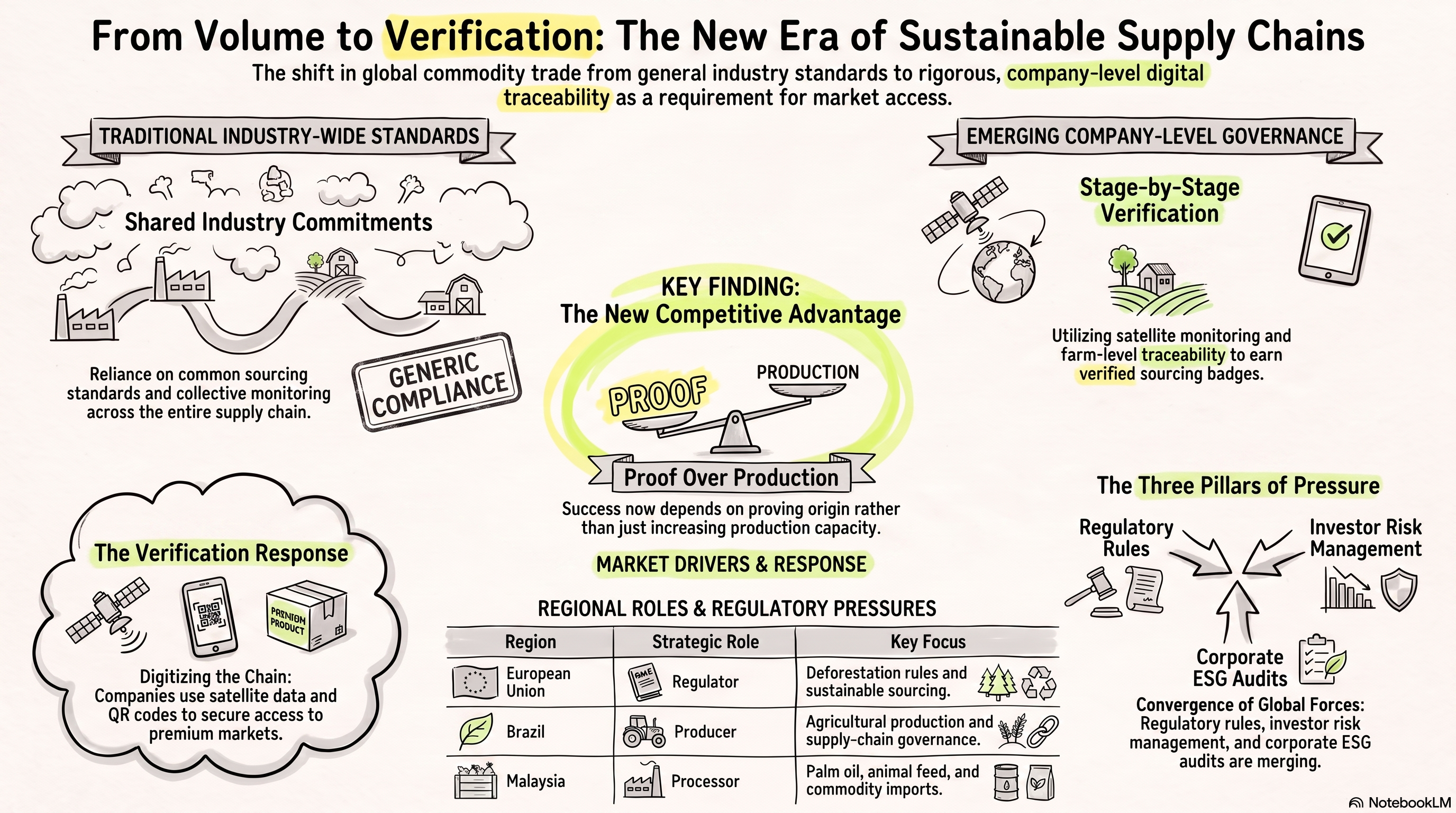
Commodity traceability
Inventory optimization
Digital permitting and compliance solutions
Commodities
Watchlist
Crude palm oil
Soybean oil
Rapeseed oil
Crude oil (through biodiesel linkage)
Fixed Income
Domestic infrastructure and agricultural financing may benefit if downstream investment accelerates.
Currencies
Limited direct impact, though reduced import dependence for biodiesel feedstock could modestly support Thailand's external balance if sustained.
Real Assets
Palm oil processing facilities, storage infrastructure, and biodiesel plants become increasingly valuable as governments prioritize domestic value addition.
9. Malaysia / ASEAN Implications
Malaysia
Malaysia is the largest potential beneficiary if Thai export controls tighten regional supply.
Buyers may increase purchases from Malaysian exporters.
Malaysian refiners and traders could gain market share.
Plantation companies may benefit from firmer regional pricing.
However, Malaysia may also face pressure to ensure sufficient domestic supply if prices rise significantly.
Singapore
Strengthens its role as a regional trading, financing, and hedging hub as commodity flows become more complex and policy-driven.
Indonesia
The policy complements Indonesia's broader resource nationalism agenda. Together, Indonesia and Thailand are increasing government influence over major agricultural exports, potentially reshaping regional palm oil trade.
Thailand
Enhances domestic supply resilience but introduces additional administrative burdens and may reduce export flexibility.
Vietnam
As a palm oil importer, Vietnam could face higher procurement costs and may seek greater supplier diversification.
10. Long-Term Structural Trend
Megatrend | Assessment | Why |
Resource nationalism | Strongly reinforces | Governments are increasing control over strategic agricultural exports. |
Industrial policy | Strongly reinforces | Trade policy supports domestic energy and processing industries. |
Energy transition | Moderately reinforces | Biodiesel demand links renewable fuel policy to agricultural markets. |
Supply-chain resilience | Moderately reinforces | Importers diversify sourcing to reduce policy risk. |
Multipolar world | Moderately reinforces | Regional governments pursue more autonomous commodity strategies. |
Financial fragmentation | Weakly reinforces | Commodity trade becomes increasingly influenced by national policy. |
Deglobalisation | Weakly reinforces | Administrative barriers modestly reduce trade efficiency. |
Friend-shoring | Neutral | No clear geopolitical alignment component. |
AI infrastructure | Neutral | No direct implication. |
Defence spending | Neutral | No material connection. |
11. Hidden Insights
Palm oil is increasingly a dual-use commodity. Its role in both food and energy means governments will manage it with the same strategic mindset applied to fuels.
Administrative controls can become permanent. Permit systems introduced during periods of market stress often persist because they provide governments with flexible policy tools.
Regional policy convergence is emerging. Indonesia and Thailand are using different mechanisms—centralized marketing versus export permits—but both reflect a broader shift toward state-managed commodity markets.
Inventory strategies will change. Importers may increase safety stocks of palm oil to hedge against export approvals and policy uncertainty, raising storage demand and working capital needs.
Downstream industries become politically favored. Governments are more likely to protect domestic biodiesel, food processing, and oleochemical producers than maximize raw commodity exports.
12. Signals to Monitor
Bullish Confirmation
Extension of the permit system beyond one year.
Higher biodiesel blending mandates.
Increased investment in Thai biodiesel and oleochemical capacity.
Rising regional crude palm oil prices.
Additional commodity management measures by ASEAN governments.
Bearish Confirmation
Rapid easing of global oil prices reducing biodiesel demand.
Faster-than-expected export approvals with minimal market disruption.
Stable domestic inventories despite strong export demand.
Invalidation Signals
Thailand removes the permit requirement early.
Export volumes remain largely unchanged, indicating the policy has little practical effect.
Global palm oil prices weaken significantly despite continued controls, suggesting ample alternative supply.
13. Bottom Line
Thailand's export permit regime reflects a broader shift from free commodity trade to strategic commodity management.
Palm oil is increasingly being treated as both a food security and energy security asset.
Administrative export controls provide governments with flexible tools that may outlast the immediate market pressures that prompted them.
ASEAN is moving toward greater state involvement in commodity markets, though each country is using different policy instruments.
Downstream industries—biodiesel, food processing, and oleochemicals—are likely to receive increasing policy support relative to raw commodity exports.
Malaysia could benefit from trade diversion if buyers seek alternative palm oil suppliers, but it may also face stronger regional competition over supply management.
Investors should monitor whether temporary export controls evolve into enduring industrial policy, as that would have lasting implications for pricing power, capital allocation, and regional supply chains.
Over the next decade, government control over commodity flows may become as important as production volumes in determining competitiveness and investment returns.