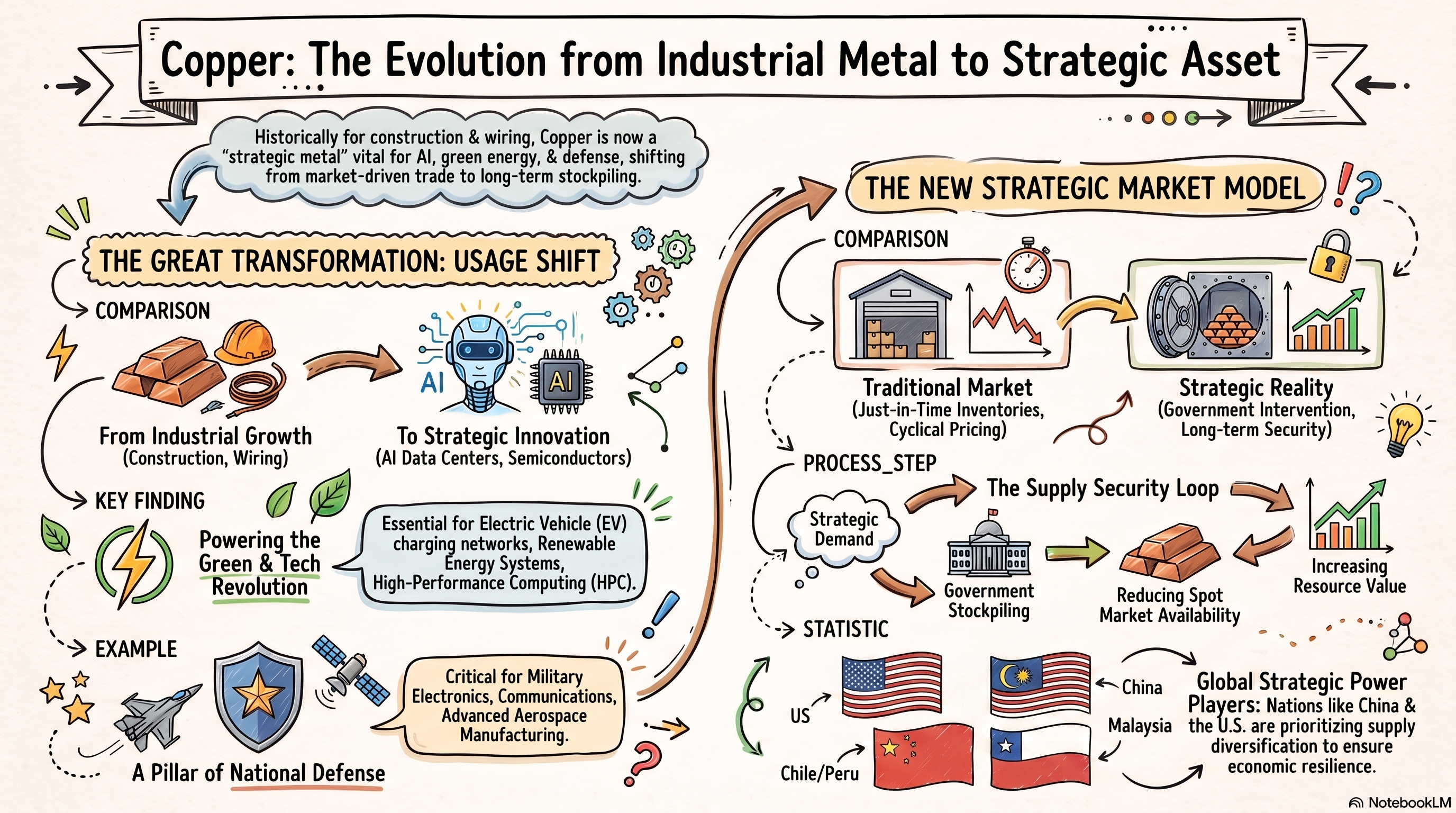
🟦 1. The Event (FACT)
China announced plans to expand its strategic copper stockpiles and encourage higher commercial inventories via state-owned producers, according to the China Nonferrous Metals Industry Association at a press conference this week. The move follows recent copper price volatility and comes amid broader global efforts to secure critical metal supplies.
🟨 2. Affected Channels (MECHANISM)
Supply: Increased state and commercial stockpiling tightens available copper supply
Cost: Raw material input costs for copper-consuming industries
Trade / Logistics: Potential changes in export availability and global flows
Sentiment: Copper increasingly viewed as a strategic asset by governments
🟩 3. Malaysia Exposure (WHO)
Exposed sectors: Electrical & electronics (E&E), construction, power infrastructure, renewable energy, automotive
Company types: Manufacturers and contractors with high copper intensity in cables, wiring, motors, transformers
Geographic relevance: Malaysia as a downstream copper consumer dependent on imported refined copper and concentrates
🟧 4. What to Watch (SIGNALS)
Changes in copper import volumes and sourcing patterns into Malaysia
Corporate disclosures on raw material cost pressures in E&E and construction sectors
Shifts in inventory behavior by Malaysian manufacturers or traders
Policy or procurement responses by government-linked infrastructure or energy projects
1. What is China actually doing?
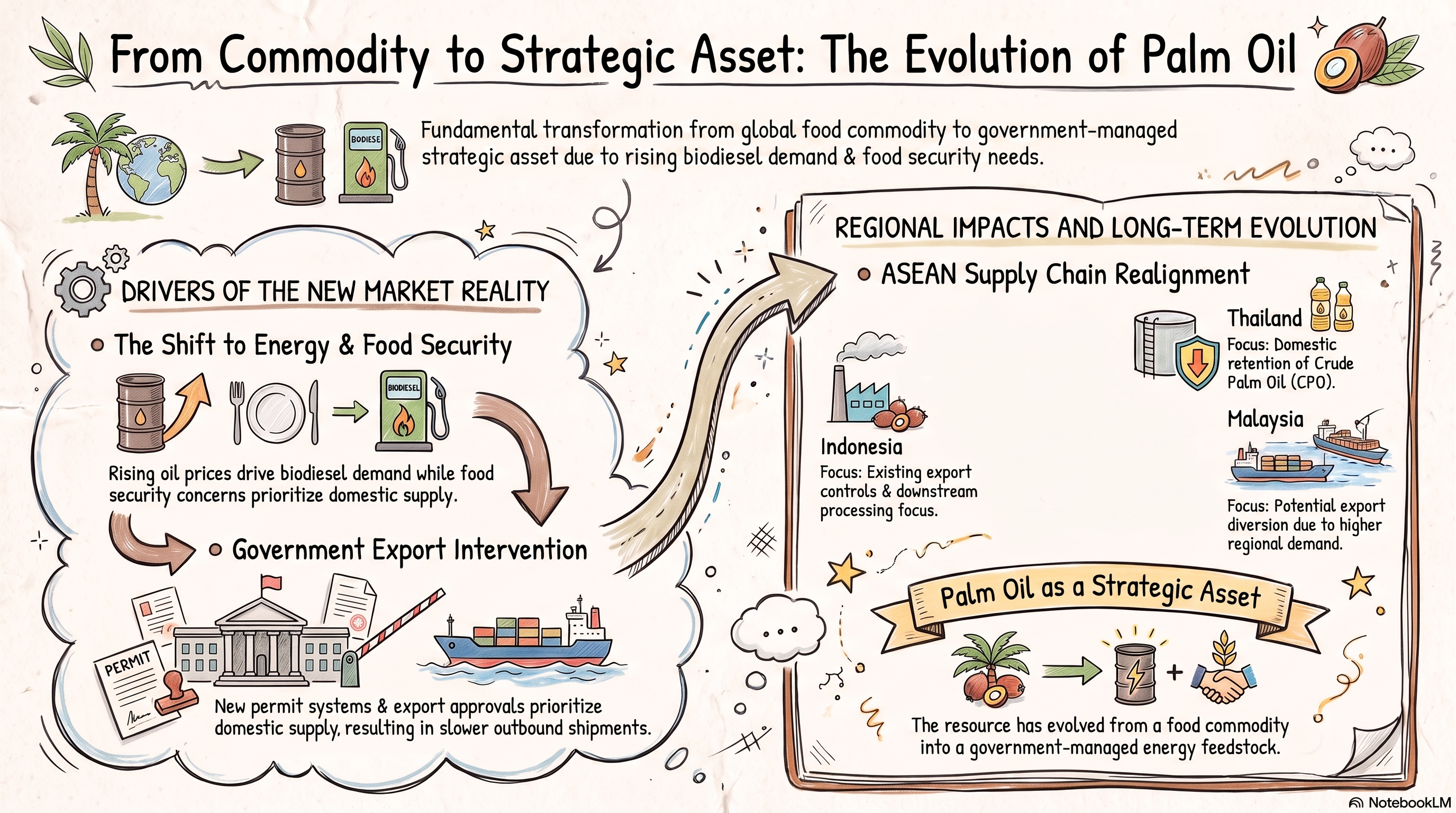
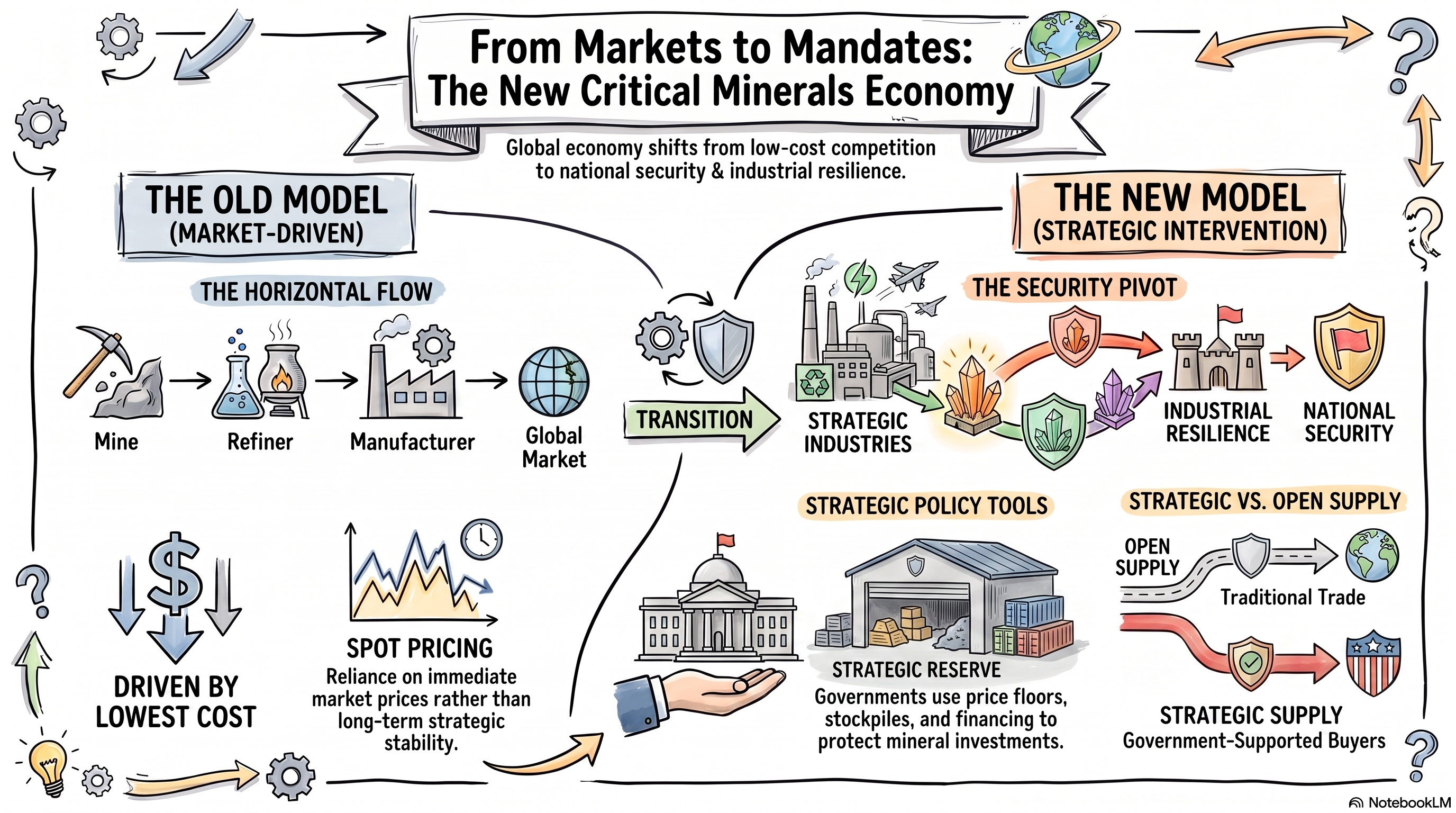
China is formally treating copper as a strategic asset, not just an industrial input.
Concretely:
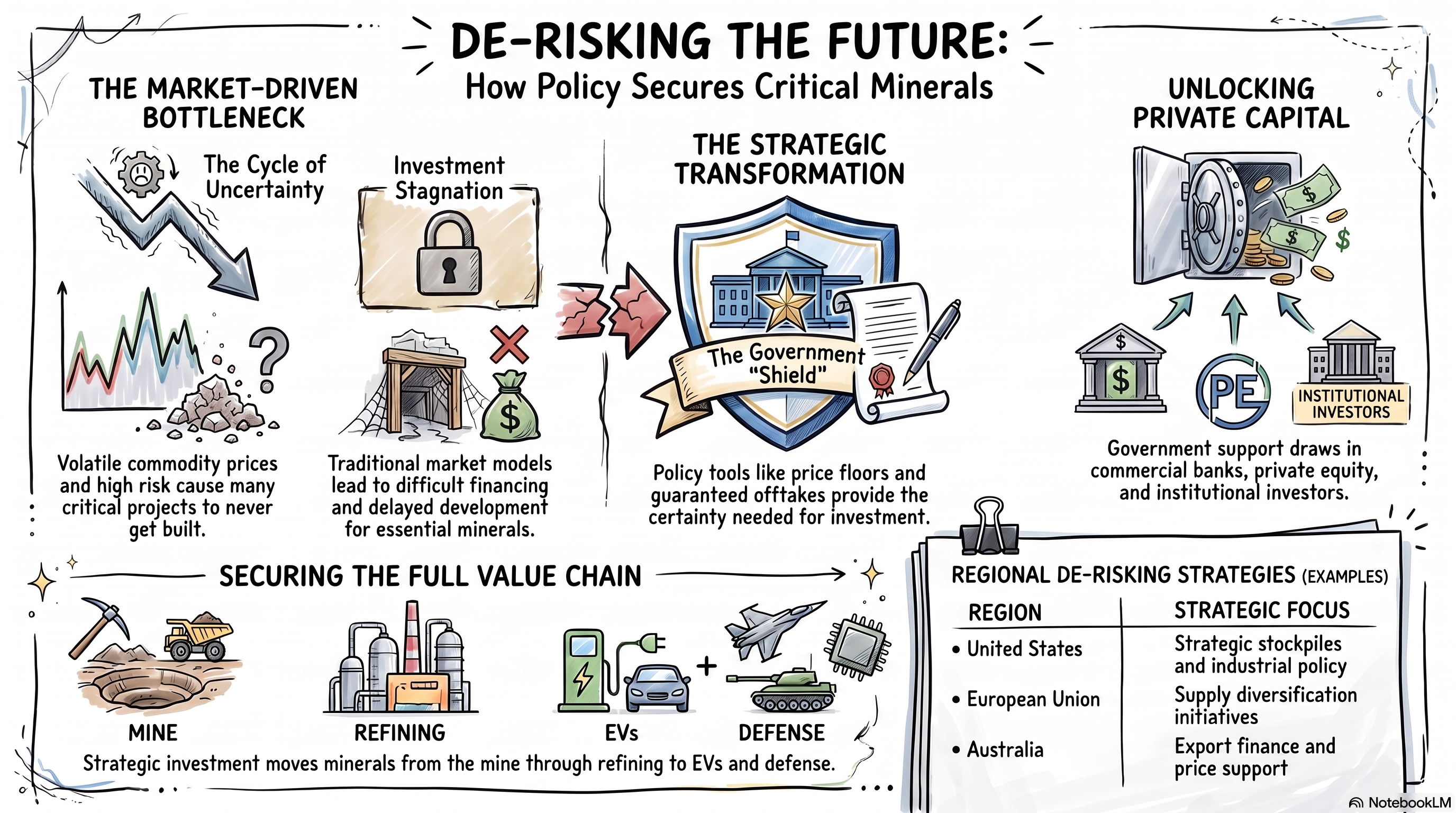
Expanding state strategic copper reserves (government-controlled stockpiles).
Subsidising smelters to hold larger commercial inventories (via interest subsidies).
Potentially adding copper concentrate (upstream material) into reserves, not just refined copper.
This is not price stabilisation anymore — this is supply security policy.
2. Why now?
This move is defensive and competitive, not coincidental.
Key motivations:
🔹 1. Global stockpiling arms race
US launched “Project Vault” (US$12bn mineral stockpile).
China sees other countries locking up future supply.
If China waits, it risks being priced out later.
👉 This is classic “if you don’t hoard now, you pay later” logic.
🔹 2. Copper is becoming a geopolitical metal
Copper is now essential for:
AI data centers
EVs & charging infrastructure
Power grids
Renewable energy
Military & defense electronics
China is saying:
“Copper is as strategic as oil or rare earths.”
🔹 3. China is signaling strength to the market
This is also strategic signaling:
To miners: supply will be absorbed
To traders: don’t expect China to sell
To rivals: China is locking in future industrial dominance
This explains why prices jumped immediately after the comment.
3. Market impact (short, medium, long term)
🟢 Short term (months)
Bullish price shock
Stockpiling is incremental demand that does not depend on consumption.Higher volatility — rallies followed by sharp pullbacks.
Stockpiling demand is “sticky” — it doesn’t disappear if prices rise.
🟡 Medium term (1–3 years)
Structural price floor moves higher
Inventories become less available to the open market
Smelters get government backing → less distress selling
This reduces downside risk for copper prices.
🔴 Long term (3–10 years)
Copper becomes politically priced, not just economically priced.
Expect:
More export controls
More bilateral supply deals
Less “free market” copper
This mirrors what happened to:
Oil (1970s onward)
Rare earths (post-2010)
Now: Copper
4. Who benefits
✅ Beneficiaries
1. Copper miners (especially low-cost, long-life assets)
Chile, Peru, Indonesia, Africa-focused producers
Strategic metals re-rating likely
Governments hoarding = guaranteed long-term buyer
2. Smelters & refiners (especially in China)
Interest subsidies = balance sheet support
Ability to hold inventory during tight markets
3. Countries with copper reserves
Resource nationalism leverage improves
Expect tougher terms for foreign miners
4. Long-term copper bulls / thematic investors
Copper shifts from cyclical commodity → strategic asset class
❌ Losers / pressured players
1. Copper-intensive manufacturers
EV makers
Grid equipment suppliers
Appliance & electronics firms
They face cost inflation without pricing power.
2. Late buyers / spot-dependent users
Those without long-term contracts
Smaller industrial users
5. What actions can stakeholders take?
🏦 Investors
Strategic view
Treat copper like energy security, not a trade.
Accumulate on volatility, not chase spikes.
Watch for
New mine approvals (very slow)
Resource nationalism headlines
Export restrictions / stockpile announcements
🏭 Industrial users
Lock in long-term supply contracts
Invest in recycling
Accelerate material substitution (aluminum, composites where feasible)
🌍 Governments
Expect:
Strategic stockpiles
Domestic refining incentives
“Friendly supply chain” deals
If you don’t have copper security, you don’t have energy security.
6. Big picture takeaway
This is the most important part 👇
Copper is no longer just a growth story.
It is a sovereignty story.
When:
US stockpiles
China stockpiles
Investors hoard
Inventories disappear
Prices stop reflecting demand alone — they reflect fear of future scarcity.
That’s why this move adds fuel to the rally, even at record highs.