🟦 1. The Event (FACT)
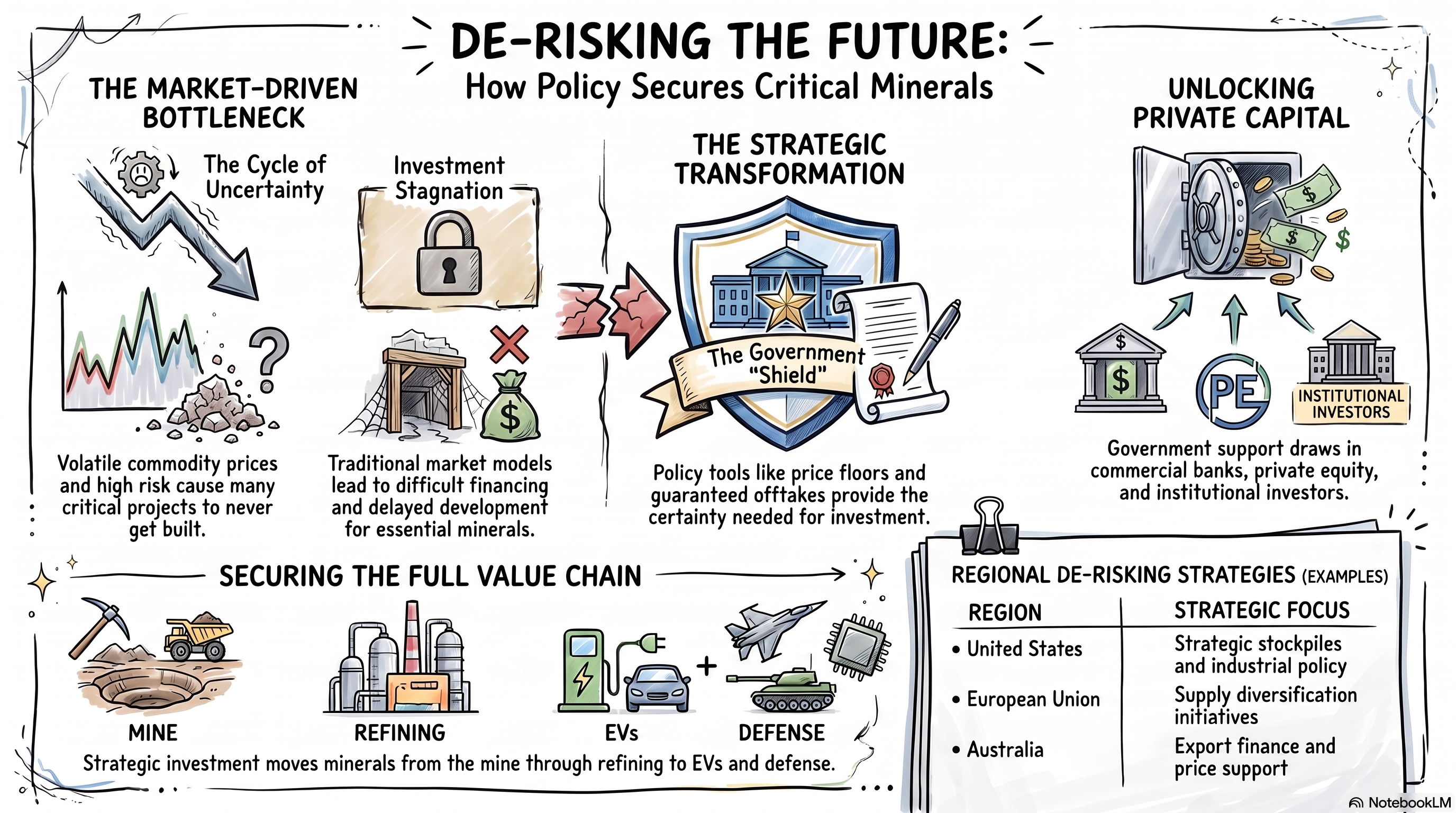
The US hosted a critical minerals summit involving 55 countries, where the US, EU, Japan and Mexico agreed to pursue price floors, coordinated policies and a future multilateral trade agreement to secure critical mineral supply chains and reduce dependence on China. The summit followed the US announcement of a US$12 billion strategic critical minerals stockpile (Project Vault) and expanded use of export-credit and private equity financing.
🟨 2. Affected Channels (MECHANISM)
Supply: Coordinated efforts to diversify critical mineral production and refining away from China
Financing: Price floors, government-backed loans and private equity crowd-in for mining and processing
Regulation: Emerging multilateral frameworks governing critical mineral trade
Trade / Logistics: Potential redirection of mineral flows toward US-aligned supply chains
Sentiment: Heightened policy focus on supply-chain security for strategic materials
🟩 3. Malaysia Exposure (WHO)
Exposed sectors: Electronics & electrical (E&E), semiconductors, solar manufacturing, EV-related manufacturing, data centres
Company types: Malaysian downstream manufacturers reliant on imported rare earths and critical minerals
Geographic relevance: Malaysia as a key non-China refining hub (second-largest rare earth processing capacity globally) and regional manufacturing base
🟧 4. What to Watch (SIGNALS)
New bilateral or multilateral critical minerals agreements involving ASEAN or Malaysia
Changes in export controls, trade rules or preferential sourcing requirements affecting manufacturers
Increased foreign interest or policy attention toward non-China refining hubs
Corporate disclosures on supply-chain diversification or compliance with new critical mineral frameworks
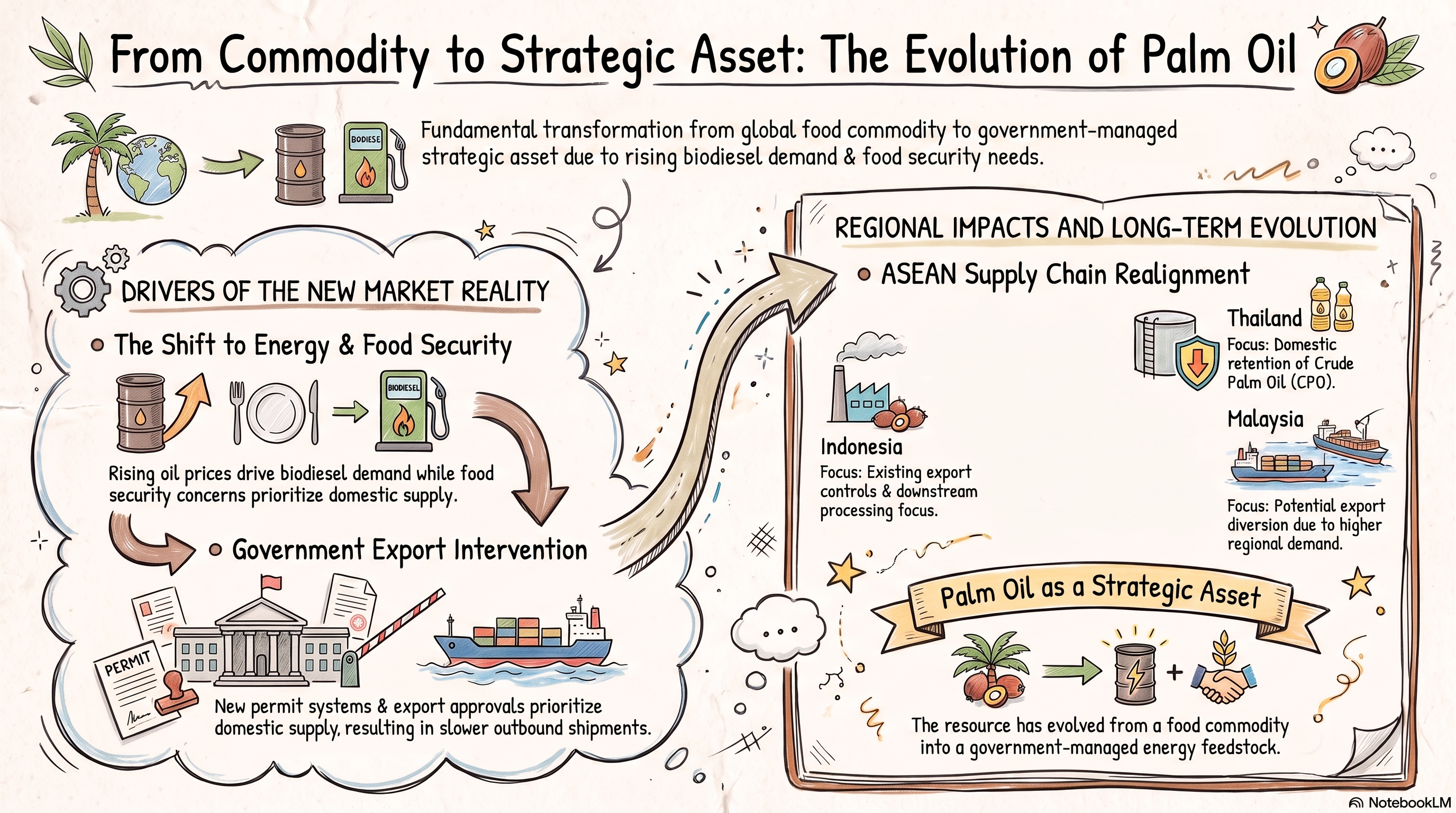
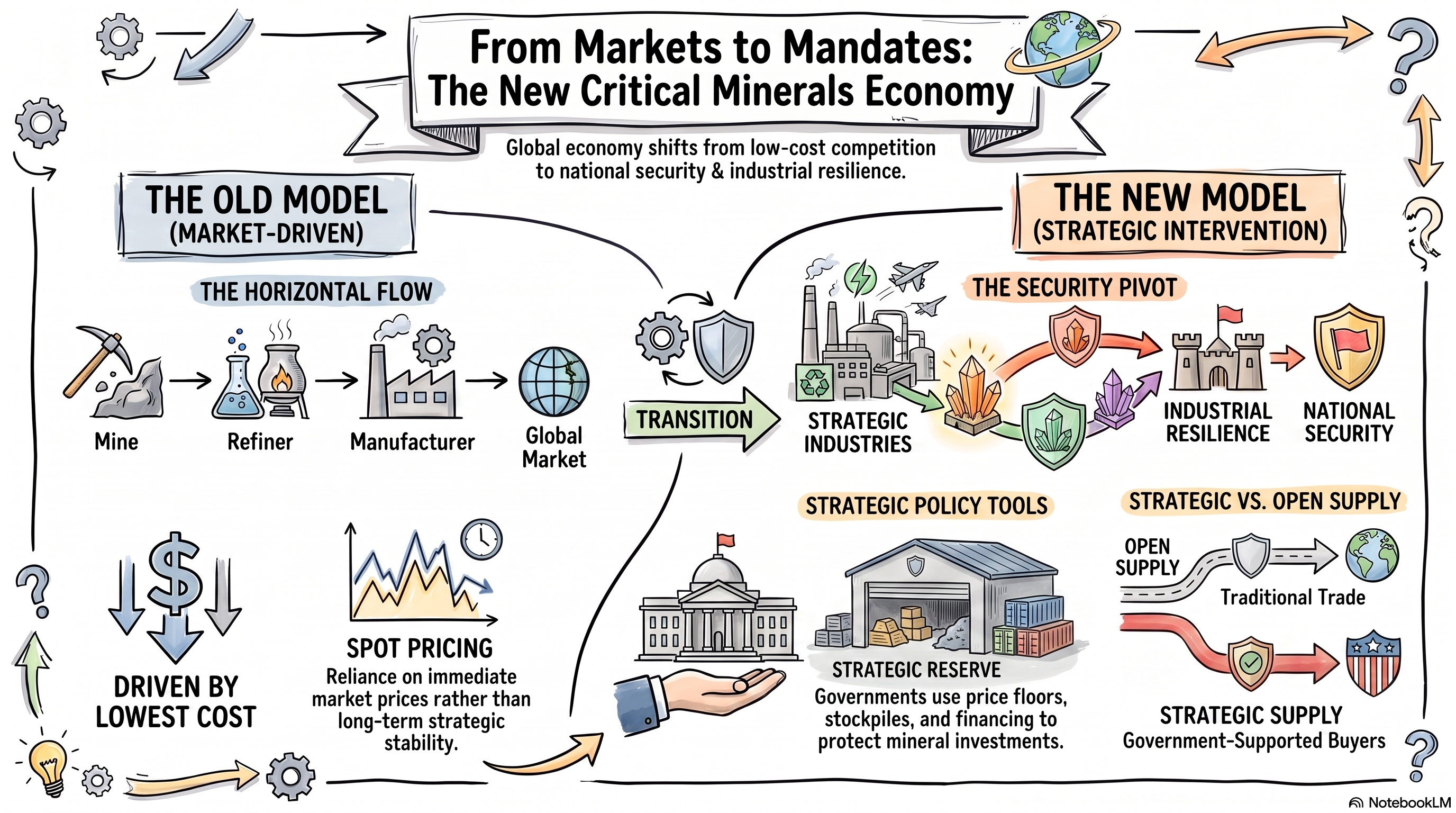
US-led price floors mark a shift from “free market minerals” to managed strategic supply
Key Insights
This is industrial policy, not trade talk
Price floors + stockpiles + state-backed lending = managed commodity markets.
The US is effectively saying: critical minerals are too important to leave to volatile spot prices.
Price floors are the real game-changer
This directly targets China’s playbook of oversupplying to crush competitors’ margins.
It de-risks investment returns for:
Miners
Refiners
Processing facilities
Without price floors, Western mines simply don’t get built.
Private equity is being “crowded in”, not replaced
The US isn’t nationalising minerals — it’s de-risking them.
Government provides:
Floor prices
Loans
Stockpile demand
Private capital provides:
Scale
Speed
Execution
This is becoming a bloc-vs-bloc system
US, EU, Japan, Mexico coordinating
China explicitly calling this “small groups”
This confirms critical minerals are now geopolitics, not commodities
Price stability > low prices
JD Vance’s comment is key: volatility is the enemy, not absolute price.
Governments are prioritising predictability over cheap inputs.
Interpretation: What the US is really doing
The US is building a parallel minerals system:
Preferential trade zone
Coordinated price floors
Strategic stockpiles
Friendly-country sourcing
This mirrors:
OPEC-style coordination (but for inputs, not energy)
Cold War–era stockpiling logic
Semiconductor CHIPS Act logic, but upstream
It’s also an admission:
“We cannot outcompete China on cost. So we will compete on rules.”
Expected Policy Changes (Next 6–18 months)
Formal minimum price guarantees
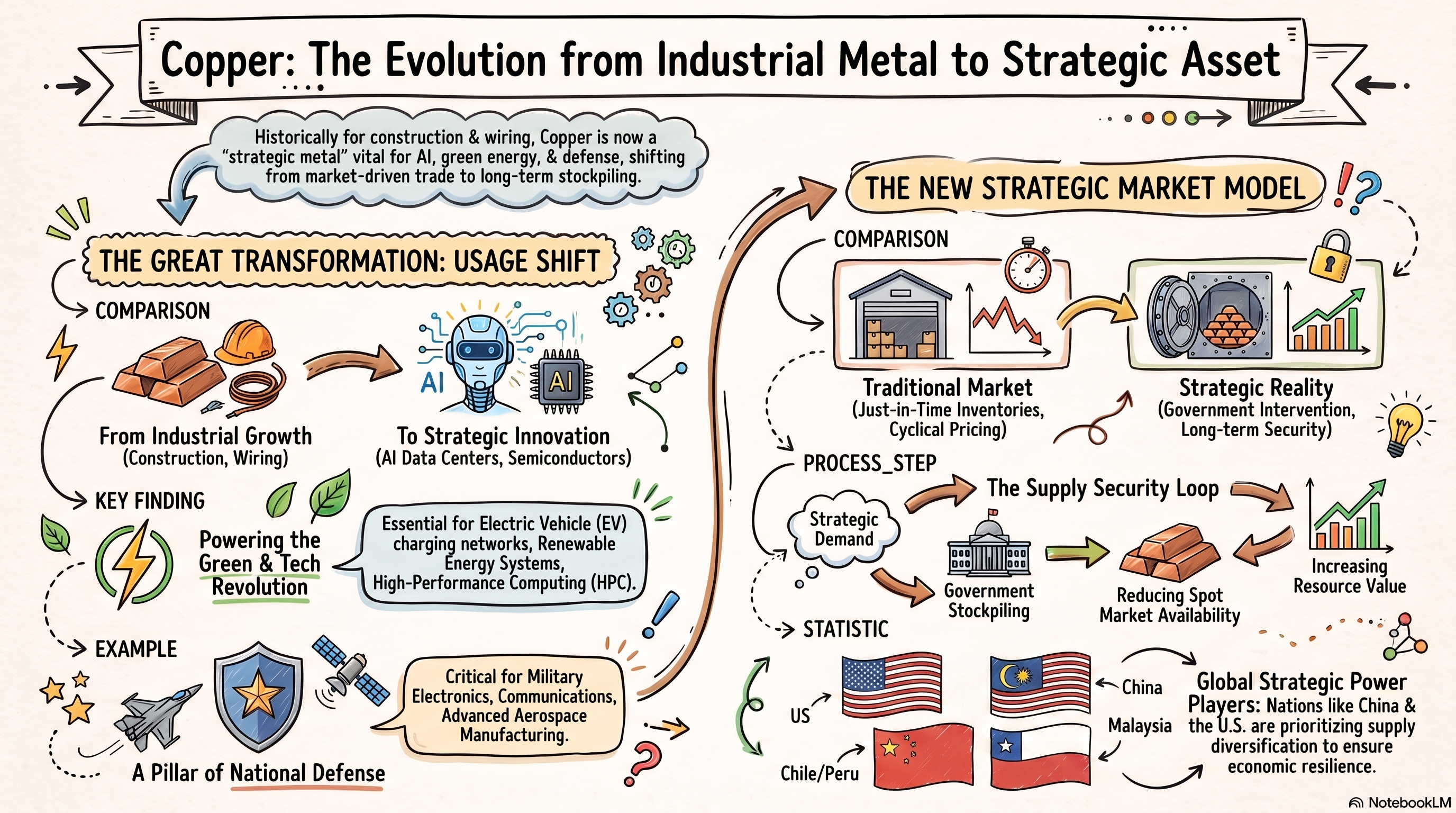
Likely metal-by-metal (rare earths, lithium, copper, nickel, gallium)
Possibly indexed to production cost + margin
Long-term offtake agreements
Governments or state-backed entities as anchor buyers
Similar to LNG offtake models
Preferential trade rules
Faster customs
Tariff exemptions
Priority access during shortages
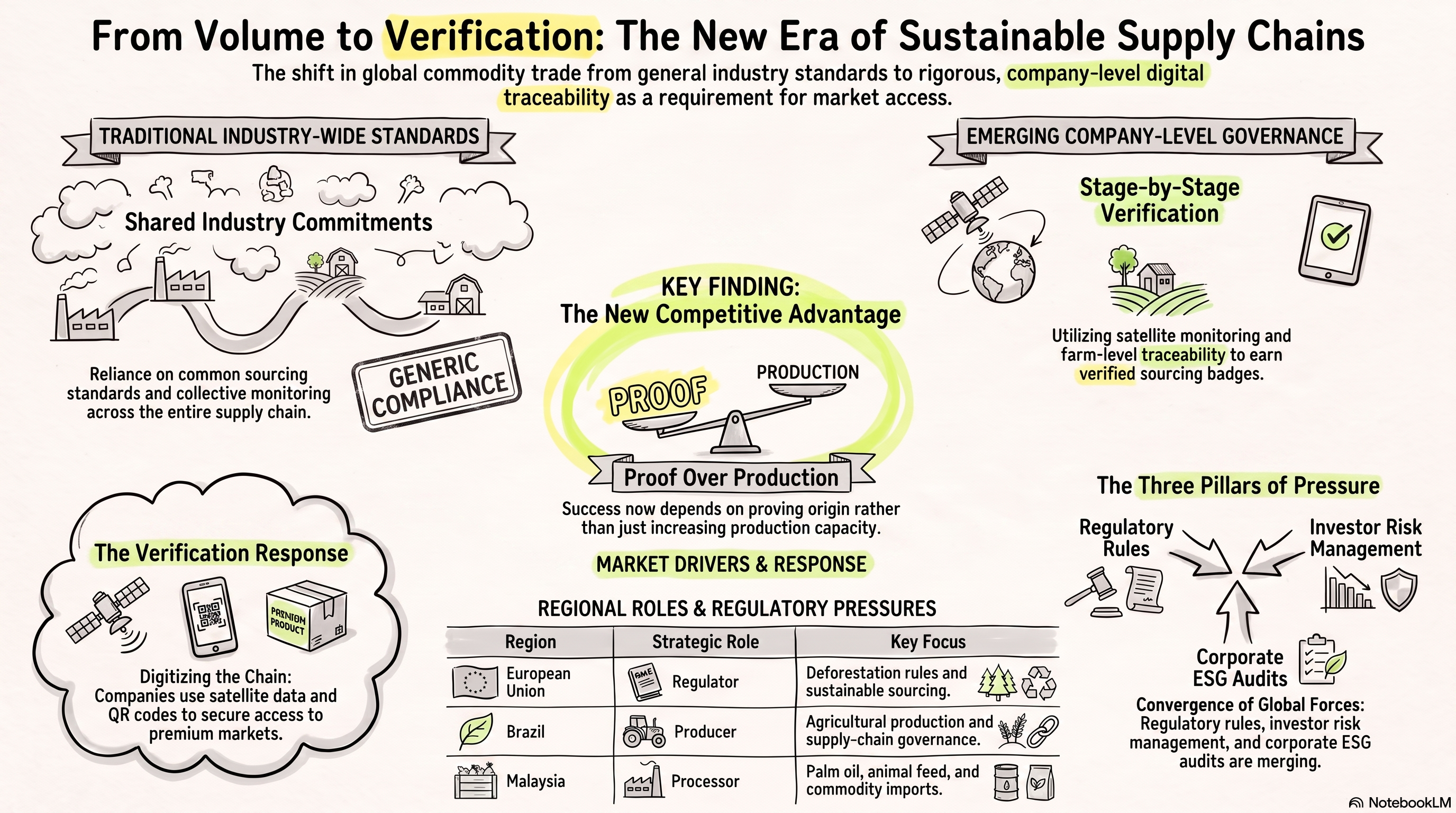
Tighter ESG + “friendly country” filters
Not just clean supply — politically aligned supply
Who Are the Beneficiaries
Direct Winners
Non-Chinese miners & processors
Australia, Canada, US, parts of Africa (via Western capital)
Especially projects previously “uneconomic”
Rare earth processors outside China
Lynas-style players
Anyone moving downstream (refining, separation)
Private equity & infrastructure funds
Lower risk, quasi-sovereign backing
Long-duration, inflation-linked returns
Export credit agencies
Ex-Im (US), EFA (Australia), JBIC (Japan)
They become balance-sheet enablers of strategy
Secondary Winners
Industrial land & power infrastructure
Refineries, processing plants, magnet factories need:
High power
Water
Logistics
This feeds directly into:
Industrial parks
Grid upgrades
Data-centre-adjacent zones
Shipping, storage, and warehousing
Stockpiling means physical inventory
That’s storage, insurance, handling, security
Commodity traders
Those aligned with the new blocs
Arbitrage between controlled and open markets
Who Loses / Faces Pressure
China’s downstream leverage
Still dominant, but pricing power erodes if buyers coordinate.
High-cost marginal producers without state backing
If you’re not in the “club”, you’re exposed.
Pure spot-market strategies
Volatility may reduce, but so does speculative upside.
What Investors Can Do
Equity Investors
Tilt toward:
Critical minerals producers in US-aligned countries
Companies with government offtake or price support
Be cautious with:
Pure China-exposed commodity plays
Private Capital / Strategic Investors
Look for:
Early-stage processing assets
Projects stalled due to price volatility, not geology
Partner with:
Export credit agencies
Sovereign-linked funds
Southeast Asia Angle
Malaysia already has ~4% of global rare earth refining
Potential upside:
Processing hub
Neutral-but-aligned manufacturing base
Beneficiary of “China+1” mineral flows
Bottom Line
This summit marks the end of laissez-faire critical minerals markets.
We’re moving into:
Managed prices
Strategic stockpiles
Politically aligned supply chains
If this works, future historians will look back and say:
“This is when minerals became treated like defence assets.”