🟦 1. The Event (FACT)
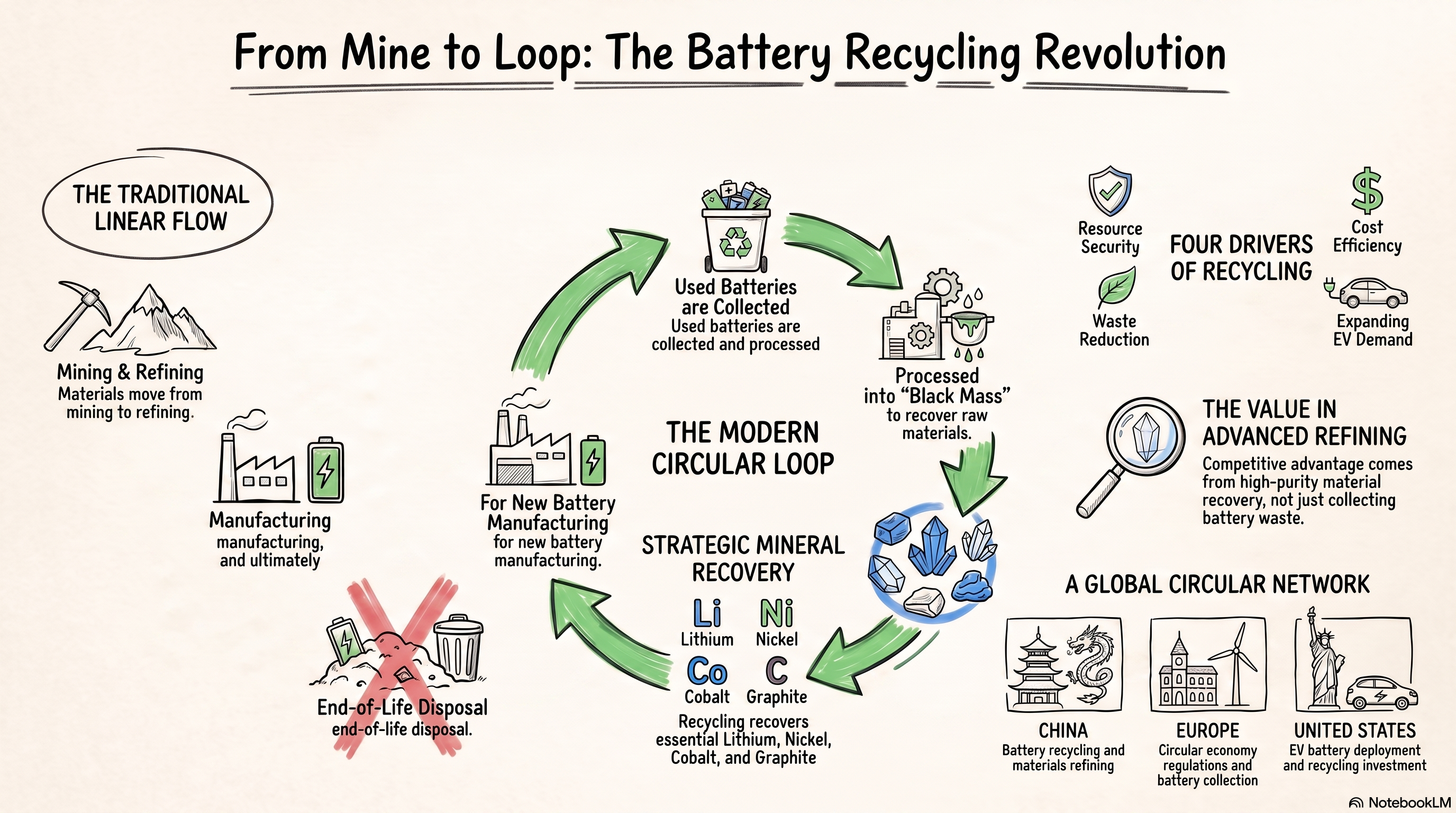
China has reduced import tariffs on certain lithium-ion battery scrap (“black mass”) from 6.5% to 3%, effective 1 January 2026, as part of efforts to support its battery recycling industry.
The policy targets scrap containing lithium, nickel, cobalt, or from lithium-iron-phosphate batteries, following initial import relaxations from August 2025.
🟨 2. Affected Channels (MECHANISM)
Supply: Increased potential inflows of battery scrap to Chinese recyclers
Cost: Lower tariffs reduce import costs for eligible scrap
Trade / Logistics: Import flows from Europe, US, and other regions may adjust
Sentiment: Market perception of Chinese support for battery recycling sector
🟩 3. Malaysia Exposure (WHO)
Exposed sectors: EV battery recycling, e-waste processing, battery materials trading
Company types: Malaysian battery recyclers, EV battery component suppliers, commodity brokers handling battery scrap
Geographic relevance: Nationwide, with emphasis on regions exporting battery scrap to China or supplying feedstock to local recyclers
🟧 4. What to Watch (SIGNALS)
Import volumes of battery scrap from Malaysia to China or regional hubs
Domestic battery scrap processing and recycling activity
Pricing trends for black mass and EV battery feedstock
Corporate announcements on recycling capacity expansions or technological upgrades
Regulatory updates on content standards and import eligibility for black mass
1. What is actually happening
China cut the import tariff on lithium-ion battery “black mass” from 6.5% → 3%.
On the surface: a small tariff tweak.
In reality: a stress signal from China’s battery recycling ecosystem.
This tells us:
China’s recyclers don’t have enough feedstock
Domestic battery scrap supply is insufficient relative to installed capacity
Recycling is becoming strategically important as China tries to:
Reduce reliance on mined lithium, nickel, cobalt
Stabilise EV supply chains
Control material costs long term
2. Why China is doing this now
a) Overcapacity problem
China dominates black mass processing, but:
Too many recycling plants were built
Utilisation rates are low
Margins are under pressure
This mirrors patterns in:
Steel
Solar
Chemicals
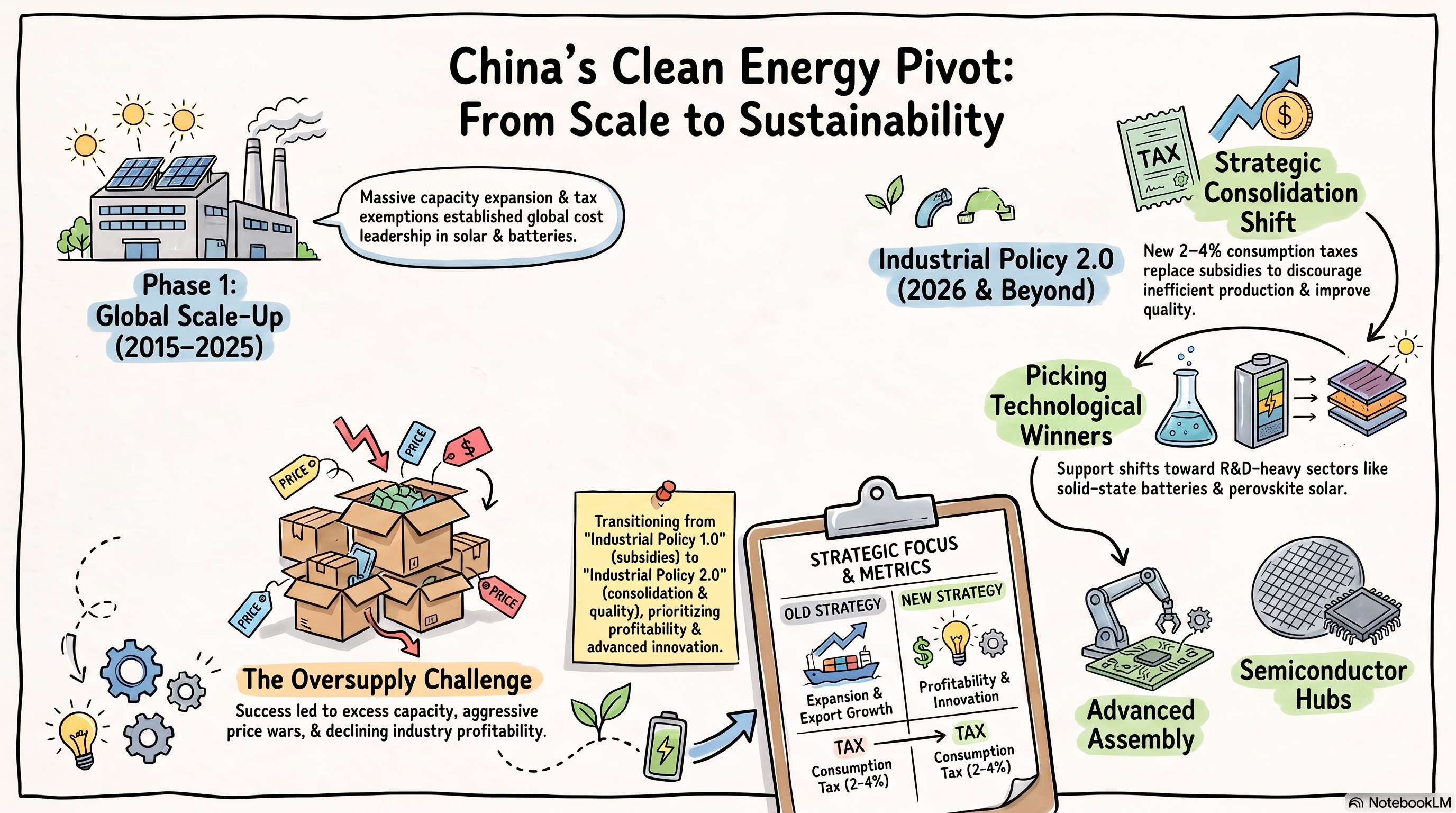
Tariff cuts are a demand-side patch to keep plants running.
b) Strategic pivot: “urban mining” over natural mining
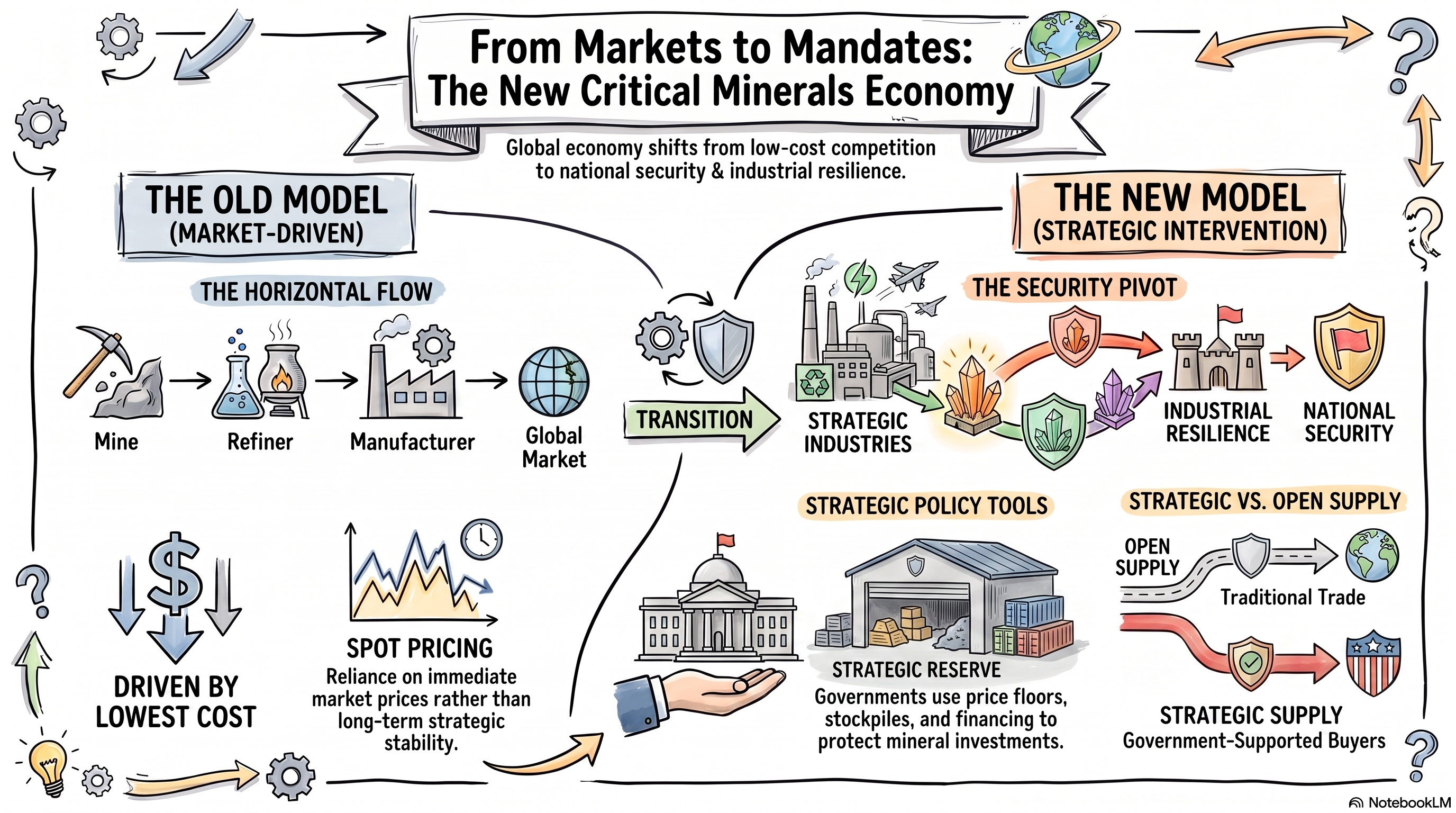
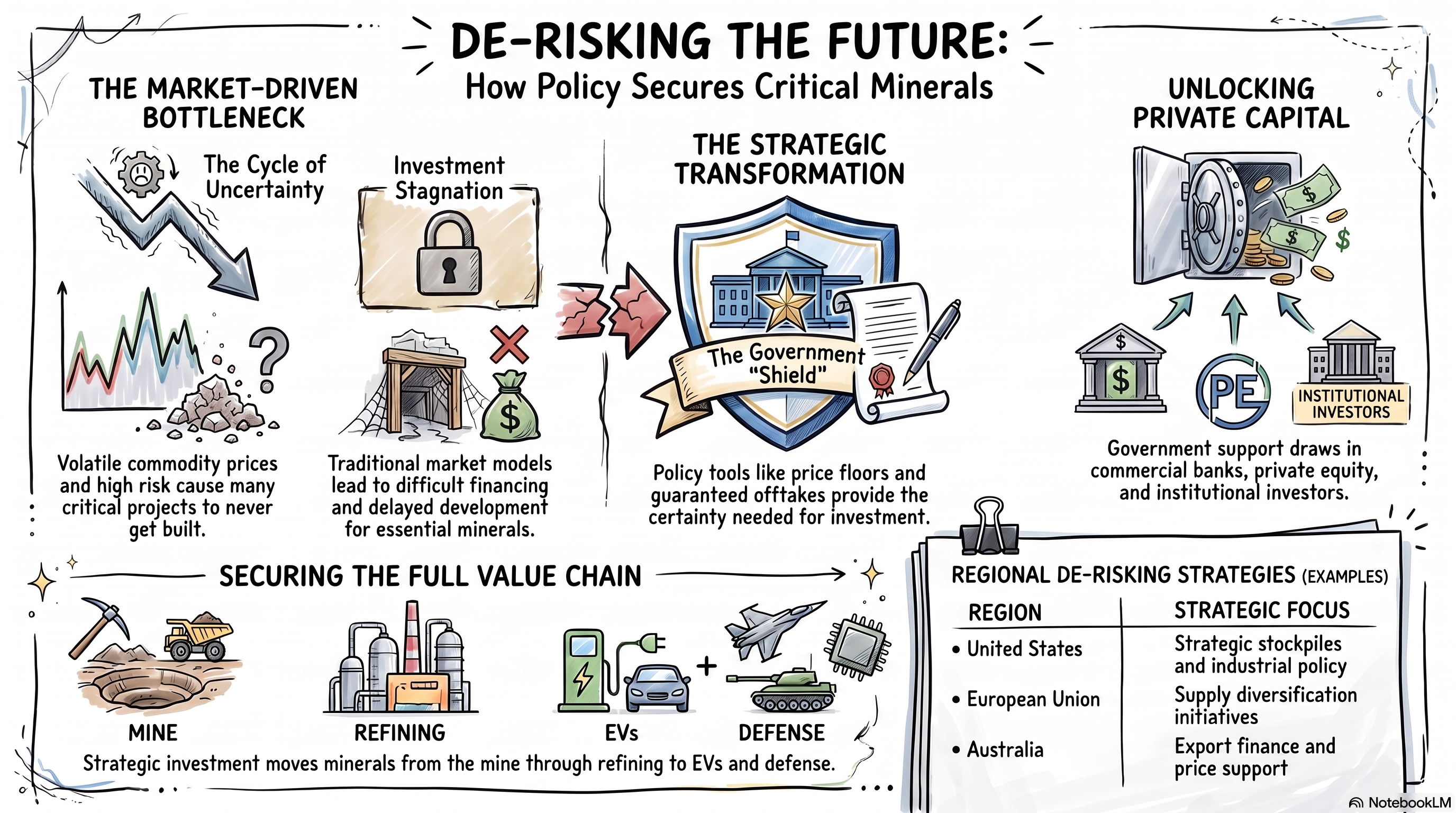
Battery recycling is no longer just ESG-driven — it’s industrial policy.
China wants:
Secondary supply of critical minerals
More control over upstream EV inputs
Less exposure to geopolitical mining risks
Lower tariffs = making recycled inputs more competitive vs mined ores.
c) The August relaxation wasn’t enough
China already:
Relaxed import restrictions
Allowed certain LFP, nickel, cobalt-containing scrap
But flows remained weak because:
Standards are extremely strict
Most Western black mass fails fluoride and impurity thresholds
So the tariff cut is a secondary lever after regulatory easing underperformed.
3. Why the impact is limited
This is not a floodgate opening.
Key constraints remain:
Strict chemical composition rules
Water-soluble fluoride limits
Quality and traceability requirements
As a result:
Only high-quality black mass qualifies
Trade volumes won’t surge overnight
Southeast Asia & South Korea already had tariff advantages
So this move is incremental support, not a demand shock.
4. Who benefits — and who doesn’t
Beneficiaries
1. Advanced recyclers (China & overseas)
Those with purification, pre-treatment, and chemical control tech
Firms that can “upgrade” Western scrap to China-compliant standards
2. Technology providers
Pre-processing
Fluoride removal
Hydrometallurgical optimisation
This quietly shifts value from:
raw scrap suppliers → processing technology owners
Limited / marginal winners
Western scrap exporters
Only if they can meet standards
Or partner with Asian pre-processors
Otherwise tariff cut is irrelevant
Losers / pressure points
Low-end Chinese recyclers
More competition for feedstock
Margin compression continues
Likely consolidation ahead
This policy actually accelerates survival-of-the-fittest.
5. What investors should do
A) Battery materials & recycling investors
Don’t chase volume stories.
Focus on:
Technology depth
Recovery rates
Regulatory compliance capability
Avoid:
“China demand reopening” narratives
Low-barrier recycling capacity plays
B) EV & battery supply chain strategists
This reinforces a trend:
Recycling is becoming a core input, not a side activity
Future winners control closed-loop ecosystems
Expect:
More long-term offtake agreements
Vertical integration between OEMs, recyclers, refiners
C) ASEAN & Korea stakeholders
There’s an opportunity here:
Act as pre-processing hubs
Upgrade scrap before exporting to China
Capture margin China is outsourcing indirectly
6. Big picture takeaway
This isn’t about tariffs.
It’s about China admitting:
Recycling capacity ran ahead of reality
Mined supply isn’t the only strategic concern anymore
The next phase of EV competition is materials efficiency, not just production scale
The winners won’t be:
Those with the most scrap
But those who can turn messy scrap into compliant, high-grade feedstock.