🟦 1. The Event (FACT)
China announced it will regulate crude steel output and ban illegal new capacity from 2026 to 2030, continuing policies to curb overcapacity and carbon emissions.
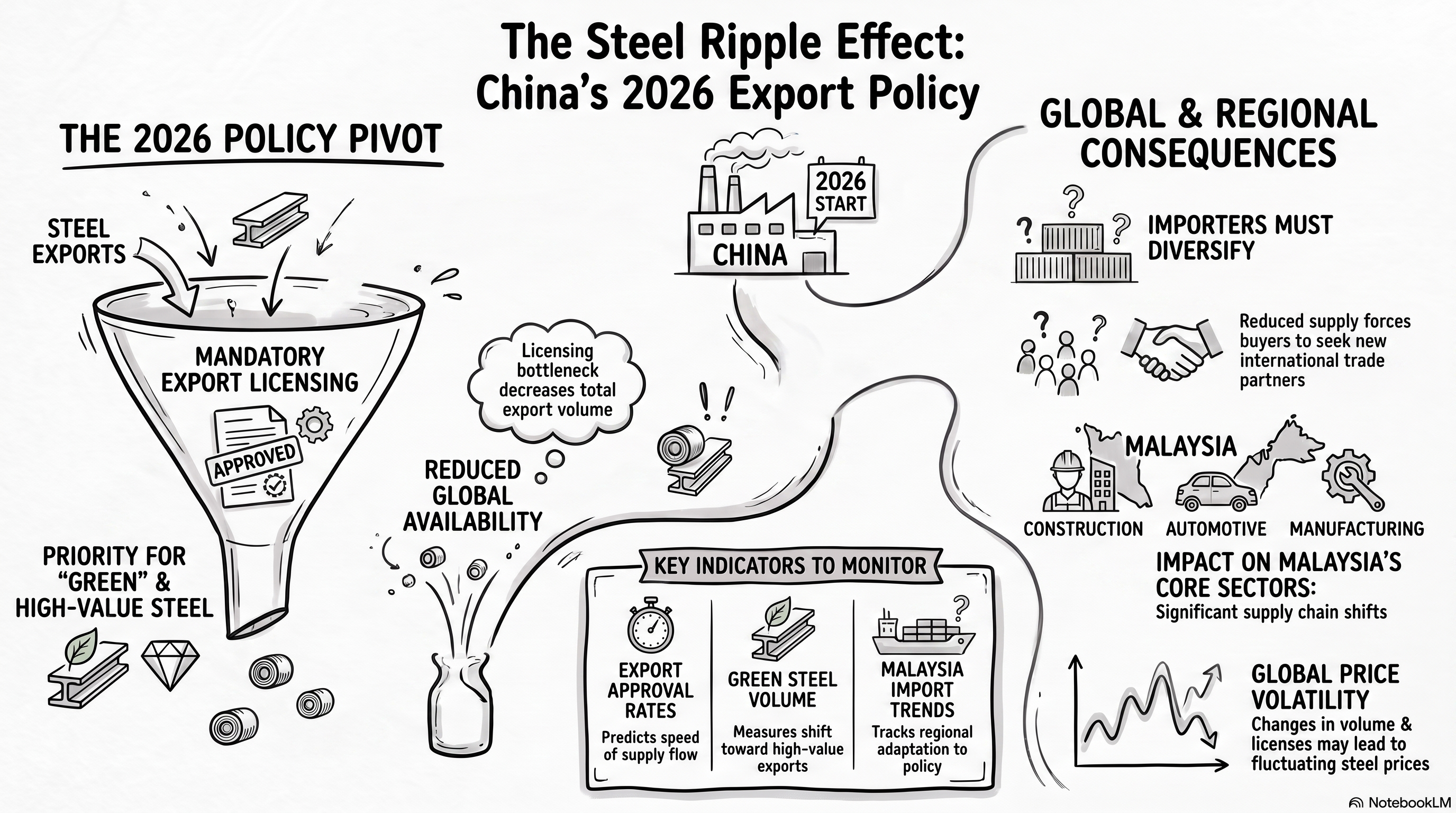
Additionally, China will implement a licensing system for exports of around 300 steel-related products starting 2026.
🟨 2. Affected Channels (MECHANISM)
Supply: Controlled domestic crude steel output; prohibition of new capacity
Trade / Logistics: Export licensing may limit certain steel shipments
Cost: Potential effects on production economics due to output restrictions
Sentiment: Market awareness of supply tightening and regulatory oversight
🟩 3. Malaysia Exposure (WHO)
Exposed sectors: Steel production, construction, automotive, infrastructure, industrial manufacturing
Company types: Malaysian steel importers, downstream manufacturers using steel (construction, automotive, machinery), infrastructure developers
Geographic relevance: Nationwide, with higher impact on regions reliant on Chinese steel imports
🟧 4. What to Watch (SIGNALS)
Import volumes of Chinese steel products to Malaysia
Domestic steel inventory levels and pricing trends
Procurement adjustments by construction, automotive, and industrial firms
Export licensing notifications from Chinese suppliers
News of capacity consolidation or closures in Chinese steel firms
1. What the Announcement Means
a) Domestic Output Regulation (2026–2030)
Crude steel production will continue to be regulated, with new illegal capacity prohibited.
This follows the 2021 policy to cap steel output to meet carbon emission targets.
Domestic steel consumption remains weak due to the property market downturn, leaving overcapacity in the sector.
2025 production trend: ~4% decline YoY in first 11 months; annual output expected below 1 billion tons, first time in six years.
b) Supply-Side Reform
NDRC emphasizes “survival of the fittest” — inefficient producers may exit or consolidate.
Policy aims:
Balance supply-demand in raw materials (steel, iron ore, etc.)
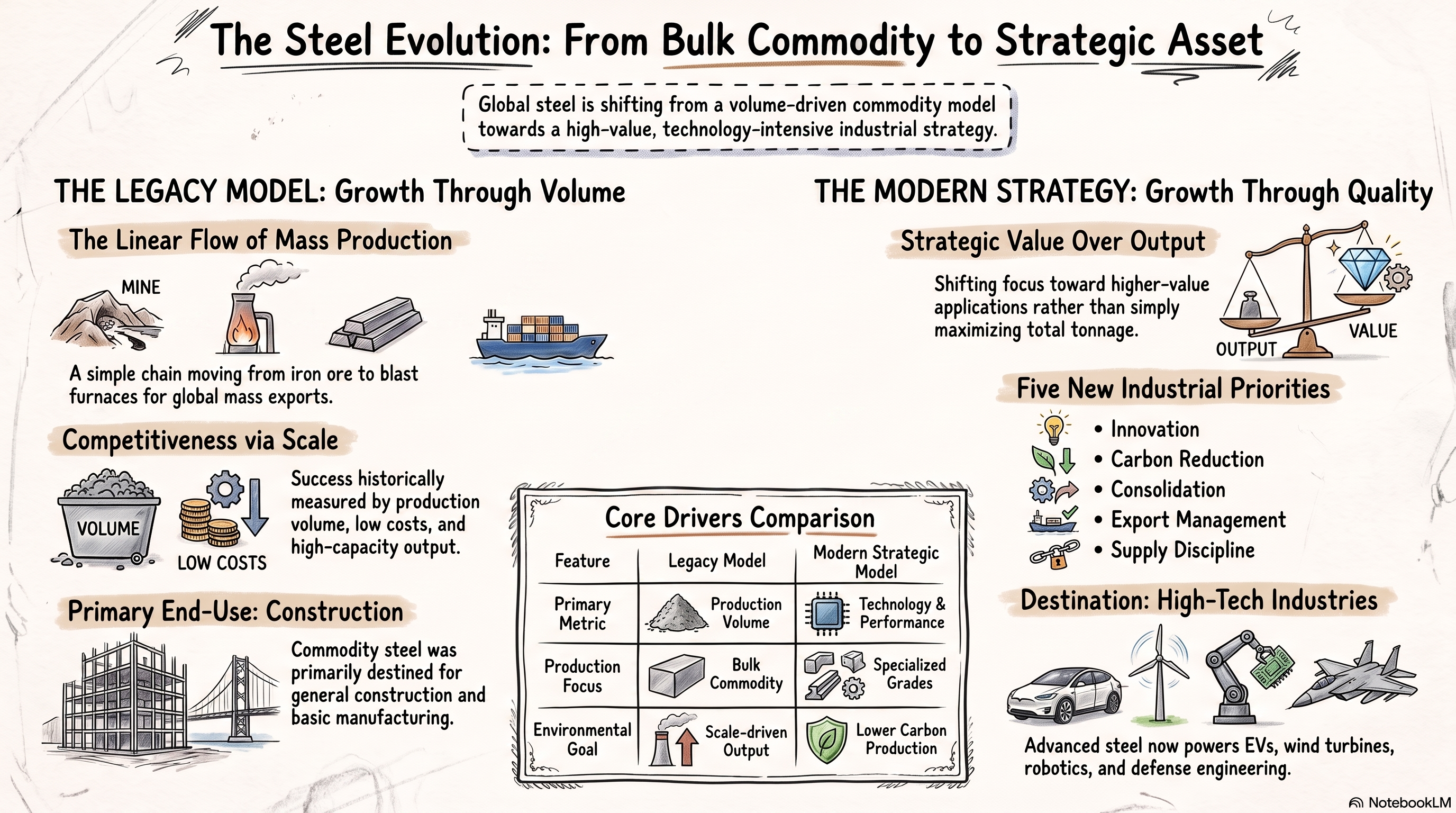
Promote industrial upgrading and consolidation
Support environmental and carbon targets
c) Export Licensing
From 2026, China will implement a licensing system for ~300 steel-related products.
Purpose:
Control volume of low-value exports
Respond to international trade protectionist measures
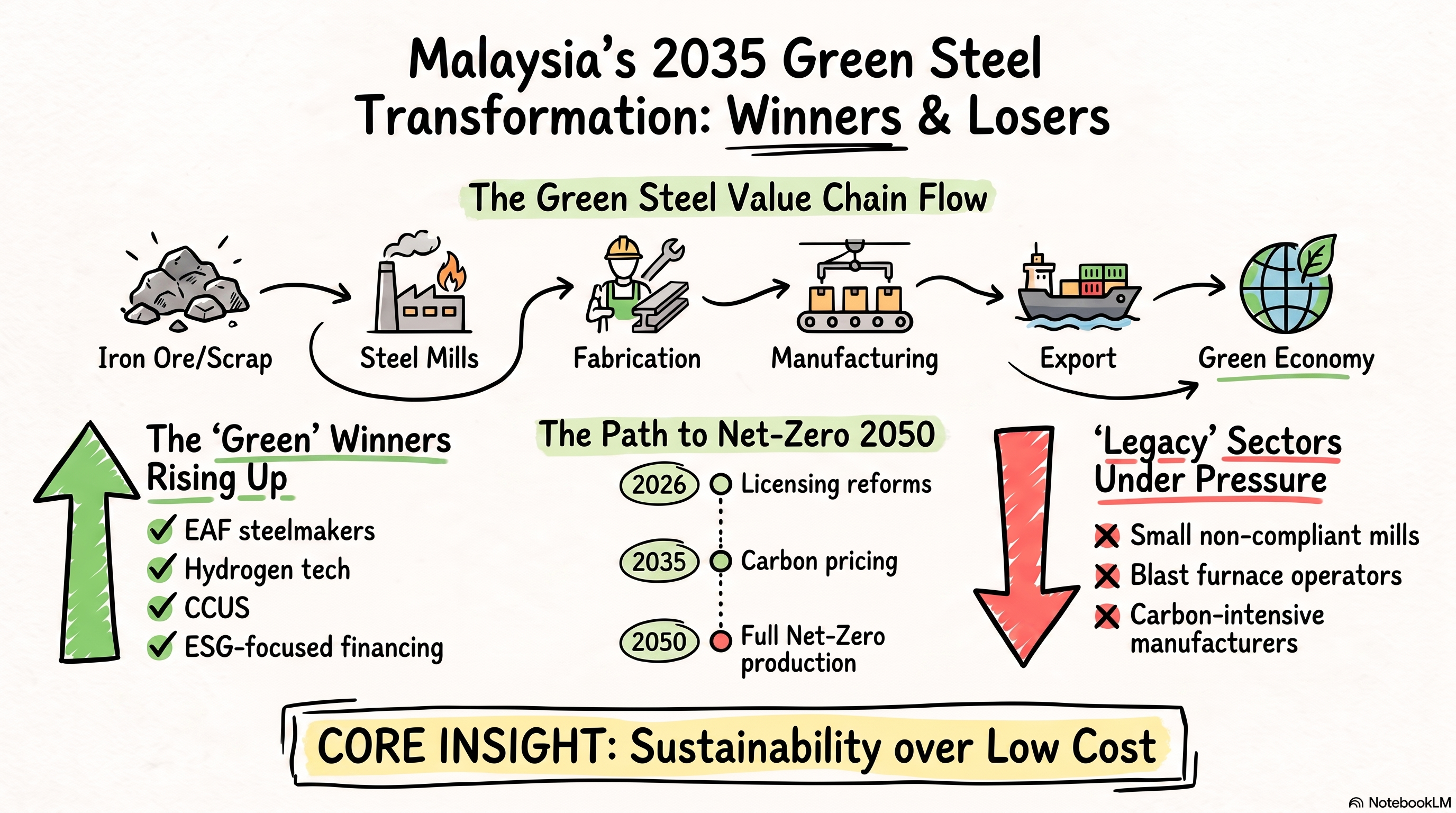
Encourage a shift toward high-end or “green” steel production
2. Strategic Implications
Area | Implications | Opportunities | Risks |
Domestic steel industry | Limited growth; inefficient producers may exit | Larger, efficient firms can consolidate and gain market share | Small/inefficient producers face closure; domestic supply tightness in some segments |
Exports | Licensing restricts low-end exports; high-end/green steel favored | Potential for higher-value steel exports; aligns with environmental goals | Trade friction and compliance burden; slower export growth for low-end steel |
Global steel market | Less low-cost supply from China; potential for tighter global markets | Non-Chinese producers may benefit from higher prices | Volatility in pricing; potential retaliatory trade measures |
Raw material demand | Iron ore and scrap demand may stabilize due to controlled steel output | Strategic sourcing and pricing opportunities | Risk of oversupply if output control enforcement is uneven |
Macro angle:
China continues to balance industrial, environmental, and international trade goals, emphasizing controlled output, consolidation, and green transition.
3. Market & Industry Reaction
Domestic production decline: reinforces overcapacity correction and supports prices for efficient producers.
Exports licensing: adds regulatory certainty but limits low-value steel exports; potential price support in international markets.
Trade tensions: other countries may maintain or expand protective measures against Chinese steel.
4. Potential Actions
For Steel Producers
Upgrade production to high-value, environmentally compliant steel to remain competitive.
Plan for consolidation opportunities by acquiring smaller or distressed producers.
Align with export licensing compliance to maintain international market access.
For Investors
Focus on large, efficient, state-backed steel firms benefiting from output caps and consolidation.
Monitor iron ore, scrap, and alloy markets for pricing changes due to output control.
Consider global trade dynamics; non-Chinese producers may gain pricing leverage.
For Commodity Traders
Adjust sourcing strategies anticipating limited low-end steel exports.
Factor in potential price volatility and shipping constraints under licensing regime.
For Policymakers / Trade Analysts
Track trade reactions globally; anticipate tariffs, anti-dumping measures, or export negotiations.
Assess carbon compliance and green steel transition metrics for policy alignment.
5. Bottom Line
China is continuing strict output controls for crude steel while introducing a steel export licensing system.
Short-term effects: supply stabilization, potential price support domestically, and tightened low-end exports internationally.
Medium- to long-term effects: industry consolidation, shift toward high-end and green steel, stronger environmental alignment, and continued global trade tensions.