🟦 1. The Event (FACT)
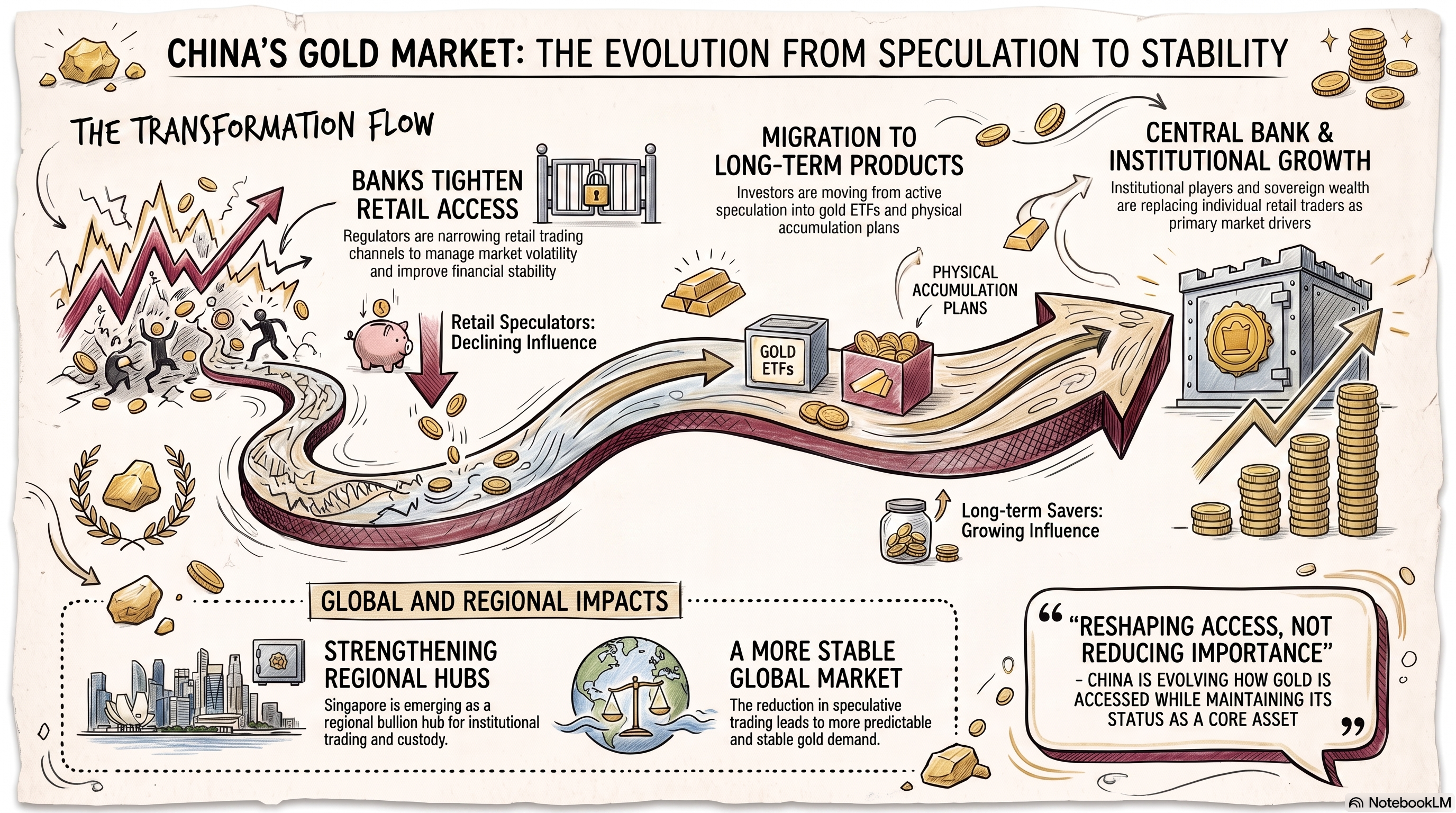
China’s National Financial Regulatory Administration launched a pilot program allowing 10 insurance companies to invest in gold, effective 7 February 2025.
The program defines investment scope, pre- and in-investment management, and reporting/supervision requirements.
🟨 2. Affected Channels (MECHANISM)
Demand: Institutional demand for gold from insurance funds
Regulation: Reporting and supervision requirements for participating insurers
Financing: Allocation of insurance capital into non-traditional assets
Sentiment: Market perception of gold as a strategic, safe-haven asset
🟩 3. Malaysia Exposure (WHO)
Exposed sectors: Insurance, asset management, commodity trading
Company types: Malaysian insurers and fund managers with regional gold exposure, commodity brokers
Geographic relevance: Nationwide, particularly financial centres and investment hubs
🟧 4. What to Watch (SIGNALS)
Announcements of Malaysian insurers or fund managers engaging in gold investments
Changes in domestic gold demand, trading volumes, or ETF flows
Updates on regulatory guidance for institutional commodity investments
Cross-border collaboration or partnerships with Chinese financial entities in gold markets
On 7 Feb 2025, China quietly changed the gold market.
China’s financial regulator approved a pilot allowing insurance funds to invest directly in gold. Only 10 insurers for now — but the signal mattered more than the size.
Why?
China has the second-largest insurance market in the world. Insurance capital is:
Long-term
Patient
Balance-sheet driven (not speculative)
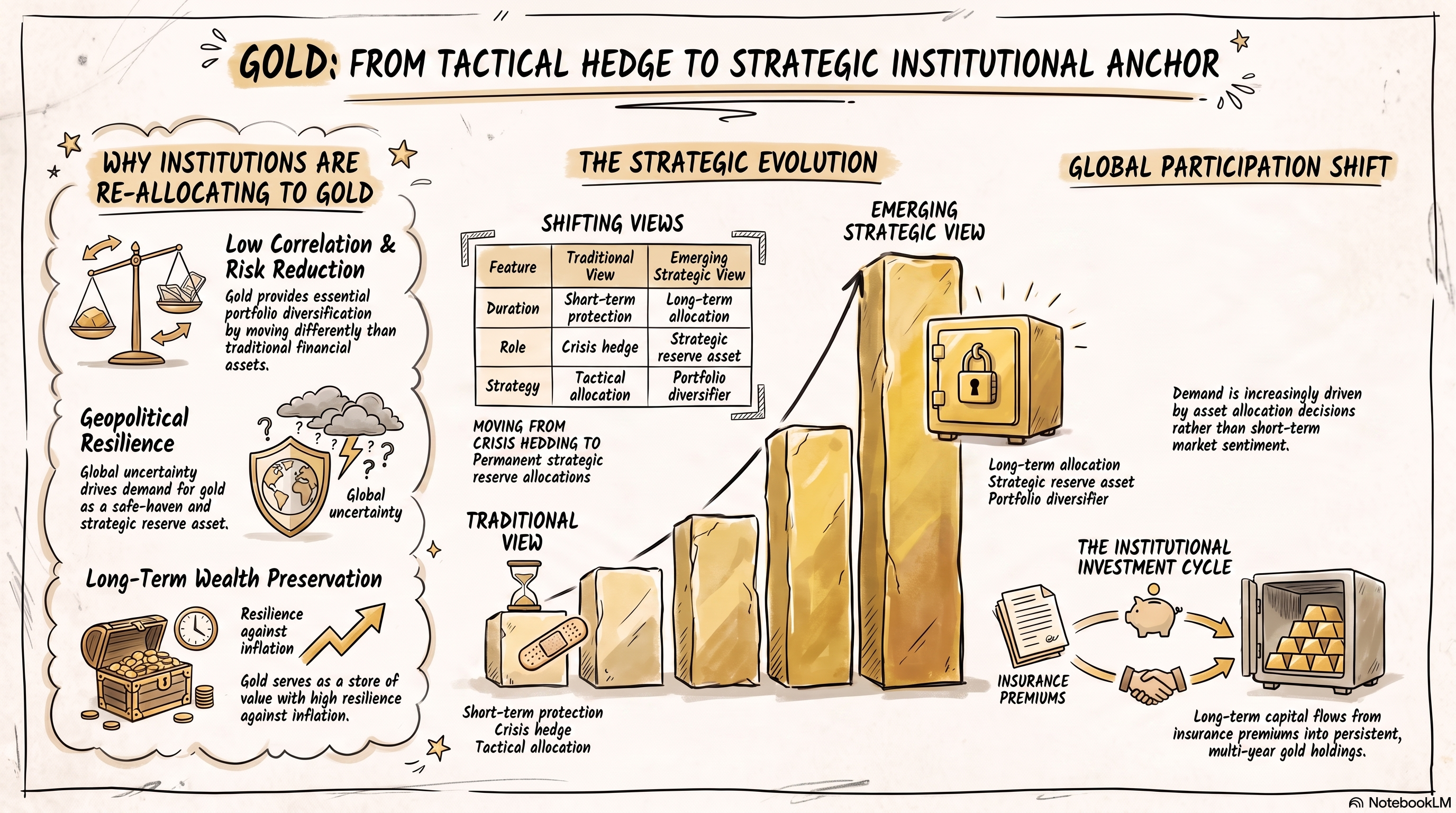
When this type of money is allowed into gold, it’s not chasing momentum — it’s restructuring portfolios.
Gold isn’t new to China.
But this was new demand coming from:
Asset-liability matching
Risk diversification
Protection against global uncertainty
Since then, gold prices have surged.
This wasn’t an accident.
It reflects a broader shift:
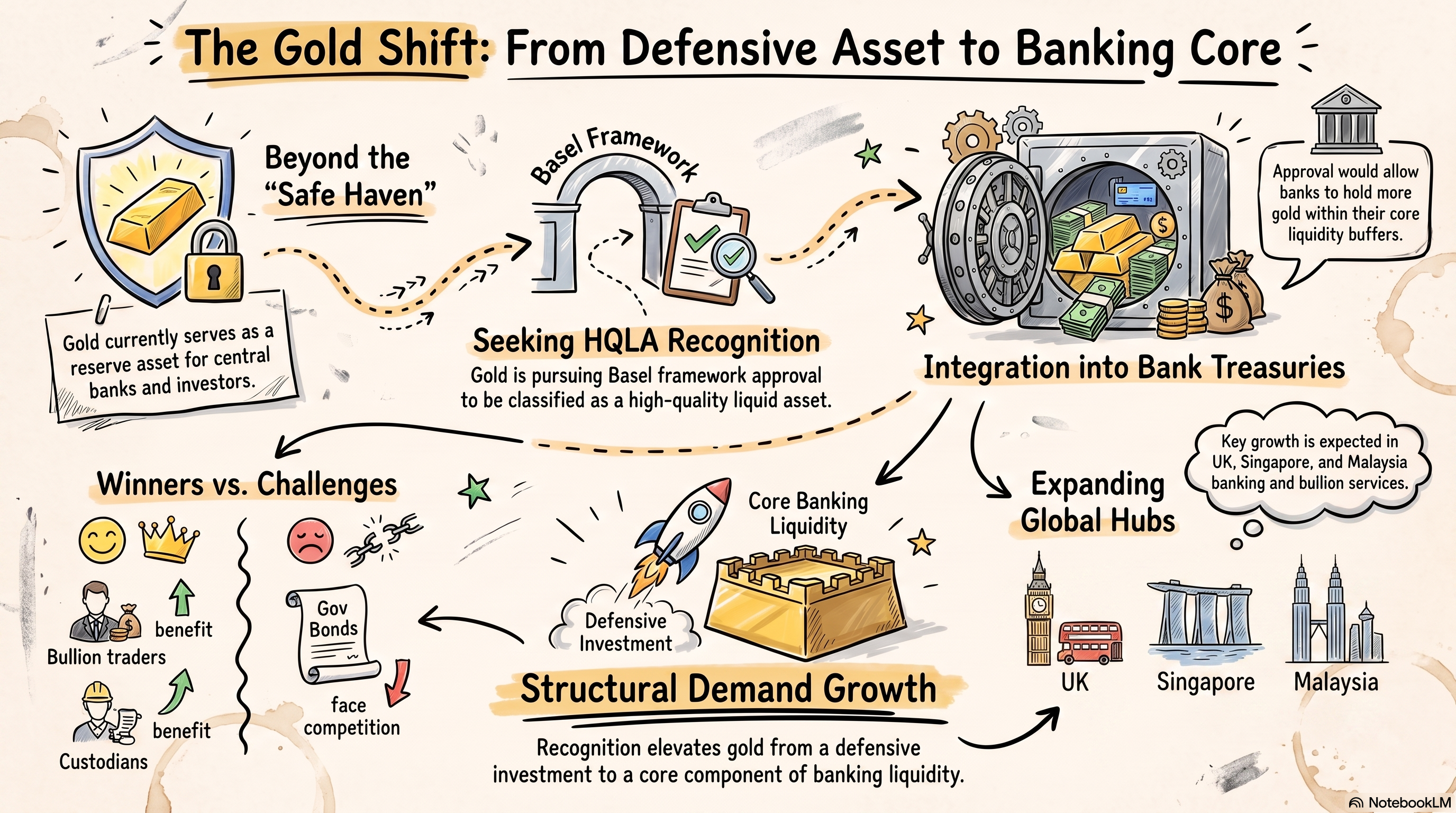
Institutions treating gold less as a trade
More as a strategic reserve asset, alongside bonds and alternatives
The interesting part isn’t today’s price.
It’s that a structurally new buyer entered the market.
And once insurance money reallocates, it rarely exits quickly.
Gold didn’t just rise —
its role in portfolios changed.