🟦 1. The Event (FACT)
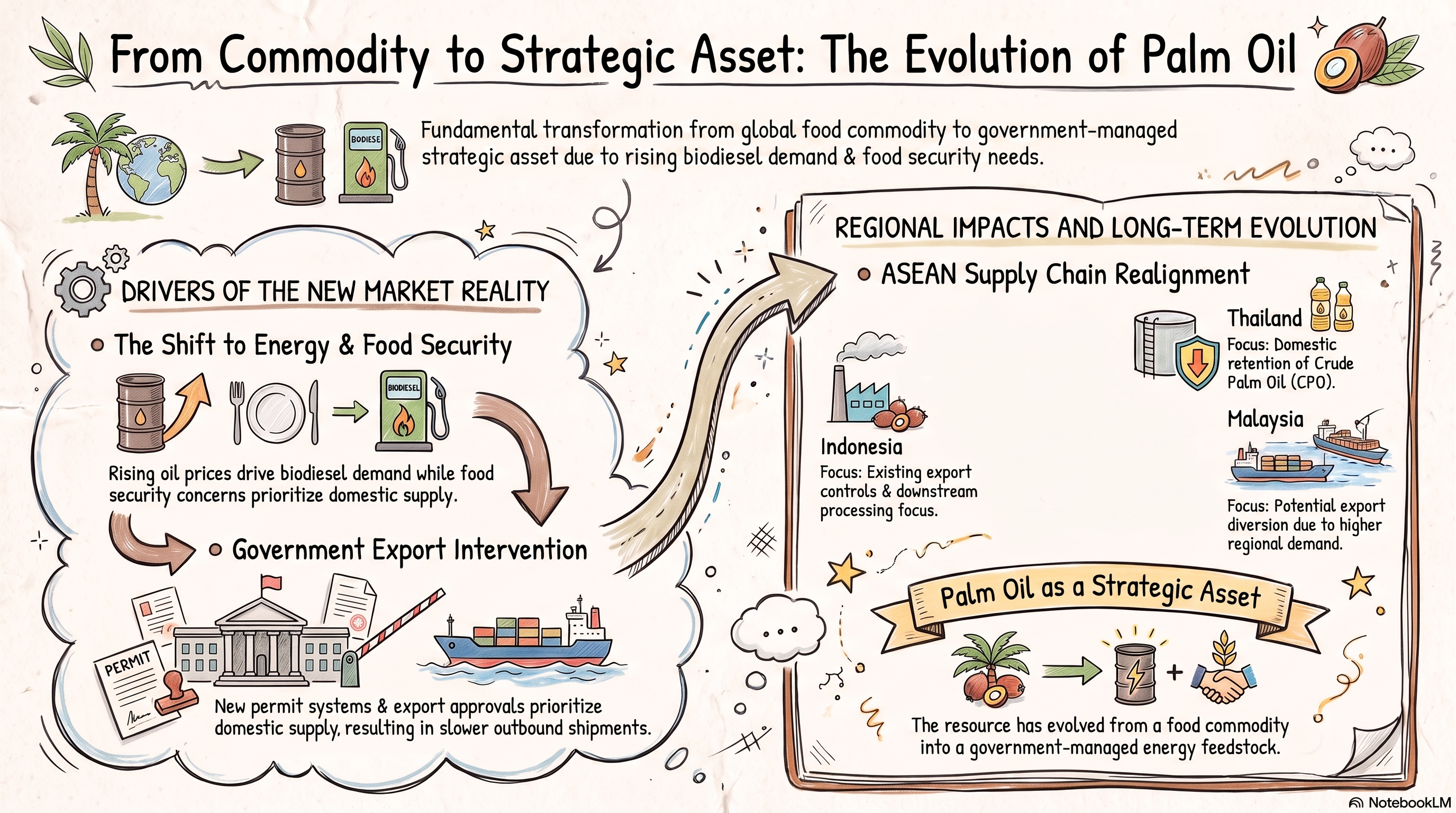
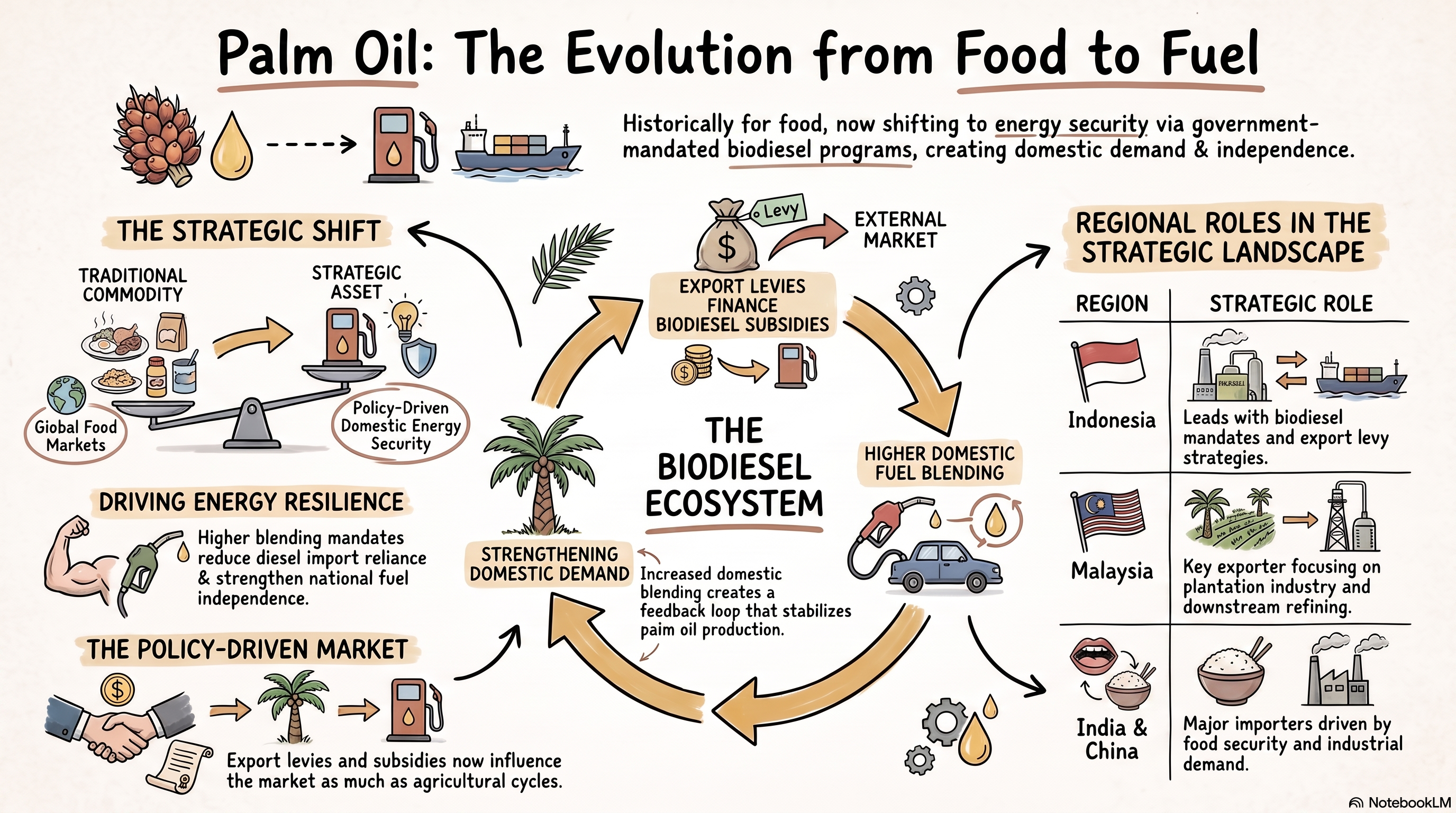
Indonesia indicated it will likely increase its palm oil export levy to fund the expansion of its biodiesel mandate from B40 to B50, citing declining funds in the country’s plantation fund. The announcement was made by an energy ministry official on Thursday.
🟨 2. Affected Channels (MECHANISM)
Trade / Logistics: Higher export levies may affect palm oil export flows and pricing
Cost: Exporters’ cost of selling crude palm oil and refined products abroad could rise
Demand: Domestic biodiesel blending demand may increase with B50 implementation
Financing: Plantation fund reserves and subsidy financing impacted
🟩 3. Malaysia Exposure (WHO)
Exposed sectors: Palm oil producers and exporters, biodiesel producers, downstream vegetable oil users
Company types: Malaysian plantation groups with Indonesia operations, biodiesel blending companies, CPO traders
Geographic relevance: Johor, Sabah, Sarawak plantations sourcing Indonesian CPO or competing in export markets
🟧 4. What to Watch (SIGNALS)
Changes in Indonesia’s palm oil export levy rates and official announcements
Volume shifts in Malaysian CPO exports vs Indonesian CPO imports
Adjustments in biodiesel blending and domestic consumption data
Pricing spreads between CPO and refined palm oil products in regional markets
Malaysian plantation company statements on investment or risk reassessment in Indonesia
1. Key Insight
Indonesia is preparing to raise palm oil export levies to fund its expanding biodiesel mandate, as the existing subsidy pool is running low.
This is not optional policy tinkering — it’s fiscal necessity.
Indonesia already runs B40 (40% palm-based biodiesel blend), the highest in the world
It plans to move to B50 later this year
Biodiesel subsidies are funded almost entirely by palm oil export levies
Biodiesel consumption keeps rising (+7.6% YoY in 2025)
The fund is running out of cash
So the government has only two levers:
Reduce biodiesel ambition (politically unlikely)
Increase export levies (what they’re signaling now)
2. How to Interpret This Action
This is NOT a short-term tweak
It signals structural prioritisation of domestic energy security over export competitiveness.
Indonesia is effectively saying:
“Palm oil exports will help pay for Indonesia’s fuel bill.”
That makes palm oil a strategic energy commodity, not just an agricultural export.
This is a forced policy move, not ideology
The numbers don’t lie:
B40 → B50 sharply increases subsidy requirements
Higher CPO prices alone are not enough
Levy hikes are the only scalable funding source
This suggests levy volatility is now a permanent feature, not a one-off risk.
3. Impact Analysis
🌴 Palm Oil Producers (Upstream)
Mixed impact
Negatives
Higher export levies = lower net realised prices
Margin pressure, especially for export-heavy producers
Refined product exporters may be hit harder if levy bands are widened
Positives
Strong domestic demand absorbs supply
B50 structurally tightens domestic palm oil balance
CPO prices may be supported despite levy hikes
➡️ Net: Revenue visibility improves, but margins get capped.
🛢️ Biodiesel Producers
Clear winners
Subsidy pool reinforced
Volume certainty increases with B50
Indonesia doubles down on biodiesel as a national policy
➡️ This confirms biodiesel is politically untouchable.
🌍 Global Palm Oil Market
Bullish medium-term, messy short-term
Higher domestic consumption = less export availability
Levy hikes may discourage exports at the margin
Could support global CPO prices, especially if supply growth remains weak
However:
Importers may face price volatility
Policy risk premium rises
🚛 Importing Countries (India, China, EU)
Net negative
Export levies push up landed costs
Less pricing transparency
Reinforces incentive to diversify edible oil sources
4. Why This Matters Beyond Palm Oil
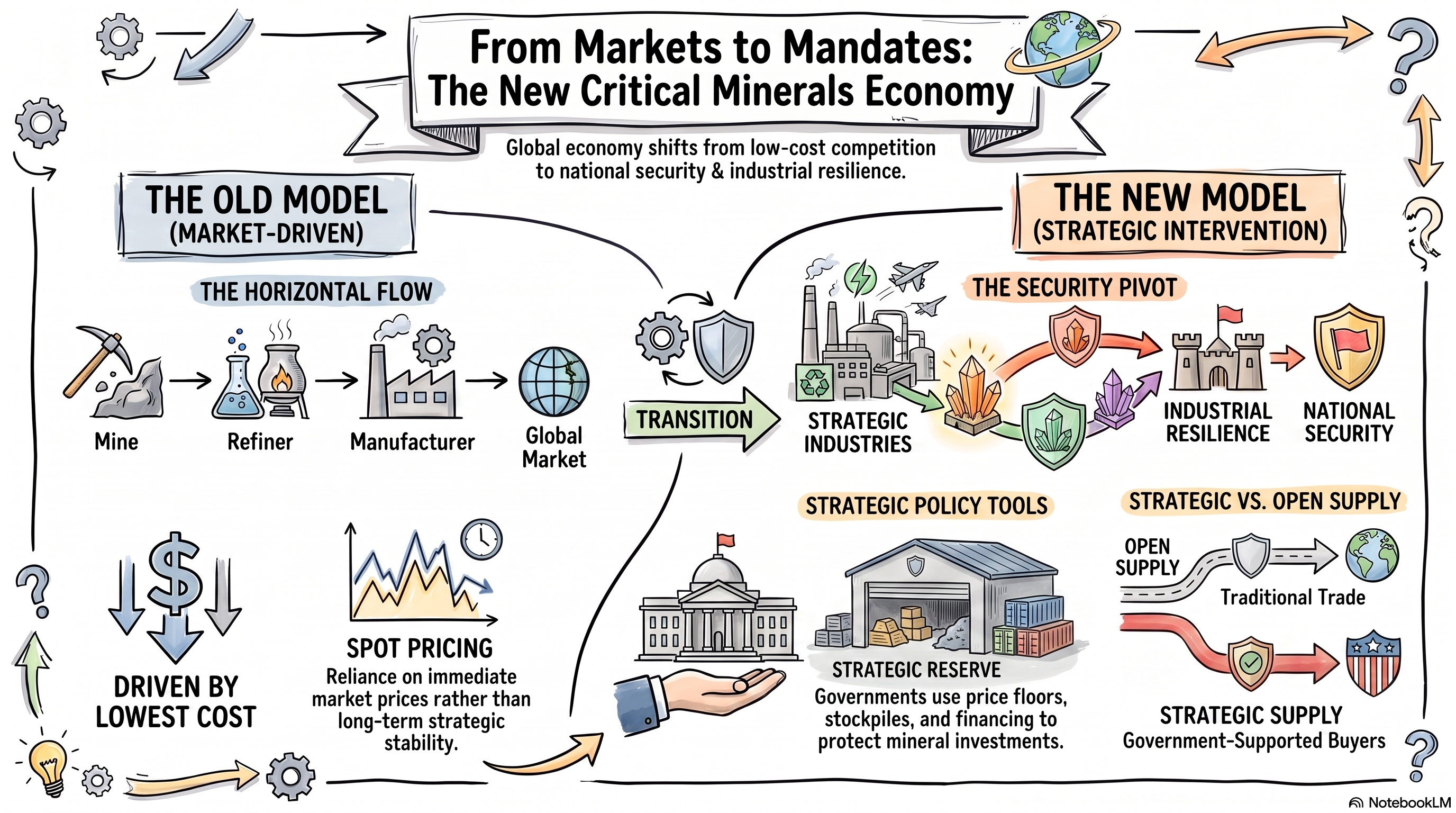
This is part of a broader Indonesia playbook:
Nickel export bans
Domestic processing mandates
Resource-backed industrial policy
Now: edible oil → fuel security
Indonesia is increasingly willing to:
sacrifice exporter margins to secure domestic strategic goals
Palm oil is now in the same category as nickel, coal, and gas.
5. What Investors Should Do
📈 Equity Investors (Plantation & Agri Stocks)
Do not assume levy hikes are temporary.
Model:
Higher levies as baseline
Strong domestic demand as structural support
Margin caps, not revenue collapse
Prefer:
Integrated players (plantation + downstream + biodiesel exposure)
Companies with strong domestic sales mix
Producers with cost advantages (young trees, scale)
Be cautious with:
Pure export-dependent refiners
Thin-margin downstream processors
🛢️ Biodiesel / Energy Investors
This is policy confirmation, not speculation.
B50 is increasingly likely
Subsidy sustainability is being actively protected
Indonesia will absorb more palm oil domestically
This strengthens the long-term investment case for:
Biodiesel infrastructure
Blending logistics
Domestic energy self-sufficiency themes
🌾 Commodity Traders
Expect:
Levy headline risk
Short-term price dislocations
Medium-term structural tightness
Trading implication:
Palm oil is becoming less elastic on exports
Policy headlines matter as much as weather and yields
🏛️ Policymakers / Corporates
This is a warning signal:
Indonesia is comfortable internalising commodity value
Export access is no longer guaranteed at “economic neutrality”
Resource nationalism is now energy-driven, not just industrial
6. Bottom Line
Indonesia is not “considering” a levy hike — it is telegraphing inevitability.
B50 is expensive
The subsidy fund is tight
Exporters will help pay
For investors, the mistake would be to:
❌ treat this as a short-term policy risk
The correct framing is:
✅ palm oil has crossed into strategic energy territory