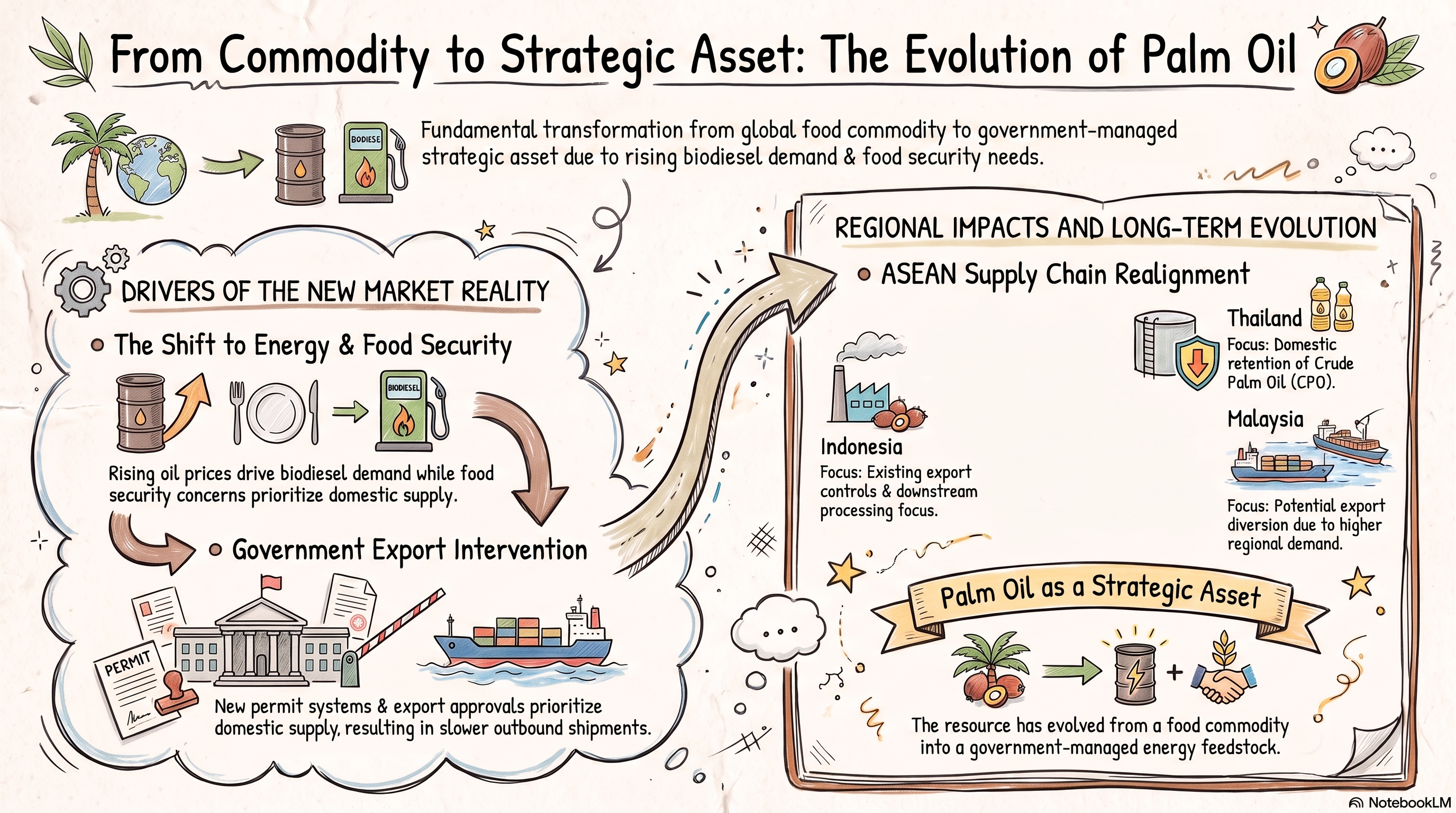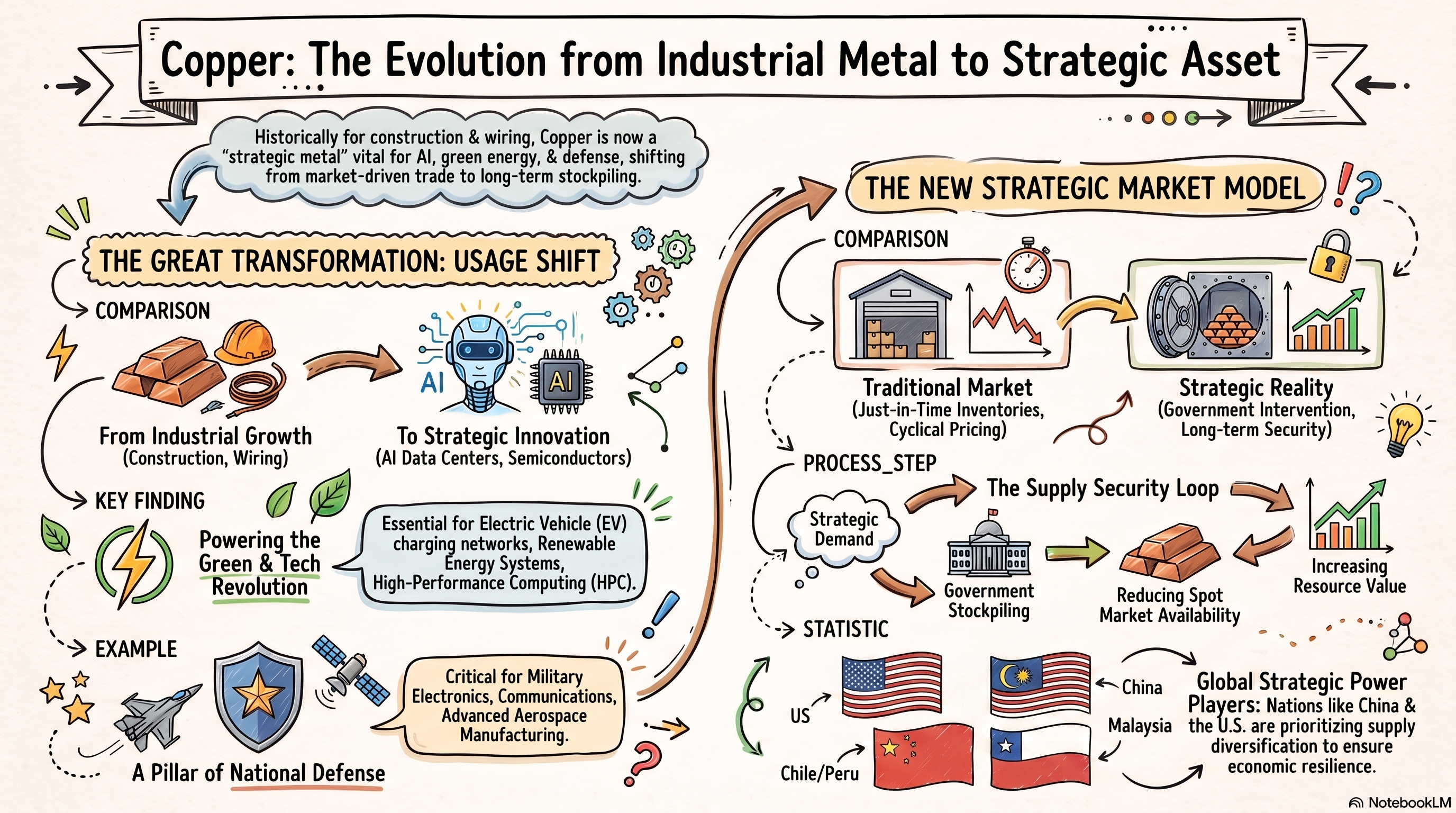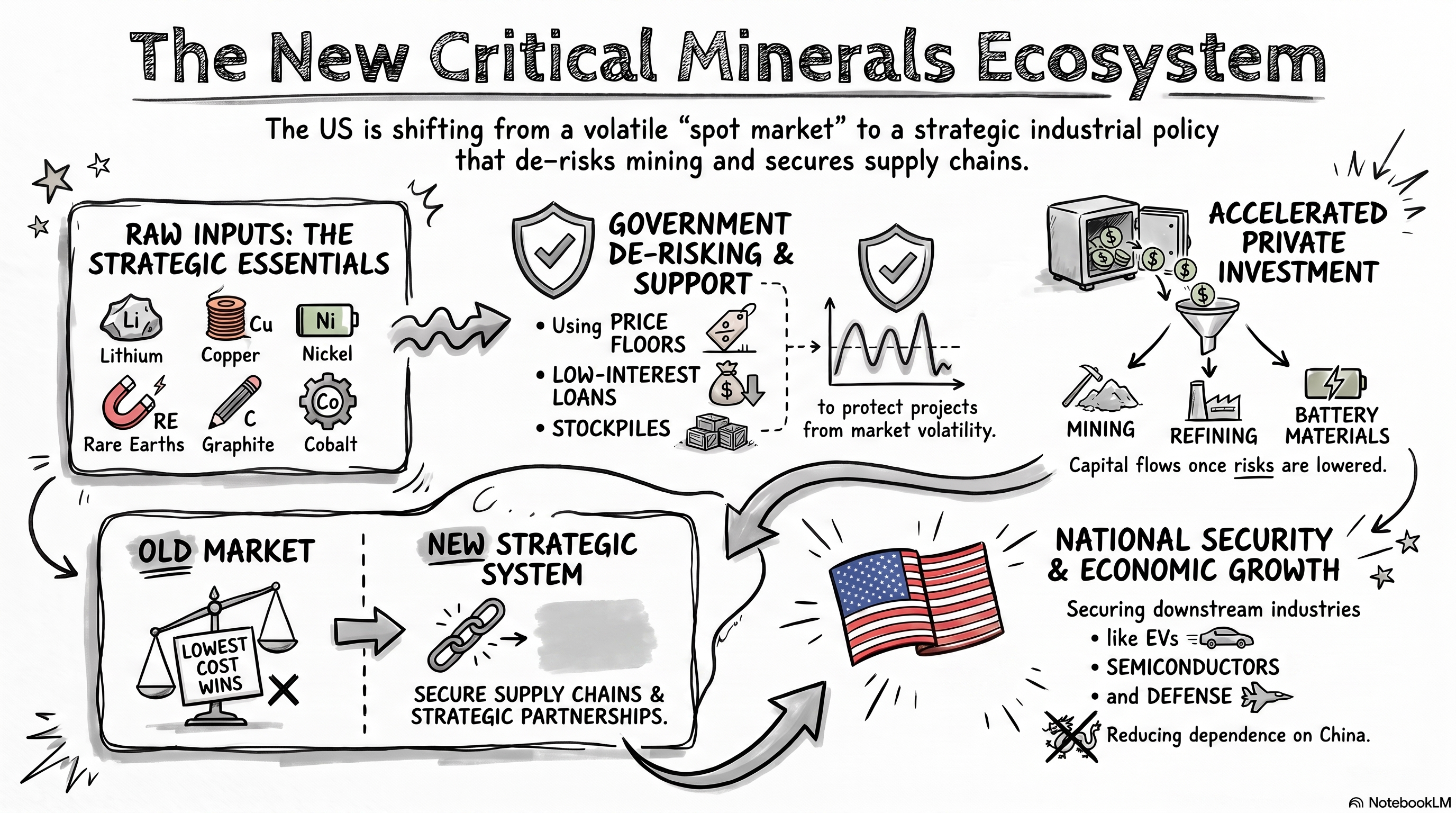
Critical minerals have become one of the world's most important strategic assets. Once viewed simply as industrial commodities, metals such as lithium, copper, nickel, cobalt, graphite, and rare earth elements are now central to national security, manufacturing competitiveness, clean energy, and geopolitical influence.
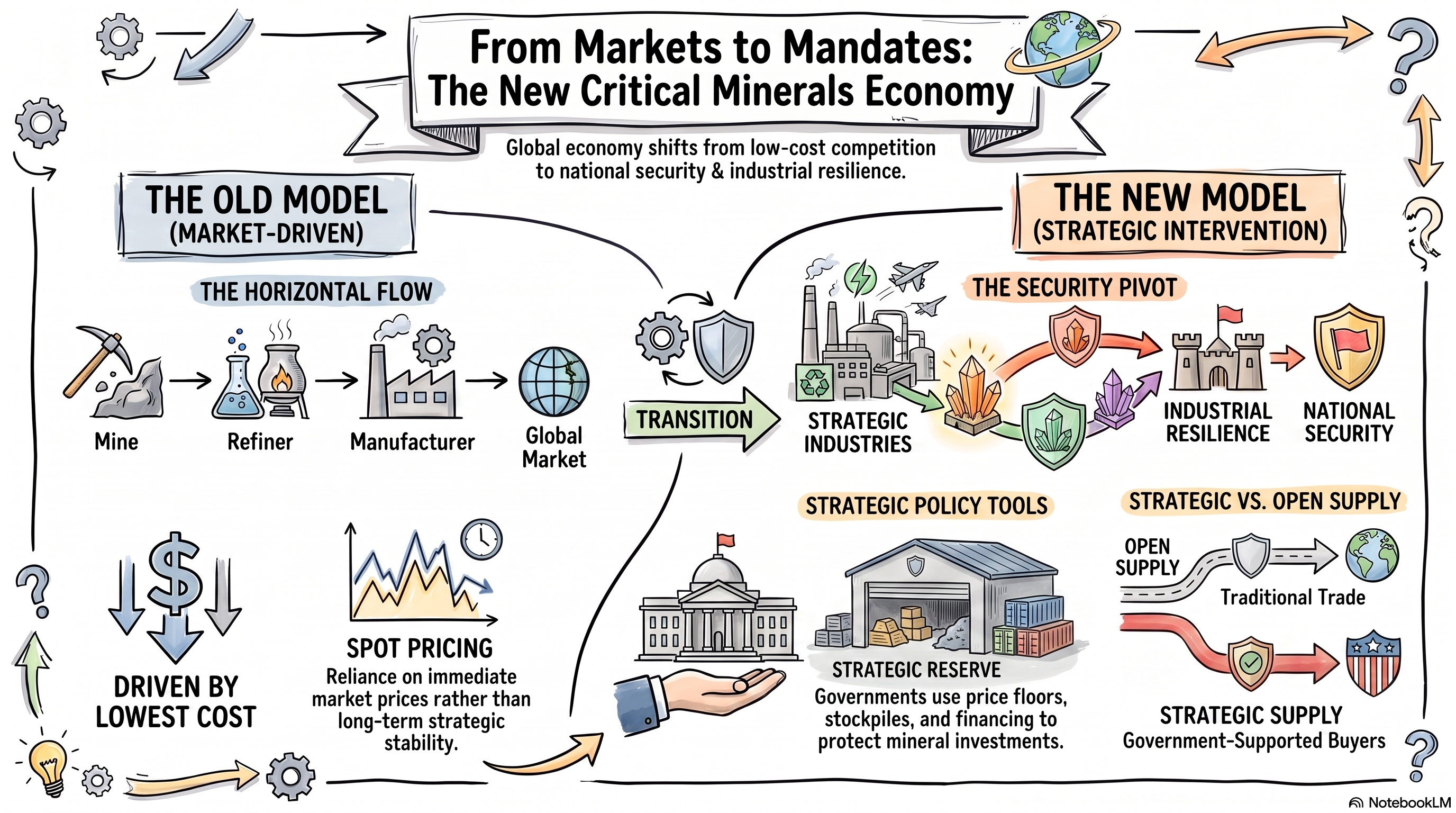
The latest US-led summit involving allied nations signals a major shift in how governments approach critical mineral supply chains. Instead of allowing markets alone to determine prices and investment decisions, governments are increasingly stepping in to reduce risk and secure long-term supply.
For investors, businesses, and policymakers, this marks the beginning of a new era where industrial policy and geopolitics are becoming just as important as commodity fundamentals.
Governments Are Using Price Floors to Build Critical Mineral Supply Chains
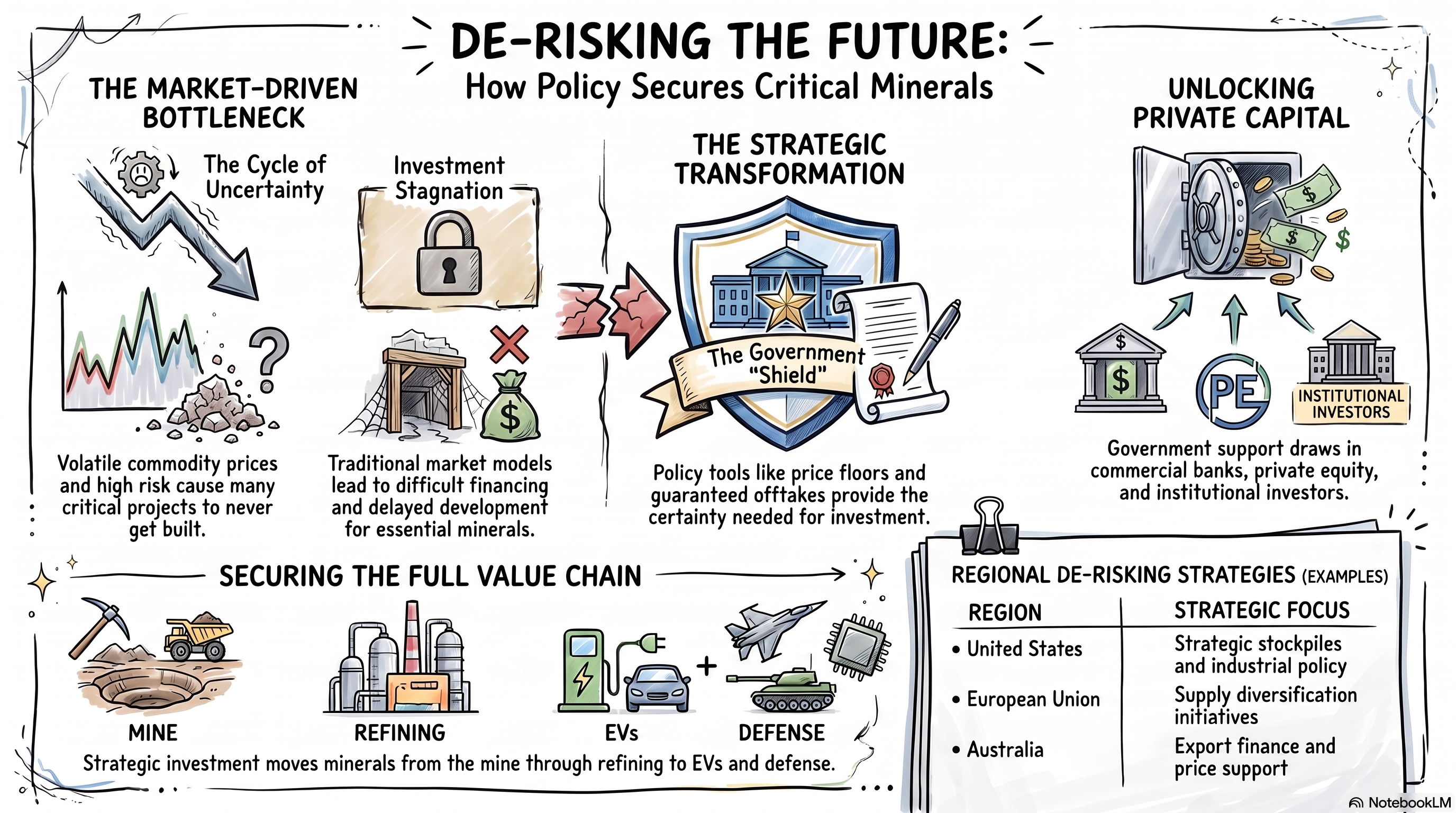
One of the most significant developments is the proposal to establish minimum price mechanisms, or price floors, for selected critical minerals.
Traditionally, commodity markets experience sharp price swings driven by changes in supply, demand, and speculative trading. While low prices benefit buyers in the short term, they often discourage investment in new mines, processing facilities, and refining capacity.
A government-backed price floor changes this equation.
If market prices fall below a predetermined level, government support helps ensure projects remain commercially viable. This provides mining companies, refiners, and downstream processors with greater certainty when committing billions of dollars to long-term investments.
Rather than focusing on achieving the cheapest possible supply, governments are increasingly prioritizing stable, resilient, and diversified supply chains.
Public Support Is Designed to Reduce Investment Risk, Not Replace Private Capital
The emerging strategy does not involve governments taking ownership of mining companies.
Instead, governments are acting as market stabilizers by offering financial tools that reduce investment risk, including:
Minimum price guarantees
Government-backed loans
Export credit financing
Strategic stockpile purchases
Long-term procurement commitments
This approach allows private investors, infrastructure funds, pension funds, and mining companies to continue leading project development while reducing exposure to commodity price volatility.
By lowering financial uncertainty, projects that were previously considered uneconomic may now become commercially attractive.
For institutional investors, this creates opportunities to finance infrastructure, mineral processing, logistics, storage, and related industrial assets with more predictable long-term returns.
Critical Minerals Are Becoming a Geopolitical Competition Between Economic Blocs
The latest summit also reflects a broader geopolitical trend.
The United States, European Union, Japan, and other strategic partners are coordinating efforts to diversify supply chains away from excessive dependence on a single country.
China has characterized this strategy as the formation of a smaller economic bloc, highlighting how critical minerals have become part of international strategic competition rather than simply global trade.
Governments increasingly view supply security as essential for industries including:
Electric vehicles
Battery manufacturing
Semiconductor production
Defence technologies
Renewable energy infrastructure
Advanced manufacturing
As a result, resilience and supply security are becoming more valuable than simply purchasing the lowest-cost materials.
Which Companies and Industries Could Benefit?
The shift toward government-supported critical mineral strategies creates opportunities across multiple industries.
Mining companies operating in politically aligned countries such as Australia, Canada, and the United States may benefit from improved financing conditions and stronger long-term demand.
Rare earth processing companies and downstream refiners could also gain as governments encourage domestic value-added manufacturing instead of relying solely on imported refined materials.
Infrastructure investors may find new opportunities beyond mining itself, including:
Industrial land development
Electricity generation and transmission
Warehousing and strategic storage
Rail infrastructure
Port expansion
Shipping and logistics
Processing and refining facilities
Export credit agencies are also becoming increasingly important by helping finance strategic industrial projects that strengthen domestic supply chains.
Who Could Face Greater Challenges?
While the strategy creates opportunities, it also introduces new competitive pressures.
China's influence over global pricing mechanisms could gradually weaken if more supply is developed outside its ecosystem.
High-cost mining operations without access to government support may struggle to compete against projects benefiting from financing incentives and price guarantees.
Commodity traders and short-term speculators may also experience reduced opportunities if government intervention leads to more stable pricing and lower market volatility.
Instead of benefiting from dramatic price swings, markets could become increasingly shaped by long-term industrial planning.
Investor Outlook: Why Critical Minerals Deserve Closer Attention
The transformation of critical minerals from commodities into strategic national assets represents one of the most important structural changes in global markets.
Government-backed price support, coordinated industrial policy, and international partnerships suggest future investment decisions will increasingly be influenced by geopolitical alignment alongside traditional market fundamentals.
Investors should closely monitor miners, refiners, and processing companies located in countries participating in these strategic supply chain initiatives. Early-stage projects that were previously delayed due to financing uncertainty may become increasingly attractive as government support reduces investment risk.
More broadly, opportunities extend well beyond mining. Companies involved in energy infrastructure, logistics, industrial real estate, storage, engineering, and supply chain development may also benefit as governments build resilient critical mineral ecosystems.
The emerging framework signals a long-term shift in global industrial strategy. In the years ahead, critical minerals are likely to be valued not only for their commercial importance but also for their role in economic security, technological leadership, and geopolitical resilience.