The Traditional Offshore Drilling Model Is Beginning to Change
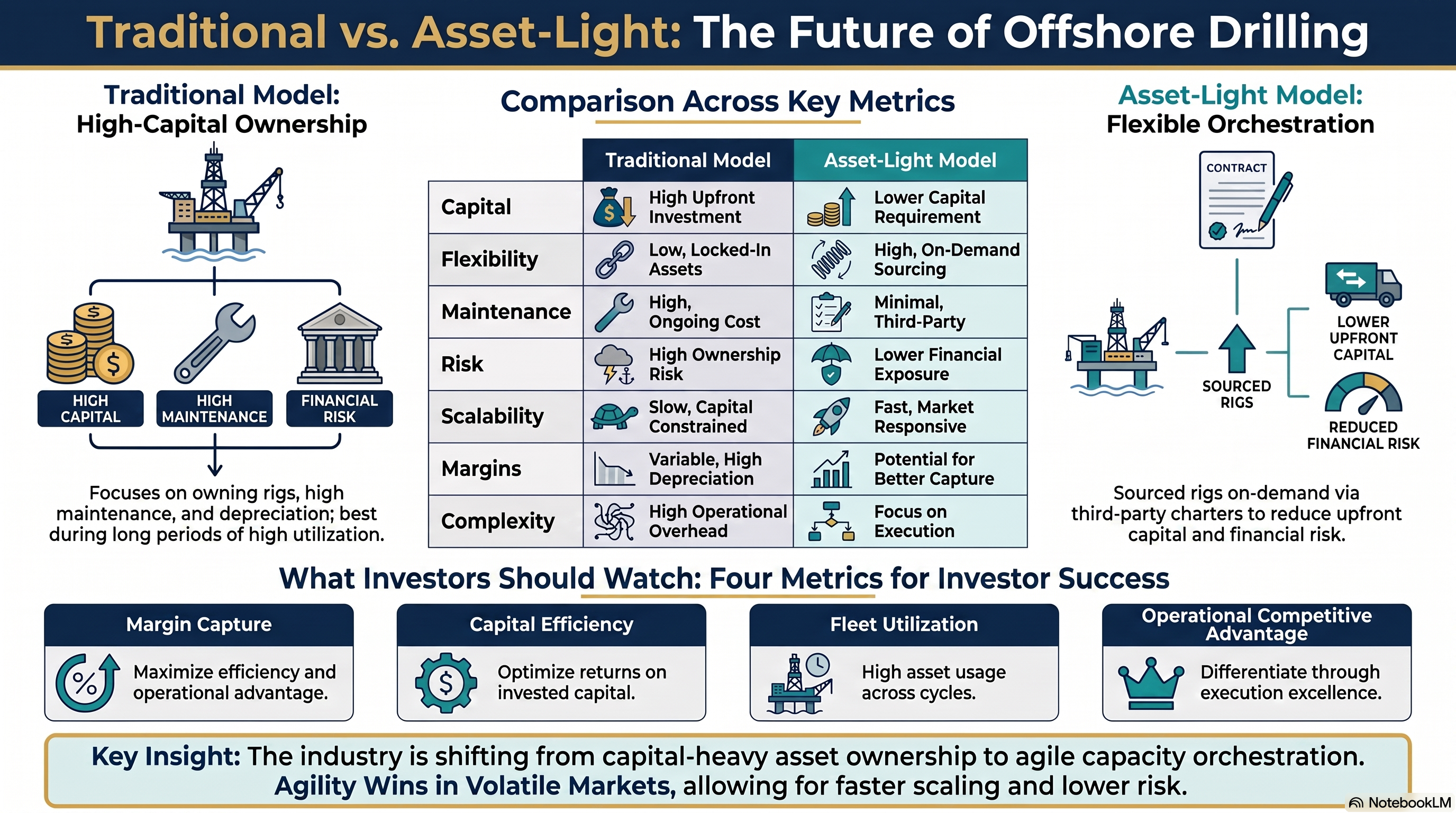
For decades, offshore drilling contractors operated under a straightforward business model: own drilling rigs, lease them to oil and gas producers, and generate revenue from drilling services. Ownership was the industry's defining competitive advantage. Companies invested billions of dollars in building and maintaining offshore rigs, while investors largely evaluated them based on fleet size, rig quality and utilisation rates.
However, a recent announcement by Velesto Energy Berhad suggests this long-standing model may be evolving. Instead of deploying one of its own jack-up rigs, the company will execute an offshore drilling campaign using a third-party jack-up rig under a charter arrangement.
At first glance, this appears to be a routine operational decision. In reality, it may signal a broader strategic shift—from being primarily a rig owner to becoming a flexible offshore drilling execution platform that sources capacity when needed while focusing on engineering expertise, project management and operational delivery.
If this approach becomes more common, it could change how investors evaluate offshore drilling companies not only in Malaysia but across the region.
Velesto's Latest Contract Signals an Asset-Light Strategy
The contract awarded by Hibiscus Petroleum contains several characteristics that distinguish it from a traditional drilling award.
The campaign includes:
Eight plug-and-abandonment (P&A) wells
One exploration well
An option to drill another seven wells
Operations scheduled to begin in May 2026
Execution using a third-party jack-up drilling rig under a charter arrangement
The most notable aspect is Velesto's description of the project as an asset-light arrangement.
Historically, offshore drilling contractors generated revenue by deploying rigs they owned. Every contract increased utilisation of existing assets and helped recover the enormous capital invested in building and maintaining those rigs.
This announcement separates two functions that have traditionally gone together:
Delivering offshore drilling services
Owning the drilling asset
Velesto remains responsible for executing the drilling programme, but it does not need to own the rig performing the work. That distinction changes how capital is deployed, how operational risks are managed and potentially how future growth can be achieved.
It also helps explain why investors responded positively. Rather than viewing this as simply another drilling award, the market may be recognising the emergence of a more capital-efficient operating model.
Why an Asset-Light Offshore Drilling Model Matters
To understand why this matters, it is important to appreciate the economics of offshore drilling assets.
A modern premium jack-up rig typically costs between US$150 million and US$250 million to build. Even older rigs require continuous maintenance, regulatory inspections, specialised crews and periodic upgrades throughout their operating lives.
Owning drilling rigs creates several financial challenges:
Significant capital expenditure
High depreciation expenses
Larger financing requirements
Greater exposure to utilisation cycles
Ongoing maintenance costs regardless of whether the rig is working
When oil prices weaken or exploration activity slows, these fixed costs can place substantial pressure on profitability.
An asset-light strategy seeks to reduce these burdens by chartering rigs from third-party owners only when demand exists. Rather than committing capital to additional rigs that may sit idle during industry downturns, contractors gain the flexibility to expand or reduce capacity according to market conditions.
The capital that would otherwise be tied up in drilling assets can potentially be redirected towards:
Technology investments
Operational improvements
Strengthening the balance sheet
Shareholder returns
New business opportunities
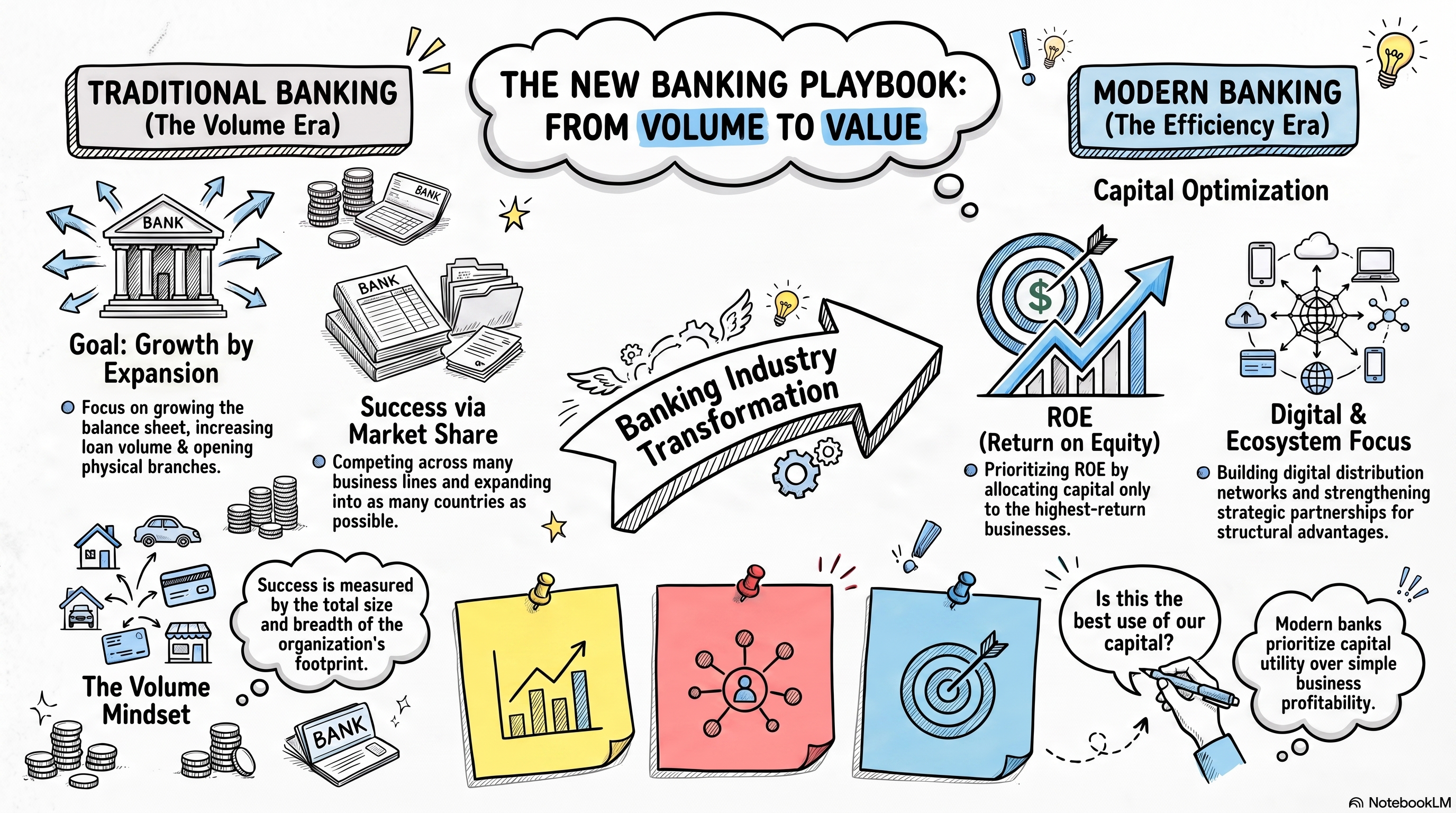
For investors, this represents an important shift. Instead of valuing companies primarily based on physical assets, greater emphasis may be placed on execution capability, engineering expertise and operational excellence.
Offshore Drilling Is Following a Global Industry Trend
Velesto's strategy is not entirely unprecedented. Following the collapse in oil prices in 2014, many offshore drilling companies reassessed whether owning every drilling rig was the most efficient way to compete.
Since then, the industry has gradually adopted more flexible capital structures through:
Long-term charter arrangements
Sale-and-leaseback transactions
Lease-financed drilling fleets
Strategic partnerships with rig owners
Integrated project execution models
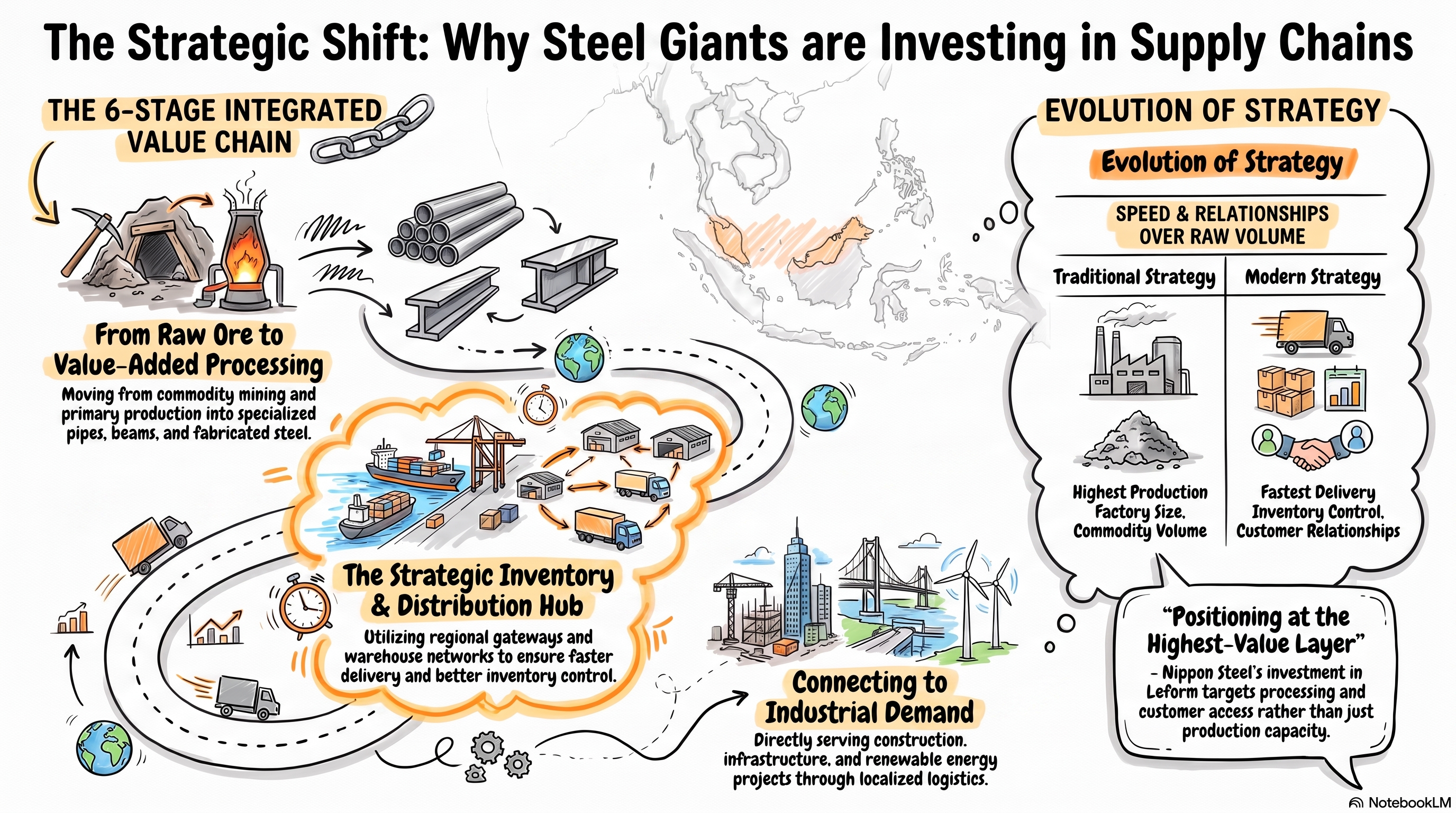
Meanwhile, major oilfield service companies have long demonstrated that highly profitable service businesses can exist without owning drilling rigs. Their competitive advantage comes from engineering capability, technology integration, operational efficiency and project management rather than asset ownership.
This reflects a broader shift across the offshore energy industry. Increasingly, value creation is moving away from simply owning expensive equipment and towards coordinating complex offshore operations efficiently.
Velesto's latest contract appears consistent with this global trend, suggesting the company may be prioritising operational flexibility over fleet expansion.
Three Business Models Could Explain Velesto's Strategy
Although Velesto has described the contract as asset-light, several possible business models could sit behind this approach.
Project Execution and Coordination Model
Under this model, Velesto sources drilling rigs from external owners while focusing on engineering, drilling operations and project execution. Revenue is generated primarily from delivering drilling services rather than from owning drilling assets.
This approach requires relatively little capital investment but typically produces lower margins per project. Its advantage lies in scalability and flexibility.
Hybrid Fleet Optimisation Model
This appears to be the most likely scenario.
Velesto continues operating its existing fleet while chartering additional rigs whenever demand exceeds available capacity. Instead of purchasing new rigs to meet temporary increases in demand, it supplements its fleet through external charter arrangements.
This improves flexibility, maintains high utilisation of owned assets and reduces unnecessary capital expenditure during cyclical market conditions.
Balance Sheet Substitution Model
A third possibility deserves closer examination.
Although asset ownership decreases, long-term charter agreements can create financial obligations that economically resemble ownership. While reported capital expenditure may decline, substantial lease commitments could remain.
From an investor's perspective, the key question is whether risk has genuinely been reduced or merely shifted from owned assets to contractual obligations.
What Investors Should Watch Going Forward
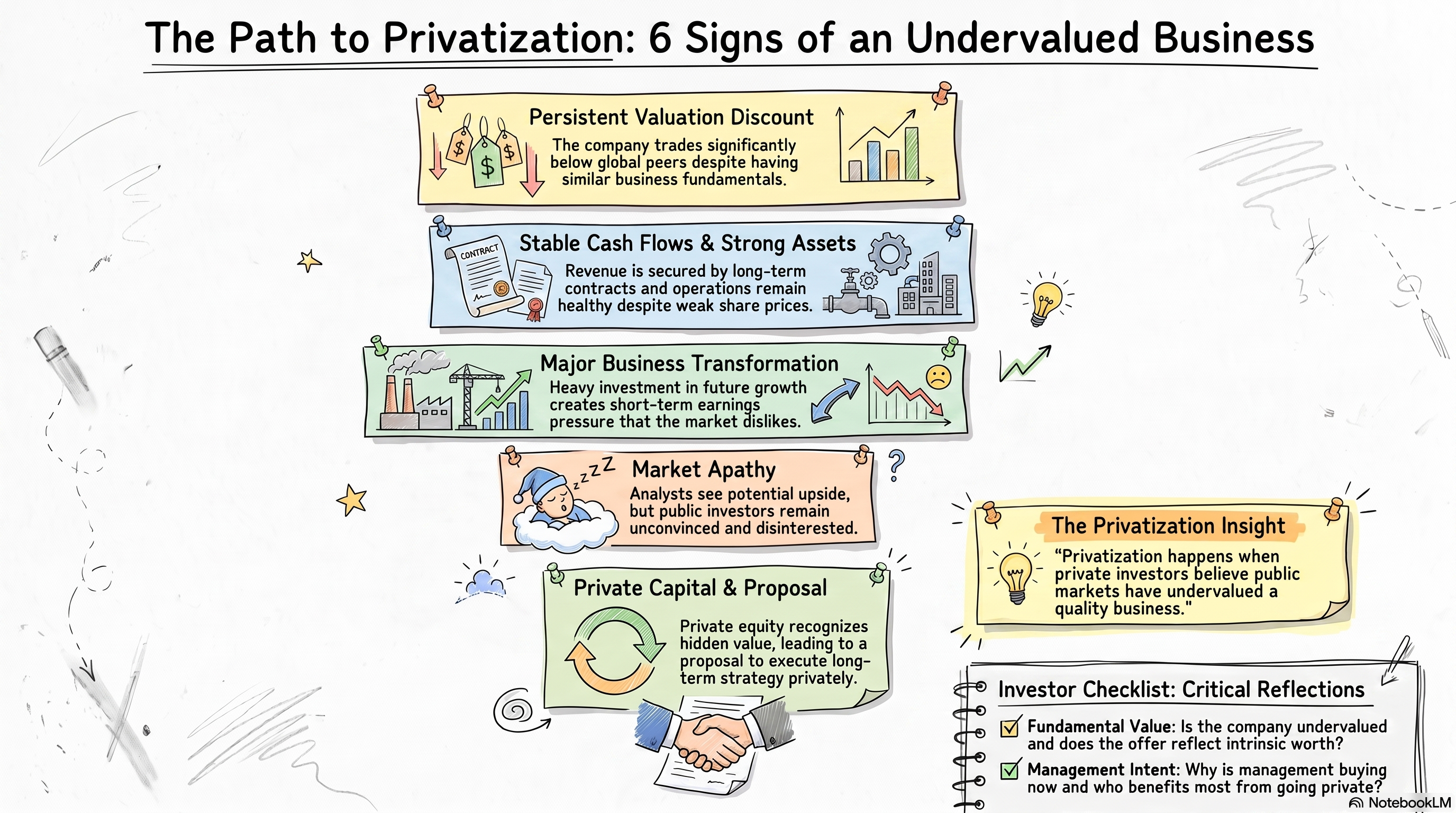
While the contract is strategically interesting, it is too early to conclude that an asset-light approach will automatically generate superior shareholder returns.
Several important questions remain.
First, who ultimately captures the industry's profits? If third-party rig owners retain most of the economic value while contractors compete mainly on execution, contractors may experience stronger revenue growth but weaker profit margins.
Second, has operational risk actually been reduced? Owning fewer rigs lowers capital intensity, but contractors remain responsible for delivering projects safely, on schedule and within contractual obligations. Long-term charter commitments may still expose companies to utilisation risks if market conditions weaken.
Third, can the model scale efficiently? The optional seven additional wells included in the contract provide an early test. If Velesto can quickly source additional drilling capacity without committing significant capital, it gains a flexibility advantage that traditional fleet ownership models struggle to match.
Finally, investors should consider a broader structural question: Will offshore drilling companies eventually be valued more for execution capability than asset ownership?
If the industry increasingly revolves around coordinating rigs, engineering expertise, personnel and project management rather than owning every drilling asset, competitive advantages may shift towards companies with stronger operational execution, customer relationships and integrated service capabilities.
Instead of saying, "We own drilling rigs and lease them to operators," future drilling contractors may increasingly say, "We assemble the best combination of rigs, people and expertise to deliver offshore drilling programmes efficiently."
That is a fundamentally different business model.
For Velesto Energy, this contract may represent the first visible step towards that transformation. Whether it becomes a lasting competitive advantage will ultimately depend on one critical factor: the company's ability to remain capital-efficient while capturing attractive margins.
If successful, Velesto could evolve into a more resilient offshore drilling platform capable of growing without proportionally increasing capital expenditure. If not, it risks becoming a lower-margin execution contractor while rig owners continue capturing a larger share of the industry's economic value.
This is why the contract represents more than another drilling award—it may offer investors an early glimpse into how the next generation of offshore drilling companies intends to compete.